Why expect holiday traditions to stay the same, even as life continually changes?
Throughout life, people adjust routines, responsibilities and expectations to accommodate new circumstances – while being reluctant to make those same adjustments to holiday traditions.

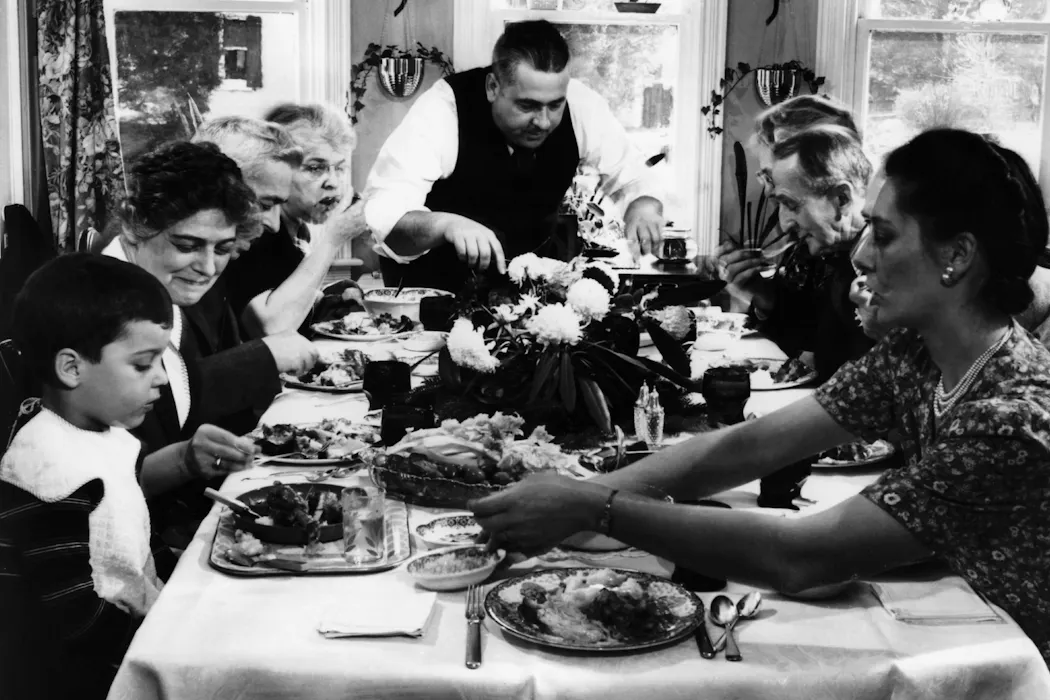
There’s something about the holiday season that makes people notice the passage of time. As you unpack treasured decorations, prepare family recipes and listen to familiar holiday songs, you’re reminded not only of celebrations from years past but also of different times in your life.
With each passing year, children grow older, families welcome new members, relationships change, and some of those you once celebrated with are no longer here. But people often approach the holidays hoping to experience them just as they once did.
As someone who studies life transitions, I’m particularly interested in why people expect traditional holiday celebrations to remain the same when so much else in life has changed. I suggest thinking of holiday memories not as a blueprint for recreating the past but as a way to understand what makes these times meaningful to you, and how you might carry that meaning into the present.
Traditions can be connections
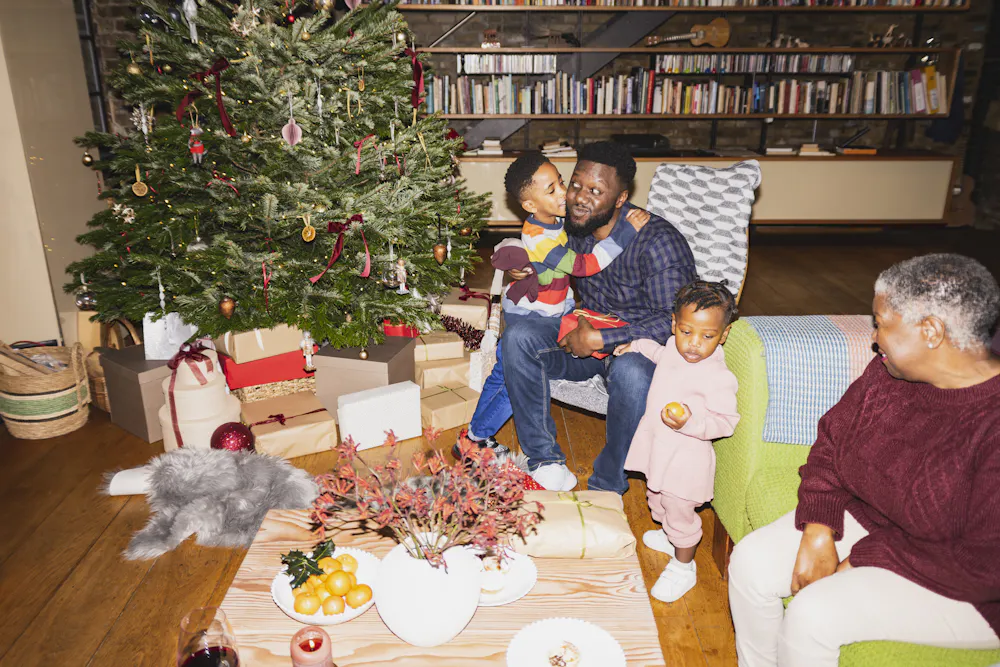
Research on family rituals suggests that traditions contribute to a sense of identity and belonging by connecting you to the people, experiences and shared values that have shaped your life. In fact, research focused on holiday rituals has found that participating in traditions such as preparing grandmother’s chocolate fudge or watching favorite seasonal movies is associated with greater feelings of closeness and enjoyment during celebrations.
You may not recognize how tightly some holiday traditions are tied to certain stages of your life. Parents who once looked forward to Christmas morning with young children may now find themselves coordinating celebrations around the schedules of adult children and their families and in-laws. Someone who has hosted holiday gatherings for decades may find themselves adjusting to being a guest rather than orchestrating the festivities.
Although these kinds of changes are a natural part of life, they can bring a mix of emotions. You can welcome new experiences while still missing aspects of an earlier time.
During these periods of transition, the memories associated with holiday traditions may become especially meaningful, offering a connection to the past as you adjust to the present.
How memories help you move forward
If you find yourself missing the holidays of years past, you may be longing not for the celebration itself but for a particular era. Memories of former times can bring comfort, but they can also evoke feelings of grief, loneliness or sadness, particularly if you’re navigating changes you didn’t anticipate or would not have chosen, such as illness, injury, unemployment or relationship breakdown.
People may be more inclined to experience nostalgia, a sentimental longing for the past, during periods of transition, when familiar aspects of life are changing.
While nostalgia is sometimes viewed negatively, as dwelling on past experiences, research suggests it can be a valuable resource when navigating life changes, especially for younger generations.
For instance, nostalgia can actually strengthen social connections and contribute to a sense of meaning. Recalling cherished memories can remind you you’re part of a broader life story, which can enhance feelings of connection, personal value and purpose.
Nostalgia can also help people make sense of the different chapters of life, allowing them to maintain a sense of who they are even as circumstances change.
Memories, then, can be more than reminders of what once was. They can help you recognize what you value and inform how you experience the present. While nostalgia may not ease the pain associated with challenges such as major health changes, evolving caregiving responsibilities or military deployment, it can serve as a bridge between the past and the present.
When life changes but expectations do not
Throughout life, people adjust routines, responsibilities and expectations to accommodate new circumstances. Yet when it comes to the holidays, they may be reluctant to make those same adjustments. Is it still Thanksgiving if the table doesn’t feature the cranberry sauce made with your family’s traditional recipe? Can it feel like Christmas if there’s no tree decorated with your family’s sentimental ornaments?
This reluctance to let holiday observances evolve may be influenced, in part, by how people remember previous celebrations. Negative emotions associated with past experiences tend to fade more quickly than positive ones. You may remember the warmth of gathering around a holiday table but less readily recall the stress or challenges that accompanied it.
When expectations no longer reflect the realities of your life, you may feel disappointed or place pressure on yourself or others to live up to those old memories. Even a cherished tradition can become a source of stress when you feel obligated to maintain it in the same way year after year.

Finding meaning in the holidays today
As you navigate life’s transitions, it may be helpful to reflect on what you cherish most about your holiday traditions. Is it the way you have always celebrated? Or is it the feelings of comfort and belonging that you associate with those celebrations?
Research suggests that reflecting on the past can inspire people to seek meaningful connections and experiences in the present.
Of course, adjusting to change is not always easy, and for some, the holidays can be particularly hard. Adapting does not mean abandoning cherished traditions, directly replacing what has been lost, or feeling pressured to create new memories. It may simply mean accepting that the holidays will feel different and allowing yourself the time and space to adjust.
In the desire to recreate what once was, many people may overlook the moments that could become cherished memories in the years ahead. Savor the memories of holidays past without expecting them to define how you experience the holidays today. Celebrations don’t need to remain the same to remain meaningful.
Lee Ann Rawlins Williams does not work for, consult, own shares in or receive funding from any company or organization that would benefit from this article, and has disclosed no relevant affiliations beyond their academic appointment.
Read These Next
Ancient Cahokia was transformed amid droughts and flooding – climate change is reshaping modern comm
It’s not always like you see in the movies. Sometimes it’s slow and gradual – but inexorable.
Georgians mark 2 years of pro-EU demonstrations – defying campaign to wear protesters down
So far, the government has not crushed the protest movement. But in critics’ eyes, it has used psychological…
Columbia is keeping its gates closed, raising the question of what universities owe their neighborho
Conflicts between universities and their surrounding neighborhoods are far from new.