Infusing asphalt with plastic could help roads last longer and resist cracking under heat
A research team has paved plastic-infused roads in Texas and Bangladesh, with promising results.

Globally, more than 400 million tons of plastic are produced each year, and less than 10% is recycled. Much of the rest ends up burned, buried or drifting through waterways, a problem that’s only getting worse.
As a civil engineer, I started asking a simple question: Instead of throwing used plastic away, what if we could build something useful with it?
That question led to a technology that mixes small amounts of recycled plastic with asphalt – the black, sticky material used to make roads and parking lots. The result is a stronger road that lasts longer and keeps some used plastic out of the environment.
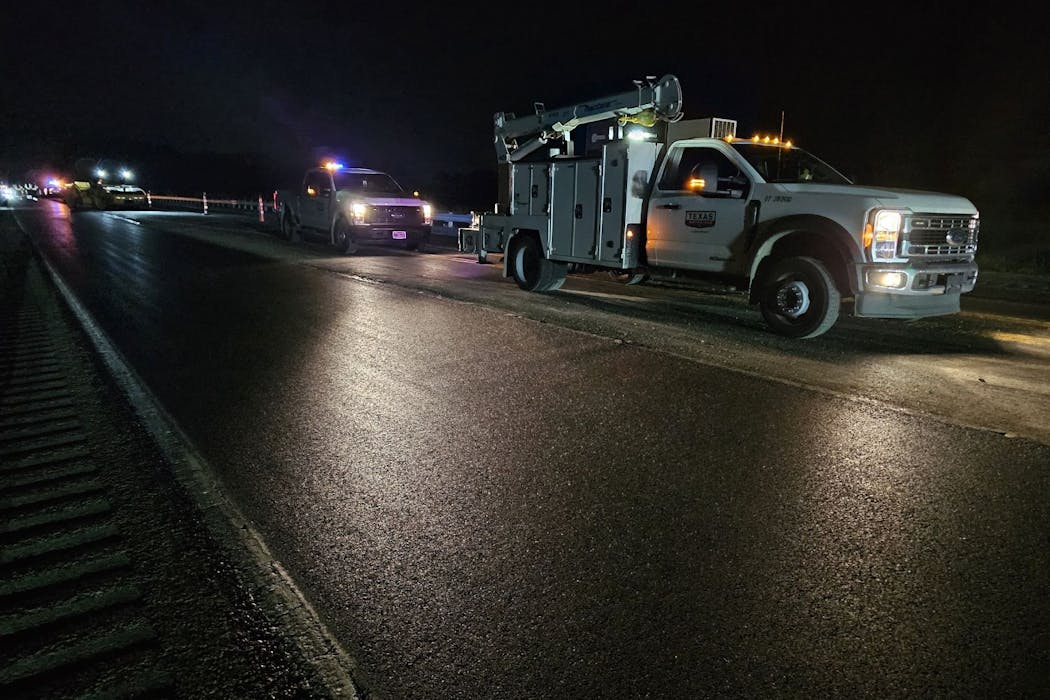
You can see these roads on my university’s campus at the University of Texas at Arlington, where my team has paved test sections in parking lots. Perhaps more importantly for testing this technology at scale, we have constructed a one-mile section of plastic-infused road in Rockwall, Texas, a city near Dallas. We’ve gotten interest from more cities in and outside Texas as well.
My goal is to take one problem – plastic pollution – and use it to fix another: deteriorating roads.
Where the idea came from
I grew up in a low-income neighborhood in Bangladesh, near a large dump site. As a child, I noticed that people living closest to the piles of waste were often sick, while those farther away were healthier.
At the time, I didn’t know the science behind it – I just saw neighbors having to choose between buying medicine and buying dinner. That memory left a long-lasting impact on me.
Years later, when I became an engineer, I learned that poor waste management doesn’t just harm the environment – it harms people. That realization became the foundation of my work.
How plastic roads work
Traditional asphalt is made from a mix of stones, sand and a petroleum-based binder called bitumen, which holds everything together. In my research team’s process, we replace a small part of that bitumen – about 8% to 10% – with melted plastic from everyday items, such single-use plastic bags and plastic bottles. For our plastic road construction project near Dallas, we used 4.5 tons of plastic waste for nearly a mile of a one-lane road.
We first clean the plastic, then shred it into small flakes. Finally, we mix it into the asphalt at high temperatures. These steps ensure that it melts completely and bonds tightly, leaving no loose plastic behind.
This process is like adding rebar to concrete: The plastic adds flexibility and strength. Roads with this mix can better handle extreme temperatures and heavy traffic. In hot places, that means fewer cracks and potholes.
During an extreme heat wave in April 2024, plastic road constructed in Dhaka, Bangladesh, showed no visible signs of distress or cracks, whereas many roads in Bangladesh had visible cracks and distress during the same period.

It also reduces the demand for new petroleum-based materials, since we’re reusing recycled plastic that already exists. Plastic road replaces bitumen, an already petroleum-based ingredient in the road, with waste.
The plastic waste problem
Plastic waste has grown dramatically over the past several decades. In the U.S., plastic waste has increased every year since the 1960s, with the steepest rise between 1980 and 2000.
In 2018 alone, landfills received nearly 27 million tons of plastic, making up 18.5% of all municipal solid waste nationwide. That’s a staggering amount of material sitting unused.
Plastic-infused asphalt can also save money. Because it lasts longer and resists cracking, cities may spend less on repairs and maintenance. In Rockwall, for example, early estimates suggest these roads could extend the pavement’s life by several years.

Under extreme heat, bitumen can melt. During a performance evaluation of a plastic road test section in Bangladesh, we found that adding plastic to the mix increases the road’s heat resistance. These results are especially helpful for states like Texas that deal with extreme heat over the summer. For our sites in UTA’s parking lot and in Rockwall, the pavement has so far stayed intact on days when temperatures surpassed 100 degrees Fahrenheit.
Overcoming challenges
But there are still challenges. Scaling up production requires a consistent supply of clean, sorted plastic, which not all cities have the infrastructure to provide. Some types of plastic can’t be safely melted or may release harmful fumes if not processed correctly. We’re studying these issues closely to make sure the process is safe.
There are also questions about what happens when plastic roads reach the end of their life. Could they release microplastics – tiny plastic fragments – as they wear down? Early research suggests the risk is low because the plastic is bound within the asphalt, but we’re continuing to monitor it.

My own lab studies show very minimal microplastic release, and a 2024 study found that the release of microplastics from recycled plastic-asphalt was estimated to be a thousand times less than the release of rubber particles from worn tires.
Eventually, we may need to come up with alternative materials for these roads if plastic waste begins to decline. But in the meantime, this type of waste is still readily available.
Building toward a sustainable future
Our next steps involve expanding this technology to more regions, testing different types of plastic blends and ensuring that every road built this way is durable, affordable and environmentally safe.
Right now, we are working on testing and implementing plastic roads in cities beyond Texas and even in other countries. We also have filed for a patent for the technology and in the long term plan to eventually commercialize it.
When I see plastic roads being built in Bangladesh – sometimes not far from where I grew up – I think back to the people who lived near those dump sites. This work isn’t just about roads or recycling. It’s about dignity and keeping at least some waste away from the places where people live.
Md S Hossain is listed under a patent filed for plastic-infused asphalt.
Read These Next

Ancestors all around – millions of dead people linger in Americans’ memories
The shadow population of deceased relatives is more than three times as large as today’s living population.
El Niño is threatening California’s fragile coast again – the 1982-83 El Niño opened eyes to the ser
The destructive 1982-83 El Niño, then the strongest on record, eroded cliffs, leaving homes hanging…
State takeovers of struggling Texas school districts come at a high cost, with little evidence of su
The number of uncertified teachers rose, while enrolled student numbers dropped, following a state takeover…