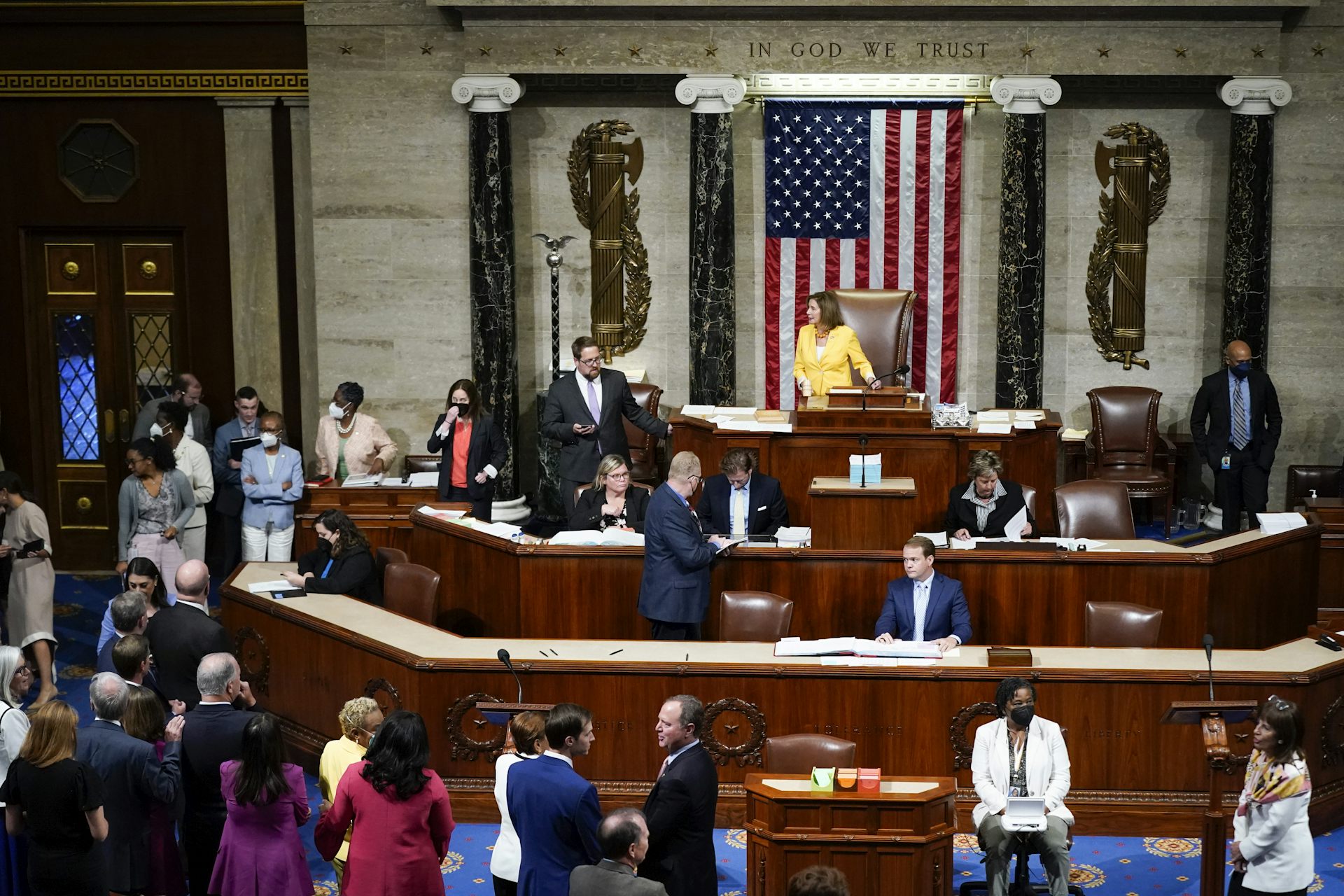
Are partisan politics even changing up our accents? They just might be, y’all
Vowels have become the latest players in partisan politics, a barometer of how beliefs and values fit within the old vs. new South.

With the midterms fast approaching, communicating just the right message has been top of mind on all sides of the political aisle.
Whether that message drives home a lack of affordability as gas, food and home prices surge or stokes fears about the rise of communism in the American heartland, Democrats and Republicans are spending a lot of time thinking about what to say.
But as a linguist who studies the impact of accents on the way people are perceived, I believe how politicians and voters say what they say might be just as important as the words they use in understanding the social consequences and linguistic changes resulting from the political divides that are growing between us.
Sounds of the South
If there is one regional American accent that has long endured on the lips of its speakers – as well as in the minds of listeners beyond the region – it’s the Southern accent. From North Carolina through Texas and pretty much all states in between, the so-called Southern drawl has long been emblematic of a distinct culture found in the South.
Yet, in the urban South, recent linguistic research finds that the drawl’s most salient features are starting to fade on the lips of young speakers. Fewer “pins” are merged with “pens,” and pronunciations such as “far” for “fire” or “say-ud” for “said” are becoming rarer.
While linguists have been busy trying to understand this trend, political scientists have been measuring how different accents perform on the campaign trail. The verdict? Southern accented candidates are generally heard as more conservative than those without a Southern accent, particularly to Democratic listeners.
Putting these findings from linguists and political scientists together, alongside a spate of studies examining correlations between voting patterns and vowels, hints, I believe, that the increasing conservative-liberal divide in American politics just might be the key to understanding what’s driving the decline of the drawl in the urban South.
Out of the mouth of the South
The traditional Southern accent has no shortage of stereotypes: From positive, friendly, country and down-home vibes to negative, backward, uneducated and lazy tropes, the accents of William Faulkner, Bill Clinton and the hillbilly Clampetts have weathered it all.
The reality, of course, is that the Southern accent is not some incorrect version of a national standard but instead a historically separate and unique dialect – or, more accurately, set of dialects.
As explored in my recent book, this dialect formed from linguistic variation that came in with colonial-era settlers from different places and stations. The incipient differences increased after the Civil War intensified hostilities and cultural differences between the North and South.
The association with “countryness” often triggered by a Southern accent grew out of this region’s agricultural past and its related cultural folkways. But what “country” has come to mean relies largely on stereotypes about what a country lifestyle involves. They include things like hunting, gun ownership and less socially progressive views – often arising from media portrayals of and beliefs about the South.
As the South has become more and more industrialized over the past half-century, these social meanings associated with the accent’s use now highlight a disconnect between its new urban vibe and its older, traditional rural one.
Voting and vowels
As rural vs. urban ideological and political divides in the U.S. have intensified, so has using symbolic means to signal this opposition.
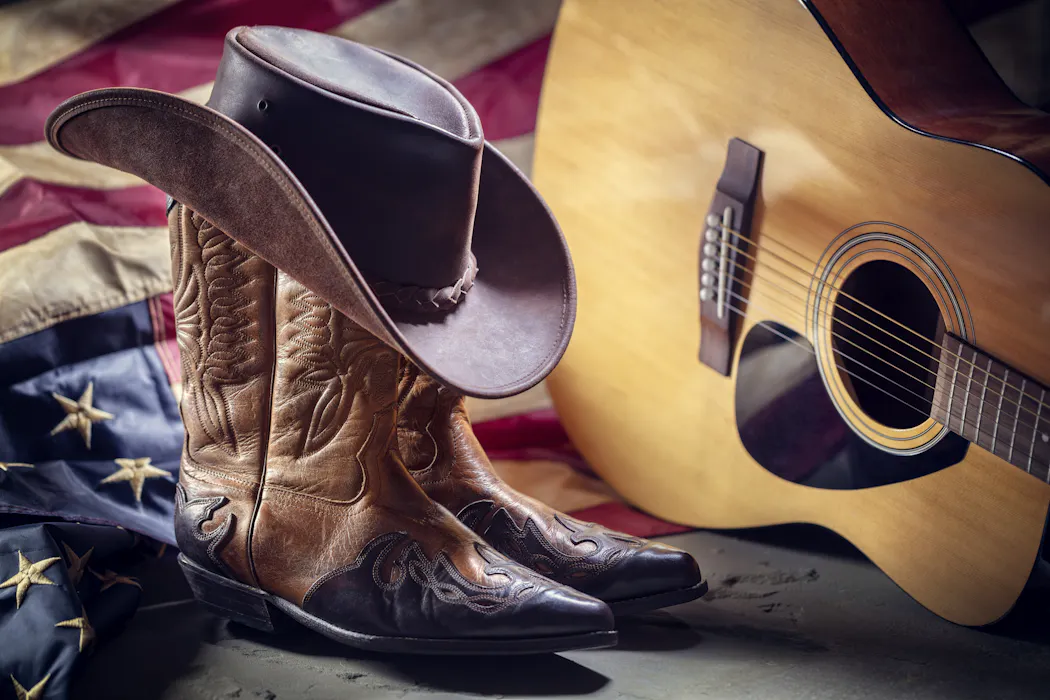
Pickup trucks emblazoned with American flags and country music have become politicized. The white Southern accent, by virtue of its association with more rural traditional values, has also become emblematic of a conservative political identity not all modern Southerners share.
Recent linguistic research has compared voters in the South who had strong Southern accents to those with weaker ones, mainly measured through their use of a set of unique Southern vowel pronunciations, such as saying “bay-ud” for “bed” or “rawed” for “ride.”
It turns out that those holding more right-leaning positions and voting Republican in previous presidential elections used significantly more Southern vowels than those with more left-leaning positions who voted for Democrats. Three separate studies in Georgia, North Carolina and Tennessee discovered the same relationship between degree of Southern accent and political conservatism or liberalism.
The takeaway from these studies is that conservatism itself is embodied in a strong Southern accent.
New sound to the urban South?
The pronunciation of one’s vowels has become a barometer of how one’s beliefs and values fit within the old vs. new South.
Conservative ideologies and politics have become enmeshed with “country” speech and lifestyles. Young urban Southerners who don’t identify with these traits might be moving not so much away from Southern identity itself but rather specifically from this rural conservative identity it is often associated with.
Of course, other factors are also playing a role in the decline of the Southern accent in cities, such as heavy migration by non-Southerners to the region and greater interaction with people from other dialect areas via social media.
Outside the South, interestingly, recent research has found a greater embrace of Southern accent features, emerging in particular among those in rural areas where traditional lifestyles and, often, more conservative views are embraced. For instance, in a small, rural town in Ohio, speakers who identified themselves as more drawn to country lifestyles showed use of vowel features – such as saying “baa” for “bye” – more associated with the South.
So, in this circuitous and indirect way, vowels have become the latest players in partisan politics: Democratic Southerners wanting to distance themselves from the ideological and political climate associated with the rural South are moving away from its unique vowels. More “traditional” or conservative-leaning speakers continue to embrace them.
The real casualty in this particular battleground might be the obscuring of a larger culture, practice and community that the Southern accent has long represented for those who are automatically – and often erroneously – assigned a politicized identity just by the sound of their voice.
Valerie M. Fridland has received funding from The National Endowment for the Humanities and the National Science Foundation.
Read These Next
How governments worldwide are shaping what AI can say about politics
Some governments use legitimate AI concerns as a pretext to control political discussion, particularly…
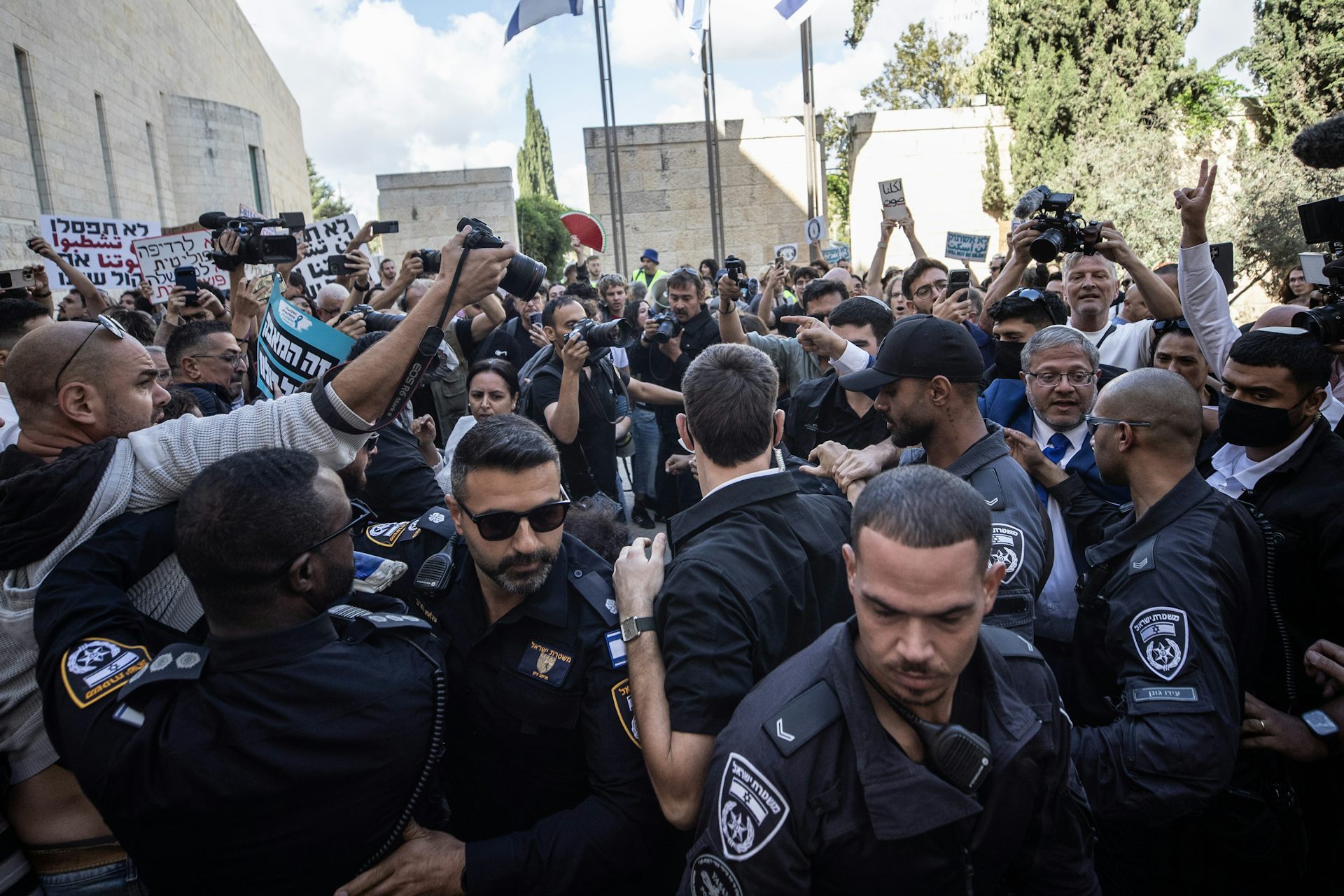
Palestinian citizens face a painful choice in Israel’s election: To vote or not
More than a third of Israel’s Palestinian citizens are expected to sit out the election.
Many vapes and e-cigarettes are now banned in Pennsylvania – here’s what Philly consumers and busine
Vape products from only six manufacturers can now be sold in Pennsylvania.