What we remember when we remember 9/11
Having a vivid, detailed memory of a remarkable event like 9/11 can seem like a demonstration of patriotism and a connection with other Americans.

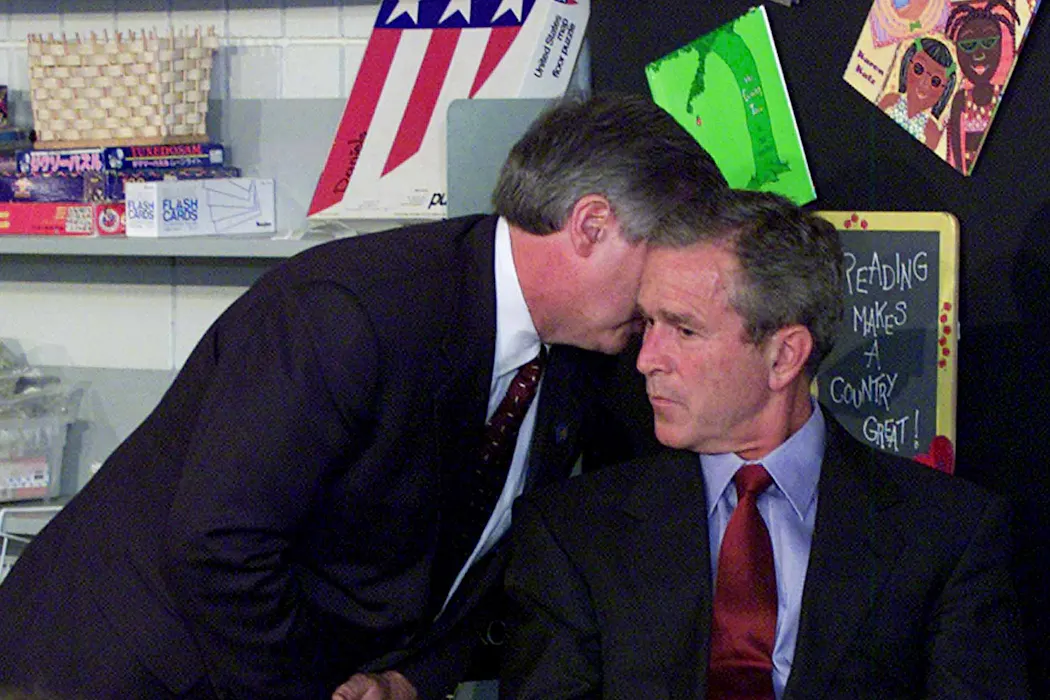
Do you remember where you were and what you were doing when you learned of the September 11 terrorist attacks that occurred 25 years ago?
Do you remember what you saw on television or how you felt? Is your memory highly detailed, and are you confident that what you are remembering is an accurate recollection of those details?
For most people who lived through the event, their answers to those questions will be a resounding “yes!” As a memory researcher, I know long-lasting and vivid “flashbulb memories” typically are for mundane events like driving to work or cooking dinner. These memories are made remarkable only due to their association with learning about remote and exceptional public events.
Learning about a remarkable event
Flashbulb memories are not memories of direct involvement in a newsworthy event. Instead, they are recollections of the exact moment and surrounding context of when someone learned of the event.
If you, for example, lived through an earthquake, your memory is likely to include traumatic and vivid details of what you were doing when the earthquake struck. You would have memories of where you were, who you were with, and your thoughts and feelings at the time.
However, the phenomenon of someone having a similarly strong memory when they’ve merely learned about an earthquake that occurred many miles away is what makes the flashbulb memory phenomenon significant.
When comparing flashbulb memories with ordinary memories of everyday experiences, my colleague and I found that in both types of memories, people tended to forget details they originally included in the written descriptions of their memories. Both groups also introduced details that contradicted information presented initially at similar rates.
However, even if flashbulb memories are not quite as accurate as we believe them to be, the exceptional qualities they exhibit do seem to differentiate them from ordinary memories.
Connection with other Americans
When a surprising and consequential public event like 9/11 occurs, it captures attention due to its novelty and disruption of ordinary life. The event is also likely to evoke a strong emotional response.
Newsworthy events occur every day, however, and only some of those events lead to flashbulb memories.
Research suggests that events must be important within a person’s social group, or relevant to their identity, to become a flashbulb memory. Talking about and thinking about the event within your community reinforces the idea that the public event was important. For instance, when grandparents share their flashbulb memories with younger generations, it helps communicate which historical events are important and what lessons can be drawn from those experiences.

Having a vivid, detailed memory of the event serves to reinforce a person’s connection to the group. In the context of the 9/11 attacks, sharing one’s flashbulb memory of that day can seem like a demonstration of patriotism and connection with other Americans.
Recounting where you were and what you were doing that day connects your personal history to a broader history. It can be a means of bearing witness. For example, Pennsylvania state legislators recently discussed their recollections of the day – where they were, what they were doing when the first plane struck the north tower of the World Trade Center – and its personal and political consequences.
Initially, people who actually experienced the event themselves tend to share their stories with each other. But as time passes, listeners hear those stories as a way of learning about past events that they did not themselves live through.
For these people, remembering 9/11 is about connecting the public and the personal to comprehend not just what occurred, but what it meant. With each anniversary, the group of people with a personal connection diminishes until the event simply becomes a part of the historical past
What does it mean to ‘never forget’?
A common entreaty after tragedies is to “remember” or to “never forget” such historic events.
“Remember the Alamo” or “Remember Pearl Harbor” are examples, as well as the common refrain to “never forget” the Holocaust. Similarly, “never forget” became a solemn slogan to remember 9/11 immediately after the attacks.
These types of refrains are often calls to honor those who were directly affected. In the case of 9/11, it’s a call to reflect on the lives lost and the loved ones left behind.
For some people, this is a deeply personal act of mourning. For others, remembrance is a way of demonstrating respect and reverence for people they did not know but wish to commemorate.
As the event and its participants recede into the past, appeals to memory are often more abstract. They are calls to draw lessons and to shape future actions. Public memorials like the 9/11 Memorial and Museum are often constructed to encourage these abstract types of remembering.
Remembering the event
To remember an event like 9/11 can also mean the simple recalling of factual details. The United States suffered a terrorist attack on the World Trade Center in New York and the Pentagon. The passengers of United Airlines Flight 93 forced a crash in rural Pennsylvania, thwarting another intended attack on Washington.
Those are key components of what it means to know what happened. But in many ways, those are the least important elements to commit to memory because the information is so readily available from other sources.
On the other hand, flashbulb memories of how an individual person heard about 9/11 are unique.
What it means to remember 9/11 will depend on who is doing the remembering and what they are being asked to recall. The traumatic memories of people who directly experienced the events in New York, Virginia and in Shanksville, Pa. are different from the flashbulb memories of people who learned about the events on that day from afar.
And these flashbulb memories differ from the factual memories that all Americans share about what transpired on that day, even if we were not alive when it occurred.
Each way of remembering 9/11 is important.
Jennifer Talarico does not work for, consult, own shares in or receive funding from any company or organization that would benefit from this article, and has disclosed no relevant affiliations beyond their academic appointment.
Read These Next
What the law says about armed officers at polling places
What does the law say about armed officials at the polls? That’s one of four questions that a legal…

AI can help with academic research but doesn’t always get it right – here are some tips to check the
AI is quickly changing. These tips from university librarians can help people keep pace with the shifts…

Your cells keep a record of every workout you’ve ever done – and those gains persist even after a br
‘Use it or lose it’ isn’t quite true when it comes to the health benefits of exercise. Cells across…