Pennsylvania’s aging prisons weren’t built for today’s extreme weather – leaving women and seniors e
Extreme hot and cold temperatures are associated with higher rates of deaths, infirmary admissions and transfers to external medical facilities, researchers found.

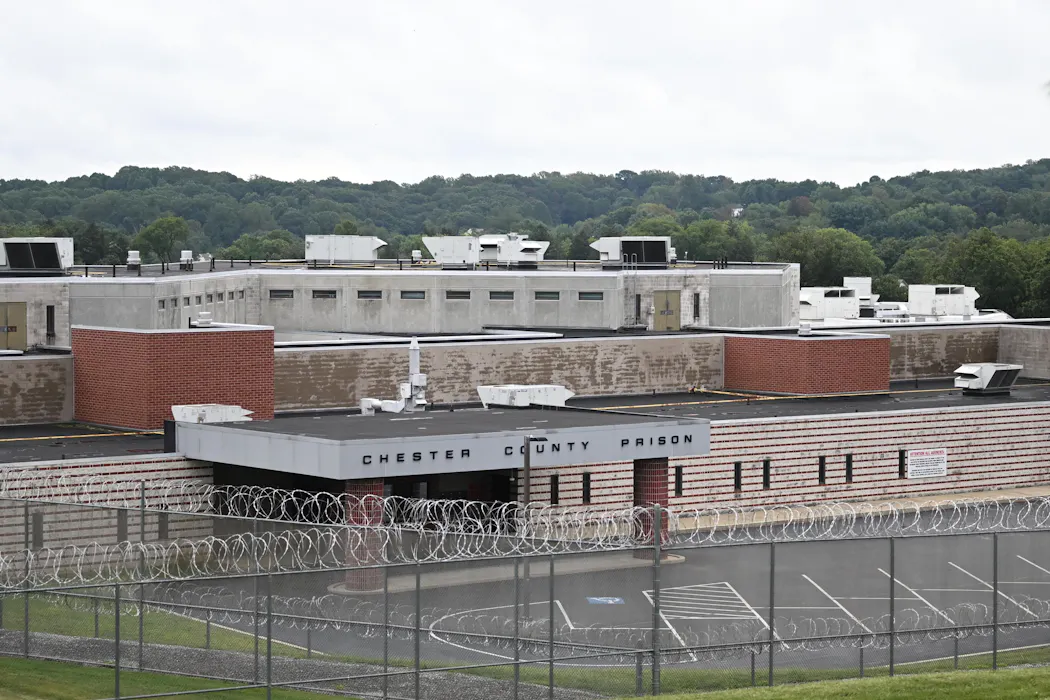
When outdoor temperatures spike to 103 degrees Fahrenheit (39 degrees Celsius), or drop to -9 F (-23 C), like they did across Pennsylvania last year, people locked up in jails and prisons cannot simply turn on the air conditioning or find a public warming center.
For several years, people in custody, advocates and local media have sounded the alarm about the dangers posed by extreme temperatures in Pennsylvania’s state prisons.
Conditions inside Pennsylvania’s prisons have been described as a sauna during a summer heat wave and bitterly cold in the winter, especially when heating systems have malfunctioned. Amy McBride, a woman in her early 60s incarcerated at MCI Muncy, told the Prison Journalism Project, “I tend to wear two to three layers of pants and four to six layers of shirts (in winter), sometimes with my jacket and coat over them.”
I am an epidemiologist who studies the health of incarcerated people. My colleagues and I put numbers to these warnings in a recent study. We found that extreme hot and cold temperatures were associated with higher rates of deaths, infirmary admissions and transfers to external medical facilities among imprisoned people in Pennsylvania over the past 20 years.
While these temperature hazards are not unique to Pennsylvania, several factors make this issue a particular concern for the state. Pennsylvania has the nation’s sixth-largest prison population among U.S. states. Nearly 40,000 people are confined in Pennsylvania prisons.
Furthermore, most of Pennsylvania’s state prison facilities were built in the 1990s or earlier, when weather patterns were not so extreme. Some, including the state correctional institutions in Cambridge Springs, Dallas, Laurel Highlands, Muncy, Waymart and Huntingdon, the oldest continuously running correctional facility in Pennsylvania, have partial or very limited air conditioning. This means they have air conditioning in some buildings or units, such as nursing care areas, and not others.
Previous research also suggests that while hot temperatures pose risks to incarcerated people across the country, those incarcerated in the Northeast have experienced some of the greatest increases in heat-related mortality risk since 2001.
Prison healthcare systems under strain
Even under normal weather conditions, prison healthcare systems are highly strained. People in prison are more likely than the general population to have chronic medical conditions such as heart disease, and the state’s prison population is getting older, which increases its medical needs and expenses. The average age at prison admission has increased from 31 in 2000 to 38 in 2023.
The average cost for medications alone for adults over 50 in the state’s prison is US$3,357 per person per year. That’s 53% more than costs for younger incarcerated adults.
The state prison system experiences chronic staffing shortages of corrections officers, nurses and physicians. Some facilities have experienced vacancy rates of medical staff of nearly 40%. Shortages of corrections officers result in greater restrictions on the movement of incarcerated people, who then have less access to health appointments, group therapy and other programming. This can be especially difficult for older incarcerated people and those who have been incarcerated for long periods of time, because they have greater medical needs and are often more isolated from loved ones.
Constitutional protections against cruel and unusual punishment prohibit deliberate indifference to prisoners’ medical needs. But in addition to staffing shortages and other administrative challenges with healthcare delivery in prisons, incarcerated people also face financial barriers.
In Pennsylvania, they must pay a $5 copay per visit to receive medical treatment that is determined by the Department of Correction to not be an emergency. This may sound low but is substantial in the context of wages that range from 23 cents to 50 cents per hour.
Incarcerated women may face higher heat risks
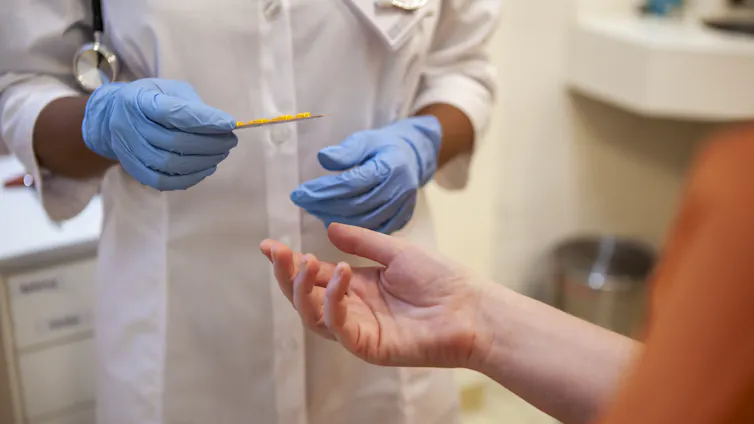
One unexpected finding from our analysis was that women in Pennsylvania state prisons experienced greater increases in rates of infirmary visits and transfers to external medical facilities on and after extremely hot days than men.
This was unexpected because previous studies haven’t consistently shown that women are more vulnerable to heat-related health risks. But these studies were conducted in the general population, not among people in prison.
Incarcerated people experience what medical researchers call “accelerated aging” because of the stressors they experience during and prior to incarceration. This means their biologic age is ahead of their chronological age. They are more likely to experience menopause, cancer and chronic disease at a younger age than would typically be expected.
Hot flashes and night sweats are common symptoms of menopause that can become life threatening during extreme heat events and when cooling, hydration and hormone therapy are limited or unavailable.
Preparing for a warmer climate
Our research found that extreme heat and extreme cold increase the demands on an already strained system of prison operations and healthcare delivery. These demands will likely only get worse as extreme temperatures continue to intensify.
We believe climate resilience planning will require improvements in prison conditions, improvements in prison healthcare systems, and policy efforts to reduce the number of people – particularly older adults – who are incarcerated.
Read more of our stories about Philadelphia and Pennsylvania, or sign up for our Philadelphia newsletter on Substack.
Jaquelyn Jahn receives funding from the National Institutes of Health, the Centers for Disease Control and Prevention, Arnold Ventures, and the Robert Wood Johnson Foundation.
Read These Next

Remote work made these colleagues more open with each other, not less
Remote work does not necessarily mean that social connections break down. Instead, it can provide the…
Belonging and belief: Why evangelical churches draw many migrants in the US
Many migrants find community in evangelical churches in the U.S. – part of wider shifts in the country’s…

Treating depression during pregnancy may benefit baby’s brain development – new research
Therapy during pregnancy for those who need it may have advantages for the next generation.