Sexual assault survivors’ stories may shift over time – a psychologist explains why it doesn’t mean
The brain’s acute response to the trauma of sexual assault can block a person’s ability to accurately assess what they experienced.

If a person’s story changes in the weeks following an alleged sexual assault, are they not telling the truth?
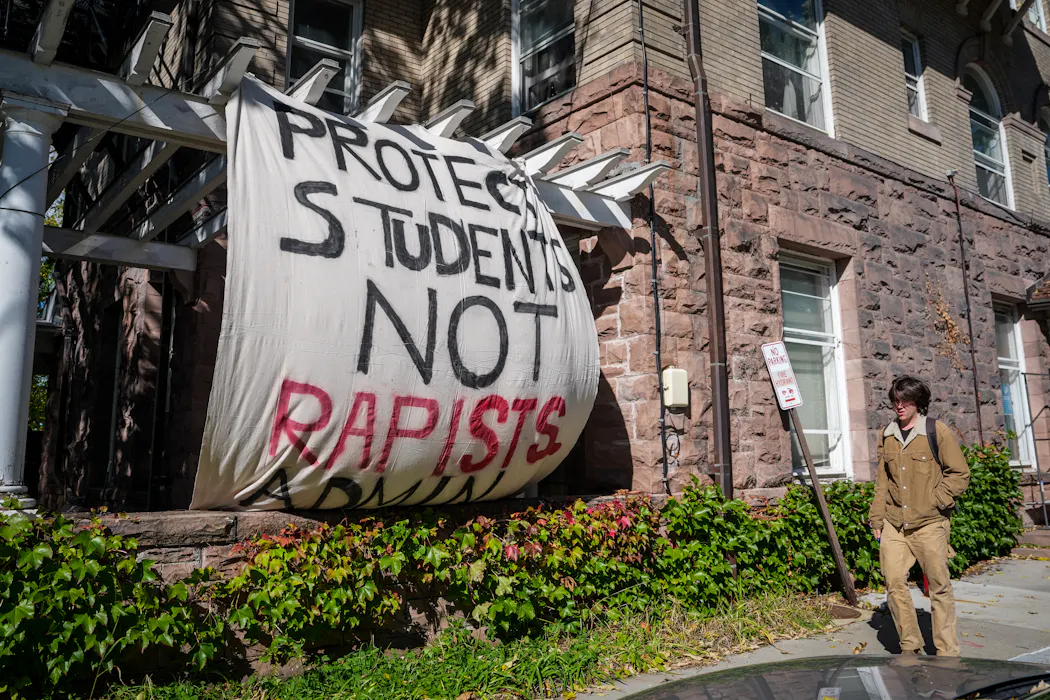
It’s a criticism I’ve seen on social media and heard in the public conversation surrounding the lawsuit filed in September 2026 by a plaintiff known as Jane Doe, a former student at Cornell University, accusing seven male students of rape.
Initially, Doe discussed events with her friend a friend but reportedly didn’t identify them as assault. It wasn’t until weeks later, when her experience was labeled as a gang rape by others, that she came forward to authorities.
Survivors are often questioned about how they relay their stories. When societal expectations about how rape survivors should respond do not align with the victim’s experience, it’s easy to assume that the victim is lying and the assailant is innocent.
Research indicates 60% to 70% of female rape survivors do not identify their experience as rape. That’s especially true for college students. Instead, rape survivors often describe their experience in more general terms, referring to it as “bad sex” or “miscommunication.” That’s both because of how sexual assault affects a survivor’s mind, brain and body and because of how society thinks about rape.
In my experience as a psychologist doing crisis intervention work with rape and sexual assault victims, it is very common for survivors to prefer to continue as if the assault never happened and to be driven by a strong desire to return to normalcy. While this seems counterintuitive, understanding the biological and psychological survival processes that sexual assault can activate may help explain why this response is perfectly logical.
Trauma’s immediate impact
Immediately following a rape, survivors – whether they characterize their experience as rape or not – often experience myriad symptoms broadly referred to as rape trauma syndrome. These symptoms include self-blame, emotional dysregulation and feelings of fear and humiliation. These symptoms often lead to problems with sleep, headaches, muscle tension and fatigue.
Psychologists generally diagnose symptoms consistent with rape trauma syndrome as acute stress disorder. Acute stress disorder reflects the unique psychological reactions immediately following trauma, whereas the longer-term effects are characterized as post-traumatic stress disorder, or PTSD.
People with acute stress disorder experience at least nine symptoms across several categories, including avoidance of trauma reminders, persistent negative mood and dissociation – defined as a disconnection between thoughts, feelings and bodily sensations. Other symptoms include intrusive experiences like nightmares or flashbacks, feeling like they are reexperiencing the trauma, constantly being on high alert and having overly intense emotional reactions to reminders of the traumatic event.
The brain on trauma
During acute stress, the brain shifts into survival mode.
Two of the main bodily systems activated during this period are the limbic system and the hypothalamic-pituitary-adrenal axis. The limbic system controls emotions, memory and behavior. The hypothalamic-pituitary-adrenal axis controls how the body responds to stress by regulating hormones like cortisol.
These systems mobilize the body’s key survival responses – fight, flight, freeze and fawn.
When the limbic system and hypothalamic-pituitary-adrenal axis kick in following trauma, the internal commotion that ensues takes over the brain’s ability to control thinking, planning and decision-making. This effectively prevents the brain from making accurate sense of what happened and from coping with the trauma in a healthy way.

Self-blame and denial are protective
For rape survivors, a common outcome of this neurobiological storm is self-blame – a tendency to hold themselves responsible for the events that led to the trauma. Generally, people believe they live in a world that feels safe and predictable, and they tend to adhere to the just world hypothesis, which posits that good things happen to good people. To preserve the illusion of control, safety and predictability, survivors blame themselves in an effort to to restore order to a world that has been incredibly shaken by trauma.
Rape survivors often experience hindsight bias – the belief that they should have been able to predict or prevent an assault. This belief, which further reinforces self-blame, is fortified by a culture in which rape prevention programs tend to focus on women as opposed to men, leading women to believe they alone are responsible for and can prevent rape.
Then there’s denial, a defense mechanism that can take the form of avoidance of or dissociation from the trauma. Because the reality of what has happened is overwhelming to the brain and psyche, denying or ignoring it provides a defense from the flood of emotion that follows trauma and helps reestablish a sense of stability.
Common rape stereotypes – for example, that rape is mainly committed by strangers in a novel situation, not by acquaintances during everyday experiences – reinforce these feelings. In fact, statistics indicate that 80% to 90% of women are raped by someone they know.
Judging a changing story
A person assessing the reactions of a rape and trauma survivor generally does so in a calm and collected frame of mind. Yet the actions they are judging were made under extreme duress – under mental and physical hurricane conditions, you could say.
For a survivor of rape, an inability to clearly name the assault for what it was is a common outcome of the biological and psychological factors at play during acute stress. This denial functions to preserve their identity and sanity during acute stress, restore order to their world and help them make rational sense of what has happened to them.
Breaking through these self-preservation mechanisms often takes time – time that observers too often misinterpret as a false accounting of what actually happened.
Michele Patterson Ford does not work for, consult, own shares in or receive funding from any company or organization that would benefit from this article, and has disclosed no relevant affiliations beyond their academic appointment.
Read These Next

A molecule’s ‘handedness’ can determine whether it’s an effective drug – 4 examples of pharmaceutica
The 2026 Nobel Prize in chemistry gave a hand to handed molecules – and the processes chemists use…

Why the assault weapons debate is a culture debate
The Supreme Court’s decision to hear two assault weapons cases caps a multi-decade dispute over restricting…

Meet the ‘independent voters’ who will likely decide which party triumphs in the 2026 midterm electi
Republicans and Democrats need to make inroads with independent voters. But the themes that motivate…