New variant of the flu virus is driving surge of cases across the US and Canada
A particularly infectious subvariant of influenza is keeping emergency room numbers high and causing especially severe illness in children.

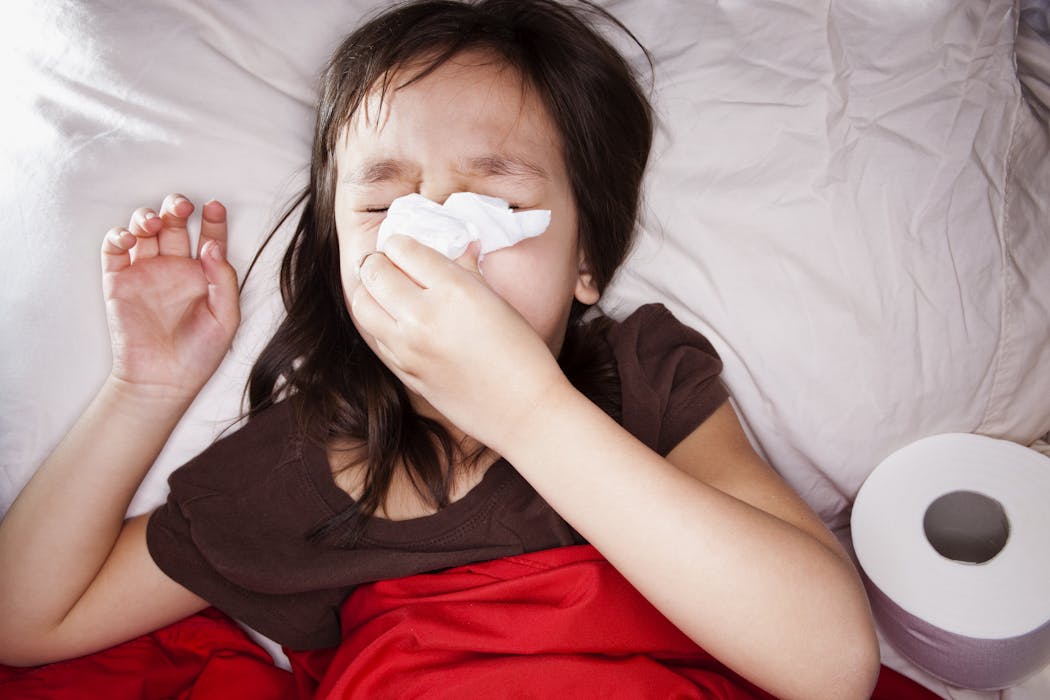
After a sharp uptick in flu cases in mid-December 2025, flu activity across the U.S. and Canada remains high.
Although cases are trending downward in Canada as of Jan. 9, 2026, the season has yet to peak in the U.S., according to data from the Centers for Disease Control and Prevention.
As an emergency room pediatrician in central Massachusetts, I’m seeing a tremendous amount of flu over the past few weeks. I’m hearing from colleagues in emergency rooms across the country that they are experiencing a similar explosion of flu cases.
In early January, New York state recorded the highest number of flu cases in a single week on record. Several other states, such as Colorado, are also experiencing record flu levels, and 44 out of 55 states and other jurisdictions are reporting high or very high flu activity, according to the CDC.
The spike in flu cases – widely referred to in media reports as a “superflu” – is largely driven by a newly identified subtype of the virus called subclade K.
What’s different about the current flu season?
Flu seasons vary every year. In 2024-2025, influenza cases rose fast beginning in October 2024. In contrast, the 2025-2026 season started out slow, but then it’s as if a switch was flipped in early to mid-December.
In the last week of December, throughout the United States, over 8% of doctors visits were for flu symptoms – the highest weekly rate since 2005. Emergency department visit rates for flu are spiking throughout the country, most notably in the South and Northeast, where rates exceeded the national average.
Over this same time period, more than 26% of flu tests taken throughout Canada were positive for influenza.
As of Jan. 15, the CDC estimates that flu has caused 15 million illnesses, 180,000 hospitalizations and 7,400 deaths this season. One small saving grace is that the flu this season hasn’t come on concurrently with either a respiratory syncytial virus – RSV – or COVID-19 surge, as it often does.
Traditionally, the flu is most dangerous for people over 65 or those with underlying health conditions, with young children experiencing more mild symptoms. But this year’s strain is hitting kids harder. They are arriving in the emergency room after having had a high fever of more than 104 degrees for 5-7 days, or with flu complications including febrile seizures, croup or severe dehydration.
An especially high number of children is currently being hospitalized for flu, the CDC reports. As of Jan. 9, the U.S. had seen 17 deaths of children due to flu so far during the 2025-2026 season.
In 2024-2025, the deadliest year on record for kids, flu caused 289 pediatric deaths.
What is subclade K?
Every year, the subvariants of the influenza virus that are the most pervasive change slightly.
This year, the most prevalent variant is subclade K, which is a subtype of influenza H3N2. Subclade K was first detected in Australia in July 2025. It’s driving 91.5% of infections in the U.S. so far this season and is also responsible for the peak in Canada.
Subclade K has proved itself to be a particularly infectious variant, based on how quickly the volume of flu cases has surged. Its dominance may be driven by mutations that make it different from previous strains. Some scientists speculate that H3 influenza viruses have circulated at relatively low levels the past few years, which may have led to lower levels of immunity in the general population.
In my emergency department, we’re also seeing particularly high spiking fevers of 104 or 105 degrees, compared with more usual lower grade fevers. That in itself is not dangerous, but for young children it does result in more instances of febrile seizures and dehydration.

How late is too late to get vaccinated?
Generally speaking, I recommend people get the flu shot, in line with guidelines by the American Academy of Pediatrics. Getting vaccinated for the flu has proved to decrease the risk of serious illness, hospitalization and death. People who get the vaccine are more likely to have milder cases.
For people still considering getting the flu shot for this season, I strongly recommend doing so sooner rather than later. Waiting longer would limit the window in which the vaccine is most effective. That’s because it takes a couple of weeks for the flu shot to impart its maximal benefits. Vaccination in mid-January would mean peak protection in late January and early February.
Flu season generally peaks in December through February in North America.
One thing to note, however, is that the strains that were chosen to be included in the 2025-2026 flu vaccine weren’t a great match for the predominantly circulating subclave K. Still, evidence suggests that this year’s vaccine does provide protection.
Should you take an at-home flu test?
In my opinion, in most cases home testing for flu is not especially useful.
Many people seek out flu tests to determine whether they should get antiviral therapies like Tamiflu. But while those therapies might decrease your symptoms slightly, they aren’t particularly effective, and they come with their own risks, such as upset stomach, vomiting and diarrhea. Most of my colleagues in the emergency department, myself included, rarely recommend them.
Whether you have the flu or a flu-like illness such as RSV, COVID-19 or rhinovirus, the recommendations for treating and managing the illness at home as well as the point at which I’d suggest someone seek care are no different.
Because of that, being able to put a label on the disease isn’t all that important. With the high levels of flu circulating now, if you’re feeling unwell and have signs of fever and upper respiratory symptoms, you can almost assume it’s the flu.
One exception is for people with underlying health conditions such as heart disease or severe asthma. For them, as for people who are hospitalized for flu, antiviral therapy may be recommended and thus testing for the flu can be helpful.
Basic precautions can protect you and your community
The same precautions apply for all flu-like illnesses, but it’s worth being particularly mindful of just how contagious subclade K seems to be.
It’s important to protect yourself and your community. Washing your hands frequently can minimize exposure to flu-containing droplets. Even more importantly, people who feel unwell – particularly if they have a fever – should stay home from work, school or activities, if possible, until they are fever-free for 24 hours.
Zachary W. Binder does not work for, consult, own shares in or receive funding from any company or organization that would benefit from this article, and has disclosed no relevant affiliations beyond their academic appointment.
Read These Next

More rehab centers should mean fewer overdoses. In one California region, we found the opposite
When people travel out of state for addiction treatment, overdose risk is greater than many realize.

Americans are stressed about grocery prices, so why do they toss or overlook so much ‘misfit’ food?
Quality, rather than discounts or environmental benefits, is what’s needed to encourage shoppers to…

That brightly packaged sexual enhancement pill at the gas station might be laced with dangerous drug
Sexual enhancement supplements often contain unlisted prescription drugs that pose serious health risks.