
Philly’s walkable streets and public parks offer older residents chances to stay active – but public
Movement is key to healthy aging, and Philadelphia offers pros and cons for seniors getting around the city.

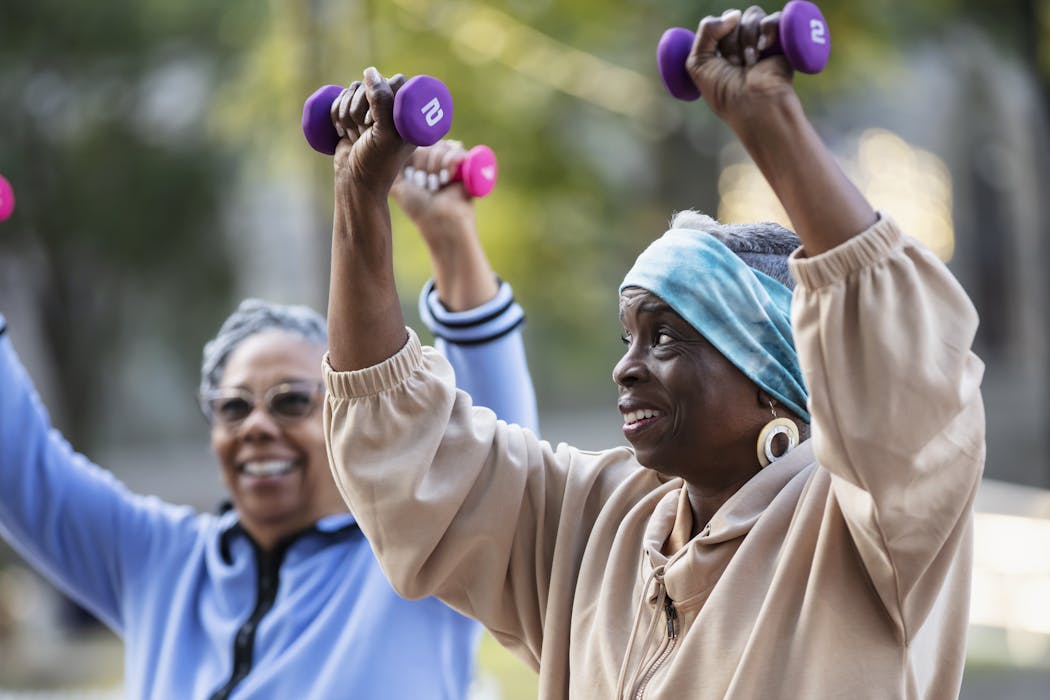
One in five Philadelphians are age 60 or older, and the city’s senior population has been growing for at least the past decade.
I’m a Philly-based physical therapist and researcher who studies how to boost physical activity for seniors and people with disabilities. Patients, participants in the studies I conduct, and older community members alike often ask me: “What should I do to stay healthy?”
My answer is simple: Movement is one of the most powerful tools we have to support our bodies and minds, and to stay independent as we grow older.
The World Health Organization recommends that all adults, no matter their age, should aim for at least 150 minutes of cardio activities per week, and strength training twice a week. Older adults should also practice balance training through activities like tai chi, yoga or dance to prevent falls.
But most older adults don’t meet all these metrics. In fact, in Philadelphia, 30% of seniors report having difficulty with mobility activities like walking or climbing stairs.
While staying active is key to aging independently, the environments where we live also influence these outcomes. Think about “blue zones,” places where some of the healthiest and longest-living people in the world reside. They usually live longer because of a combination of social connections, movement opportunities and diets.
Philly is definitely not a blue zone, but there are pros to moving through your golden years here … and some cons.
Urban infrastructure
Philadelphia’s regular street grid, close neighborhoods and the fact that much of Center City is accessible by foot help explain why Philly was named the most walkable city in the U.S. by USA Today for the past three years.
If you’re taking in the city on foot, you’re very likely to stumble upon a public park like one of the five historic squares designed by William Penn in the 1680s, the massive Fairmount Park – which is over 10 times the size of Central Park in New York – or the bustling Clark Park in West Philadelphia, among others.
In fact, 95% of all Philadelphia residents – and 94% of those 65 and older – live within a 10-minute walk of a public park. However, those parks tend to be smaller and lower-quality for people in low-income neighborhoods.
Philly’s public transit system, however, tends to receive less praise.
In the beginning of 2025, over 700,000 people rode some form of Southeastern Pennsylvania Public Transportation Authority, or SEPTA, public transit daily. But this year was marked by dramatic service cuts – though they were quickly reversed – funding uncertainty and fare increases.
Public transportation is directly linked to the overall health of a city and its residents. Healthy public transportation can stimulate local economies, improve air quality and increase access to work, school and health care for everyone, whether they own a car or not.
And the physical activity often required to get to and from a bus, train or trolley stop can provide some extra movement for riders.
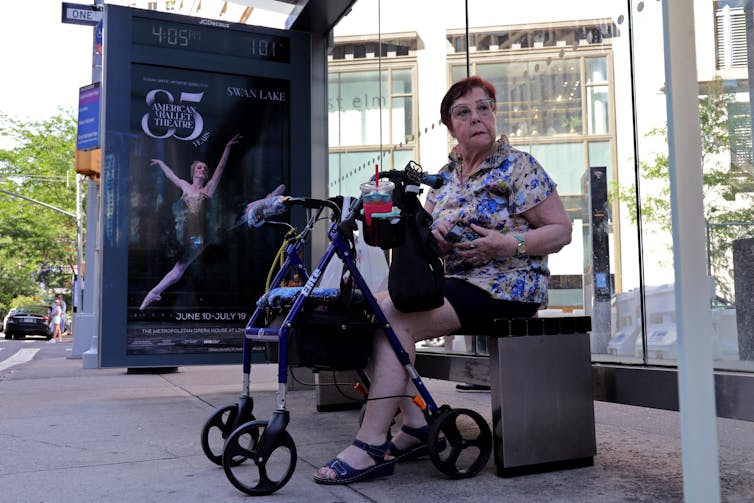
Since older adults make up a significant portion of SEPTA riders, service cuts mean that some seniors cannot get where they need to go, are less physically active and may become lonelier.
Of course, Philly’s historic cobblestone streets, narrow alleyways and uneven sidewalks aren’t wheelchair- or cane-friendly, and are a challenge for people with mobility limitations. However, in 2023, Philadelphia settled a class action lawsuit over inaccessible sidewalks and curb ramps that resulted in a federal mandate that requires the city to install or fix 10,000 curb ramps by 2038. Philly has installed or fixed about 25% of that total so far.
Philadelphia also has many historic buildings, and this designation allows for a loophole to Americans with Disabilities Act compliance laws. These buildings are often inaccessible to people who use wheelchairs or other mobility devices.
Services for seniors
In 2011, Philly launched the Mayor’s Commission on Aging to support policies and projects that aim to improve the quality of life of older adults.
At the time, the U.S. was experiencing a massive shift in demographics. The number of adults age 65 and older grew by nearly 40% from 2010 to 2020. According to research from the Pew Charitable Trusts, Philly experienced a similar, albeit less dramatic, upward trend. The city’s senior population grew by 22% from 2013 to 2023.
The Mayor’s Commission on Aging advocates for older residents and often partners with agencies like the Philadelphia Corporation on Aging that focus on seniors. PCA offers several programs to support senior independence and wellness, such as the Senior Housing Assistance Repair Program and the Caregiver Support Program, which provides help for the family and friends who support seniors.
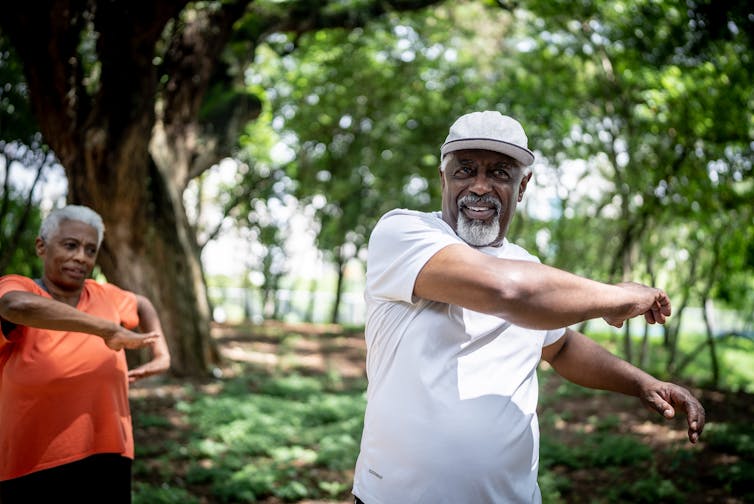
PCA also oversees 28 senior community centers throughout the city. Each of the centers offers a variety of free or low-cost classes, including nationally recognized physical activity programs that improve strength, balance, quality of life and other important health metrics for older adults.
The Salvation Army Kroc Center of Philadelphia in North Philadelphia is another great resource for older Philadelphians. The state-of-the-art health club offers fitness, swimming and gardening opportunities. An annual membership is US$451 for adults over age 62, and the club accepts some insurance wellness benefits.
In 2026, I will partner with the Kroc Center to launch Bingocize, an evidence-based physical activity program for older adults, as part of a research study funded by the Arthritis Foundation. We hope to find out if the new program boosts physical function and physical activity, and improves arthritis symptoms and quality of life. We’re also looking at what factors will make the program sustainable at the Kroc Center long after the study is over.
I believe Philly has more work to do when it comes to providing seniors access to physical activities that promote healthy aging. But the seeds planted over a decade ago to protect and support the city’s rapidly growing aging population demonstrate a commitment to positive change, and an understanding that where we live affects individual and collective health.
Read more of our stories about Philadelphia, or sign up for our Philadelphia newsletter on Substack.
Laura Baehr receives funding from the Department of Defense, the Arthritis Foundation, and the Clinician-Scientists Transdisciplinary Aging Research Coordinating Center (a National Institutes of Health National Institute on Aging funded center). Laura Baehr has worked with the Philadelphia Mayor's Commission on Aging and with Philadelphia Corporation on Aging.
Read These Next
More rehab centers should mean fewer overdoses. In one California region, we found the opposite
When people travel out of state for addiction treatment, overdose risk is greater than many realize.

Americans are stressed about grocery prices, so why do they toss or overlook so much ‘misfit’ food?
Quality, rather than discounts or environmental benefits, is what’s needed to encourage shoppers to…
Today’s irreverent politics ignore ancient wisdom: The need to know your limits
Many Americans have decried today’s politics as ‘shameless.’ The antidote, a political philosopher…