Sugar starts corroding your teeth within seconds – here’s how to protect your pearly whites from dec
Bacteria living in your mouth get to work as soon as you take your first bite or sip of something sweet. Consuming your sugar more strategically can help keep cavities at bay.

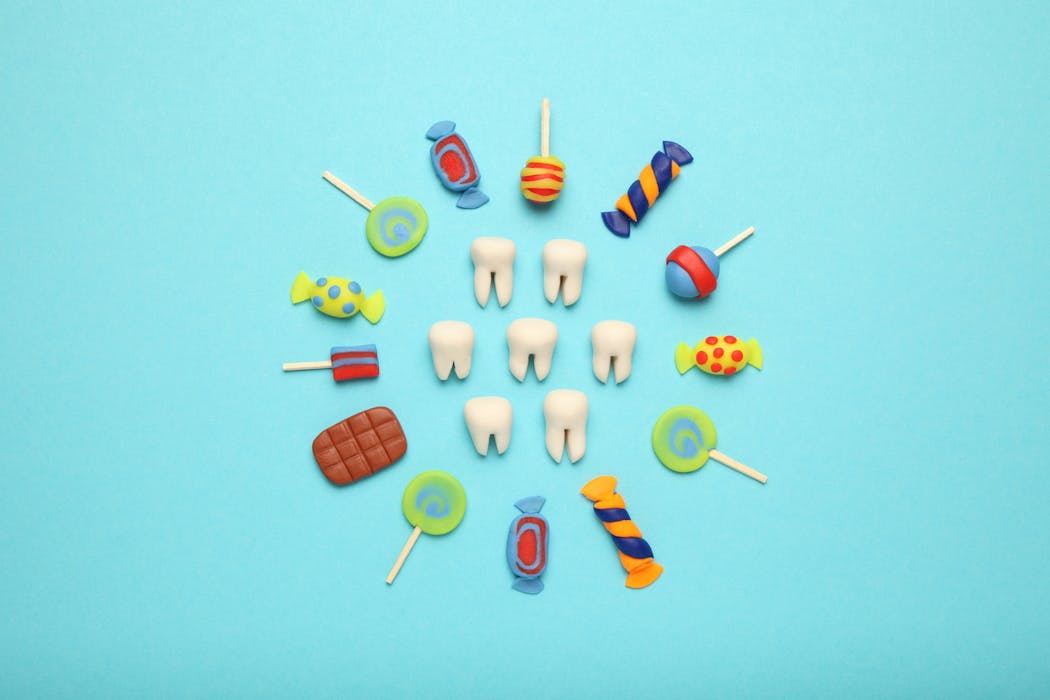
Between Halloween candy, Thanksgiving pies and holiday cookies, the end of the year is often packed with opportunities to consume sugar. But what happens in your mouth during those first minutes and hours after eating those sweets?
While you’re likely aware that eating too much sugar can cause cavities – that is, damage to your teeth – you might be less familiar with how bacteria use those sugars to build a sticky film called plaque on your teeth as soon as you take that first sweet bite.
We are a team of microbiologists that studies how oral bacteria cause tooth decay. Here’s what happens in your mouth the moment sugar passes your lips – and how to protect your teeth:
An acid plunge
Within seconds of your first bite or sip of something sugary, the bacteria that make the human mouth their home start using those dietary sugars to grow and multiply. In the process of converting those sugars into energy, these bacteria produce large quantities of acids. As a result, just a minute or two after consuming high-sugar foods or drinks, the acidity of your mouth increases into levels that can dissolve enamel – that is, the minerals making up the surface of your teeth.

Luckily, saliva comes to the rescue before these acids can start corroding the surface of your teeth. It washes away excess sugars while also neutralizing the acids in your mouth.
Your mouth is also home to other bacteria that compete with cavity-causing bacteria for resources and space, fighting them off and restoring the acidity of your mouth to levels that aren’t harmful to teeth.
However, frequent consumption of sweets and sugary drinks can overfeed harmful bacteria in a way that neither saliva nor helpful bacteria can overcome.
An assault on enamel
Cavity-causing bacteria also use dietary sugars to make a sticky layer called a biofilm that acts like a fortress attached to the teeth. Biofilms are very hard to remove without mechanical force, such as from routinely brushing your teeth or cleaning at the dentist’s office.
In addition, biofilms impose a physical barrier that restricts what crosses its border, such that saliva can no longer do its job of neutralizing acid as well. To make matters worse, while cavity-causing bacteria are able to survive in these acidic conditions, the good bacteria fighting them cannot.
In these protected fortresses, cavity-causing bacteria are able to keep multiplying, keeping the acidity level of the mouth elevated and leading to further loss of tooth minerals until a cavity becomes visible or painful.
How to protect your (sweet) teeth
Before eating your next sugary treat, there are a few measures you can take to help keep the cavity-forming bacteria at bay and your teeth safe.
First, try to reduce the amount of sugar you eat and consume your sugary food or drink during a meal. This way, the increased saliva production that occurs while eating can help wash away sugars and neutralize acids in your mouth.
In addition, avoid snacking on sweets and sugary drinks throughout the day, especially those containing table sugar or high-fructose corn syrup. Continually exposing your mouth to sugar will keep its acidity level higher for longer periods of time.
Finally, remember to brush regularly, especially after meals, to remove as much dental plaque as possible. Daily flossing also helps remove plaque from areas that your toothbrush cannot reach.
José Lemos receives funding from NIH and Vaxcyte.
Jacqueline Abranches receives funding from NIH/NIDCR and Vaxcyte.
Read These Next

Why the assault weapons debate is a culture debate
The Supreme Court’s decision to hear two assault weapons cases caps a multi-decade dispute over restricting…

What the law says about armed officers at polling places
What does the law say about armed officials at the polls? That’s one of four questions that a legal…

Leap seconds have helped keep clocks synchronized with Earth’s rotation, but their time may be over
If you think about leap years, it may seem like humans have a very odd way of measuring time. Sometimes,…