Huachuma, the Andean psychedelic cactus, is drawing Western seekers and raising ethical questions
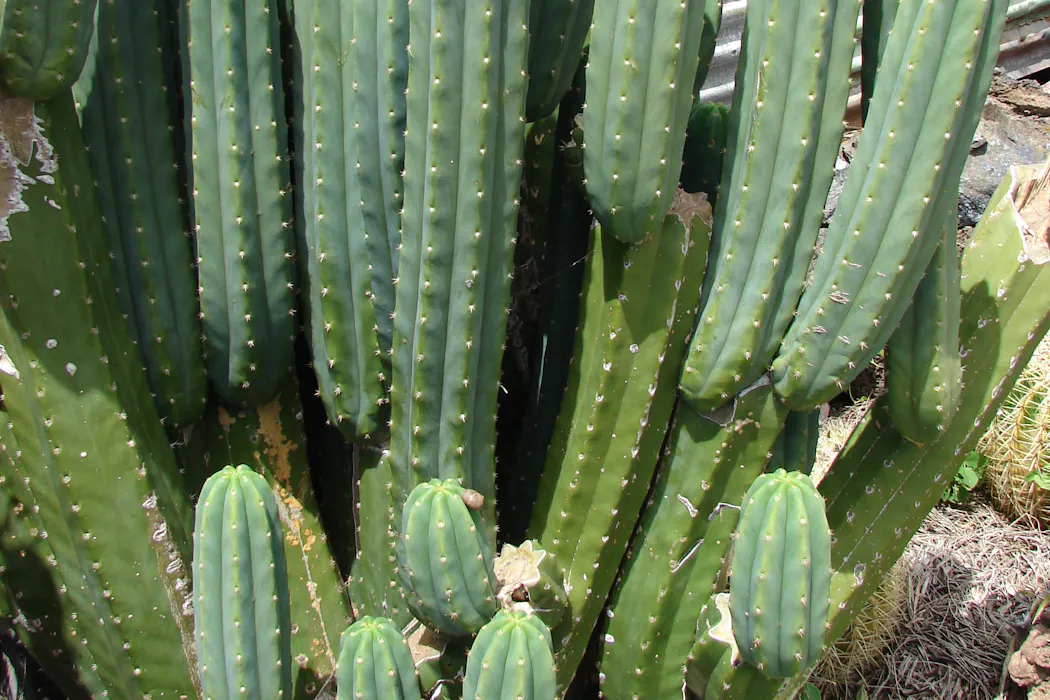
Huachuma, the Andean cactus better known as San Pedro, contains mescaline, a psychoactive compound that alters perception and mood.

For at least two decades, thousands of Americans have been going to Peru, Ecuador, Colombia and Brazil to look for ayahuasca, a psychoactive brew traditionally used in sacred ceremonies in South America. Ayahuasca contains the psychedelic compound DMT, N-Dimethyltryptamine, and researchers are studying its effects on several conditions, including depression and addiction.
However, another sacred plant is quietly drawing Western seekers as well: huachuma, the Andean cactus better known as San Pedro. The plant contains mescaline, a psychoactive compound that alters perception and mood, sharpening the senses and amplifying feelings of empathy and connection.
Ceremonies and retreats are spreading across the U.S., Latin America and Europe into the thousands, as researchers take a fresh look at mescaline’s effects on depression, anxiety and addiction.
The Conversation asked Pardis Mahdavi, a medical anthropologist who conducts research on psychedelics, to explain what huachuma is, why seekers are turning to it, and what ethical questions come with its growing popularity.
1. What is huachuma?
Huachuma, whose Latin name is Echinopsis pachanoi, is a tall cactus that grows along the spine of the Andes, the mountain range on South America’s western side. Chemists know it as a natural source of mescaline, the same psychoactive compound found in peyote. While the chemistry of the two cacti is nearly identical, the experiences they offer, how they are served and why they are consumed are different.
People in the Andes have used huachuma to heal physical illnesses and treat mental health conditions such as depression and anxiety for a long time. Cactus remains found in a Peruvian cave suggest use stretching back perhaps 8,000 years. At some point before roughly 1300 B.C.E. the plant was carved in stone at Chavín de Huántar, a 3,000-year-old ceremonial complex in the northern highlands of Peru, cradled in the hands of a fanged deity.
In the healing traditions of northern Peru, curanderos, or traditional healers, usually train through years of apprenticeship, often within family lineages. They still work with the plant through the mesa, an altar ceremony in which the healer drinks the brew in order to see the nature of a patient’s suffering.
What strikes me most, after years of studying these traditions, is the pace. In the case of ketamine, an anesthetic that U.S. clinics now offer legally as a fast-acting treatment for depression, an infusion takes about an hour; a person can drive home the same afternoon after taking ketamine.
Huachuma keeps a different clock. In one controlled trial, mescaline’s effects lasted about 11 hours on average, more than double psilocybin’s five.
A huachuma ceremony takes a full day. The bitter tea is drunk in the morning, and the effects arrive slowly, over an hour or two, then build through the afternoon. Participants walk, rest, talk and eat together before the ceremony closes near sunset.
The pace of the ceremony mirrors the pace of the plant. A cactus takes years of cultivation before it is mature enough to harvest, and turning it into tea takes the better part of a day. This is why many healers teach seekers to treat huachuma the way they would treat an elder or a teacher – someone you visit, listen to and learn from over years – rather than as a “fix me” shot.
A young herbalist I visited this summer near the California border would not discuss her tea-making until she had walked us through her garden, introducing her plants one by one. “First, we meet the plants,” she said. “You must know them over years, to honor the cactus in order to honor those you heal.”
2. What has prompted Western seekers to turn to it?
Part of the answer is the broader psychedelic renaissance: More people than ever are seeking out plant teachers, and research is beginning to catch up. One large survey of people who had used mescaline found that most reported lasting improvements in conditions such as depression and anxiety after their experiences.
Over the past three years I have interviewed hundreds of seekers in ceremonies and retreat spaces from Arizona to Mexico to Costa Rica: veterans, police officers, CEOs, nurses, people carrying grief or diagnoses that conventional treatment has not touched. Many came to huachuma after trying nearly everything else: talk therapy, antidepressants, silent retreats, other psychedelics.
What draws them are few things: Huachuma takes you out of your head. It quiets the mind’s constant running commentary: the self-doubt, the criticism, the planning, the to-do lists. The shamans I have spoken with like to say that the word huachuma itself translates to “without head.” In the words of a former special forces operative: “With huachuma, it’s less about thought, and more about feeling.” And when the head quiets, the heart opens.
Researchers describe MDMA, the synthetic compound better known as ecstasy, as an “empathogen” because it increases feelings of empathy and closeness; huachuma opens the same territory.

Where ayahuasca ceremonies typically happen at night – each participant lying down inside a private journey of visions, tears and purging – huachuma ceremonies happen in daylight. People walk the trails and gardens around the ceremony site, often in pairs. They sit in circles telling stories and share a meal as the tea wears off.
Additionally, huachuma is gentler than most of its cousins – in ceremony circles it is often called “the grandfather” because the lore goes that grandfathers are known for spoiling their loved ones while offering gentle guidance. While seekers I interview describe a psilocybin journey as “seven years of therapy compressed into seven hours of mirrors screaming at you,” huachuma is a different kind of encounter.
Mescaline rarely produces the otherworldly visions people expect from psychedelics. Instead, participants stay on their feet, able to walk, talk and reflect the entire time, and that subtlety opens space for self-excavation: grief examined, old decisions revisited, at a pace a person can actually absorb .
None of this means huachuma is safe for everyone. Mescaline raises heart rate and blood pressure. It is not advised for people with cardiovascular conditions, certain psychiatric histories or on some medications. It remains a Schedule 1 controlled substance in the U.S., which means its use, even medicinal, is technically illegal even though the cactus itself is legal to grow.
A homemade brew has no standard dose, and potency varies from cactus to cactus. This is one reason untrained facilitators are genuinely dangerous. A skilled server screens participants for health risks, knows the strength of what they are pouring and stays present for all 10 or more hours.
What are the ethics of using huachuma so it respects Indigenous knowledge and tradition?
As ayahuasca went global, luxury retreats charged thousands of dollars, untrained facilitators set up shop, and ceremonies were stripped of the songs, diets and community obligations that gave them meaning. Indigenous communities that developed the practice saw little of the money. A sacred plant became a wellness product.
The shamans I have interviewed hold clear, consistent beliefs about how to serve huachuma ethically, and for them the work begins long before anyone drinks. “You must grow it,” one told me. You learn the delicate, lengthy process of preparing the tea or the powder: pulling out the thorns, spending hours distilling the flesh into liquid, replanting the arms of the plant. San Pedro grows in columns, called arms, and ethical growers replant a cutting for every arm they harvest, so the plant outlives the serving.
Honoring the lineage also means apprenticing with teachers in the tradition rather than learning from the internet; sourcing cacti from growers rather than stripping wild stands; and crediting the tradition openly, by naming your teachers and acknowledging the practice as Andean rather than presenting it as your own invention. It also means sending support back toward the Andean communities that kept it alive.
“Above all, you take your time,” a healer in San Diego told me. “With huachuma, hurry is its own form of disrespect.”
Pardis Mahdavi does not work for, consult, own shares in or receive funding from any company or organization that would benefit from this article, and has disclosed no relevant affiliations beyond their academic appointment.
Read These Next

Boo! Feeling scared on Halloween can be fun for children but can sometimes push their limits
A children’s literature author explains how some of her favorite Halloween-themed children’s books…
UN peacekeepers prepare to exit Lebanon after 70 years – leaving behind a worrying security vacuum
In August, the UN Security Council voted to end the decades-long peacekeeping mission in Lebanon. Blue…
Indian Gen Z ‘cockroach’ protesters aim to upend assumptions about democracy – and populism – in Mod
The protests challenge the government’s view of who “the people” are, what democracy means, and…