Pope Leo XIV’s visits to Turkey and Lebanon were about religious diplomacy
During his visit to Turkey and Lebanon, Pope Leo XIV met several leaders of Christian communities and worked to promote cooperation between Christians and Muslims.


On his visit to Turkey and Lebanon between Nov. 27 and Dec. 2, 2025, Pope Leo XIV met with political and religious leaders, celebrated Mass and visited historical sites.
The trip marked the 1,700th anniversary of the Council of Nicaea, which resolved core doctrinal differences, with the aim of advancing Christian unity at the time.
The Vatican framed the visit to the two Muslim-majority countries as a gesture of interreligious dialogue, as well as support for local minority Christian communities.
Through interfaith dialogue and symbolic acts, religious leaders often act as diplomats to strengthen relationships with other faith groups as part of religious diplomacy.
Traditional diplomacy often prioritizes political and economic interests, whereas religious diplomacy builds on identities and values. But as a scholar of religion and politics, I have often seen how religious diplomacy complements conventional diplomatic tools – the pope’s visit being the most recent example.
Turkey and religious freedom
Lebanon and Turkey have a long history of Christianity, dating back to the early centuries of the religion. The Bible mentions Jesus visiting Tyre and Sidon, coastal cities in Lebanon. Many early Christian communities thrived in lands of modern-day Turkey, such as Ephesus, Antioch and Cappadocia.
Despite Turkey’s significance in the history of Christianity, today Christians constitute less than 0.5% of its population. These include diverse Christian communities, from Armenian Orthodox, Greek Orthodox and Syriac Orthodox to Roman Catholic and Protestant.
Turkey’s constitution guarantees religious freedom, but Christians face legal and administrative hurdles in matters such as building places of worship.
The pope’s visit did not directly confront these structural issues, but the trip itself drew international attention to the plight of Christians.
The pope met with Muslim leaders to foster dialogue. He visited Istanbul’s Blue Mosque, an architectural icon for Turkish Muslims. In a meeting with Turkish President Recep Tayyip Erdoğan, the pope emphasized Turkey’s role as “a bridge between East and West, Asia and Europe.”
Even the pro-government media, which does not usually support rights for religious minorities, highlighted Turkey’s responsibility to provide religious freedoms for its Christian minorities in its coverage of the trip.

Challenges of Lebanese Christians
Christians make up about a third of the Lebanese population – the largest proportion of any country in the Middle East.
Maronite Catholics, an Eastern Catholic community that traces its roots to the fourth century, constitute the largest group among Lebanese Christians. They are followed by Greek Orthodox communities, concentrated in Beirut and Mount Lebanon. Other groups include Melkite Greek Catholics, Armenian Apostolic, Armenian Catholics, Syriac Orthodox, Syriac Catholics, Assyrians, Chaldean Catholics, Copts and various Protestant communities.
Christians in Lebanon enjoy constitutional protections and better political representation than Christians in other Middle Eastern countries. Lebanon’s confessional system allocates power among religious communities. The president must be a Maronite Christian, the prime minister must be a Sunni Muslim, the speaker of the parliament must be a Shia Muslim; parliament and cabinet seats are split equally between Christians and Muslims.
However, Christians are concerned with their decreasing population in Lebanon. They constituted over 50% of the population when Lebanon gained its independence from France in 1943. Over the years, many Christians left Lebanon because of economic pressures, the dominance of the Shia group Hezbollah and insecurity stemming from Israeli strikes.
The pope advised political leaders to prioritize cooperation over sectarian interests within its confessional political system. As a gesture, he joined Muslim leaders in Martyrs’ Square in Beirut and shared readings from both the Gospels and the Quran.
Moral boost
The pope’s visit provided a morale boost for Lebanese Christians. Many saw the pope’s presence as encouragement to stay in Lebanon despite all the concerns.
Yet, some expressed disappointment that the pope did not travel to southern Lebanon, where Christian villages have suffered from Israeli strikes.
However, the pope reiterated the Vatican’s support for a two-state solution to the Israeli-Palestinian conflict as the only way to resolve “the conflict they continually live.”
Religious diplomacy
Through his visits to Turkey and Lebanon, Pope Leo XIV intertwined religious teachings with cultural gestures to promote a message of peaceful coexistence.
By meeting Christian groups in Turkey and Lebanon, he offered moral support and visibility to minorities facing insecurity and emigration pressures. By meeting with Muslim leaders, he showcased the Vatican’s commitment to coexistence and dialogue with Islam.
It remains to be seen whether the pope’s religious diplomacy will lead to tangible policy outcomes. Yet, one thing is clear: Religious diplomacy serves as a valuable tool for encouraging dialogue and understanding as it did with the pope’s visit.
Ramazan Kılınç does not work for, consult, own shares in or receive funding from any company or organization that would benefit from this article, and has disclosed no relevant affiliations beyond their academic appointment.
Read These Next
In ‘NAZA,’ Israeli whistleblowers’ revelations about civilian deaths in Gaza reflect a longer histor
Barriers, checkpoints and surveillance have made the plight of Palestinians easier to keep hidden. But…
Push for Creole courses in schools stokes historic anti-Haitian feeling in Dominican Republic
Haitians have moved to the neighboring Dominican Republic in large numbers over the last century, which…
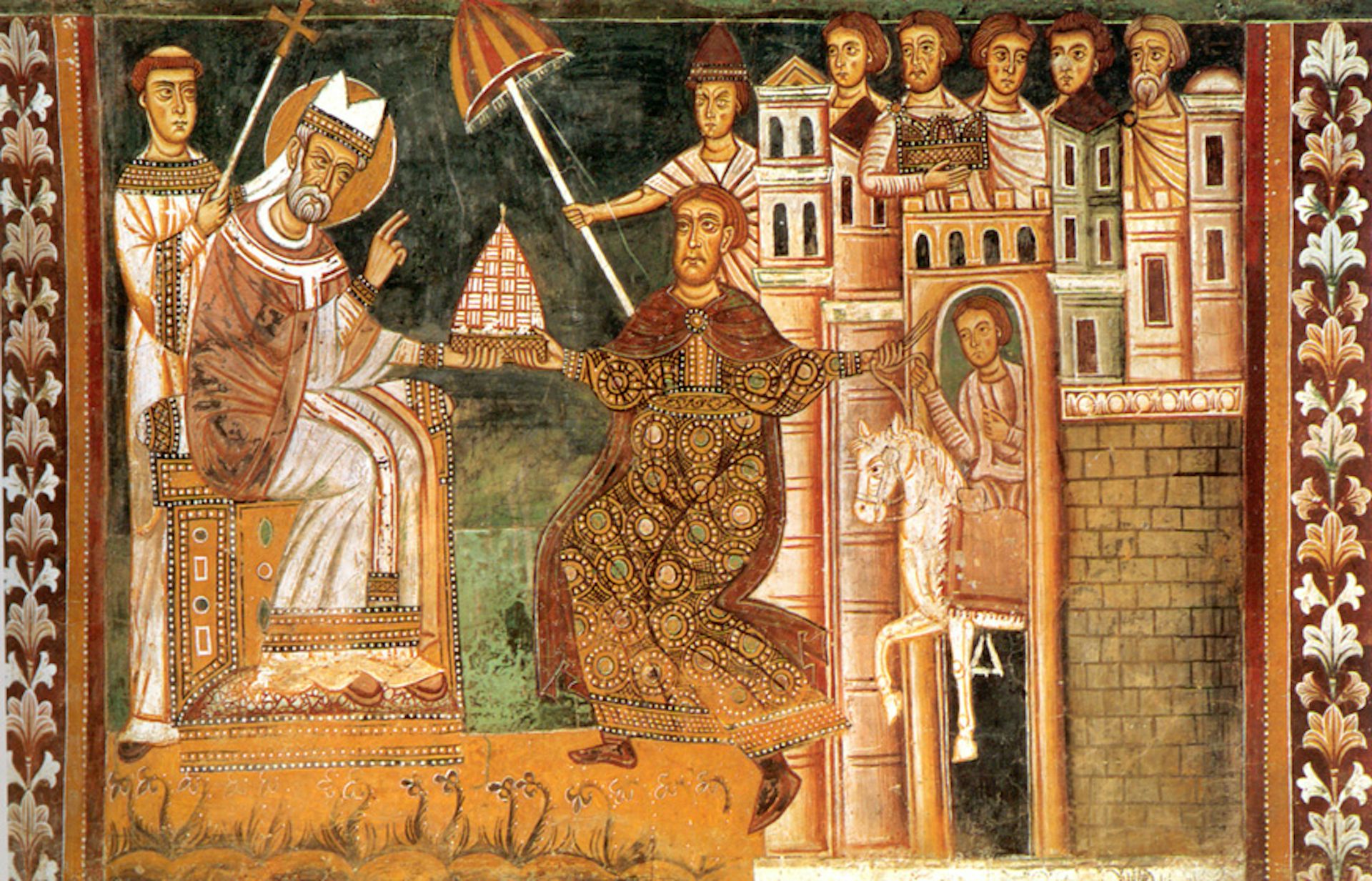
The medieval world had its own ‘deepfakes’ – church officials cited a fake imperial decree for centu
The forged document was used as leverage to try to expand papal control throughout the Italian peninsula.