
El Niño threatens health, too – early warnings done right can save lives
Weather warnings can help save lives by providing advice people can act on before, during and after a disaster.

As communities around the world shore up their infrastructure in anticipation of one of the most powerful El Niños on record in late 2026 and early 2027, they need to think about rising health risks, too – and include them in early weather warnings.
El Niño is part of a natural climate phenomenon that shifts global weather patterns for months at a time. During El Niño years, global temperatures tend to rise, triggering heat waves; normally dry regions can be hit with flooding rainfall; and normally wet regions often face droughts. All carry serious health risks.
In southern Africa, for example, forecasters are warning of a rising risk of severe drought that could affect the 2026-27 growing season in key farming regions. At the same time, wetter-than-normal conditions in the Horn of Africa raise the risk of flooding and mosquito-borne disease outbreaks there.
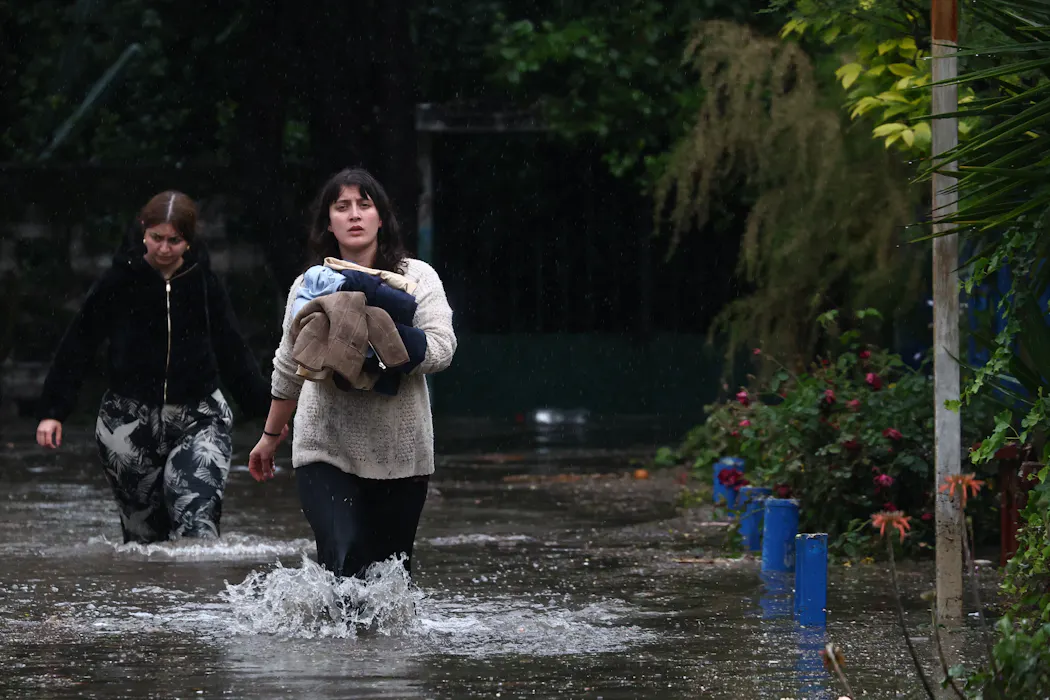
Dry conditions in Southeast Asia are already fueling wildfires and sending water supplies falling. October downpours in Chile triggered mudslides that left a mess for people to clean up in homes and yards.

In the United States, the South tends to be wetter than normal during El Niño years; drought is more likely in the Northern Plains; and storms can be fierce, particularly along the Pacific Coast.
As researchers in psychology, global health and Earth system science, we study how environmental disruptions affect people’s health and their ability to respond.
To protect the population, communities need plans that keep care accessible and weather warnings that provide advice people can act on before, during and after a disaster.
When extreme weather becomes a health emergency
The health consequences of extreme weather events often extend beyond the immediate hazard.
For example, research has linked exposure to flooding, wildfire and ecosystem changes with elevated risks of illnesses, psychological distress and chronic stress.
Floodwater can lead to infections, such as hepatitis, cryptosporidium and fungal diseases, as well as longer-term health damage through exposure to harmful environmental microbes, chemicals and an increase in disease-carrying vectors such as mosquitoes.
Drought can lead to poor air quality and, in some places, malnutrition.

Disasters can also keep people from getting essential healthcare, disrupt their livelihoods and displace them from their homes and social networks.
The threat of a changing, potentially unsafe environment can also increase anticipatory, long-term distress. The World Health Organization identifies anxiety and post-traumatic stress as mental health consequences of extreme weather-related hazards. We believe mental health counseling services also belong in communities’ preparedness and recovery plans, not as an optional add-on after addressing physical needs.
Vulnerable populations face even higher risks
For people with existing illnesses or in areas far from medical care, extreme weather brings additional risks. These individuals and healthcare systems benefit from early warnings about El Niño’s disaster risks that help them prepare well in advance.
At least 2.5 million Americans rely on in-home electricity-powered medical equipment, such as oxygen concentrators and ventilators, including nearly 78,000 who receive dialysis at home to help their kidneys function. When the power goes out or water is disrupted, they risk losing use of what may be life-sustaining equipment.

Distance compounds these risks. Many communities around the world don’t have local clinics. Rural Americans live an average of 10.5 miles (17 kilometers) from the nearest hospital, and for 1 in 4 rural residents, the trip takes more than 30 minutes on average – before a single road floods. During Hurricane Harvey in 2017, flooding limited access to Houston’s second-busiest hospital for five days. The most extensive disruptions were in lower-income and minority neighborhoods.
With advanced warnings, community organizations and healthcare providers preparing for El Niño can contact people with health vulnerabilities early to arrange backup power supplies and help them prepare so they know what to do when disasters do strike.
How to turn forecasts into protection
A good weather warning doesn’t just name the threat. It also provides information that residents can act on to stay safe through the disaster and the recovery afterward.
Communities do not need to wait until a disaster is building to begin preparing. Existing community emergency plans, patient outreach programs and social networks provide a starting point for steps that help.
First, communities can identify where disruptions could become public health emergencies.
State departments of health and other social services can combine regional weather outlooks with local information about areas facing the highest risks, including the health impacts of water exposure on homes, guidance for avoiding polluted floodwaters and evacuation routes.
Community organizations can help identify individuals and neighborhoods that may face language barriers and ensure they receive lifesaving alerts and information they can understand.
Second, it’s important to protect continuity of clinical care for patients during disasters.
Health systems and public health departments can coordinate with health providers in hospitals, pharmacies and home health services to identify people who depend on regular medical appointments or transportation and ensure they can still receive care.
In practice, this may be providing flexible scheduling options, organizing alternative means of transportation or identifying alternative care locations that may be more accessible.
Third, weather warnings can be most useful when they provide information people can act on, such as where to find food, transportation or mental health support.
Many local and state emergency services already work to educate the public about storm risks ahead. They can do more by also telling residents where they can find safe water and food, how to limit exposure to chemicals or disease vectors, how to store medicine safely, and whom to contact for transportation, shelter or mental health support.
Information that is specific enough to use and relevant to the community can save lives.
Preparation is preventive care
Because signs of the coming weather shift can be detected months in advance, El Niño forecasts offer something that immediate storm forecasts can’t: extra time to identify these health risks, secure medical care for the months ahead and prepare so warnings are useful to residents.
When warnings pair information about the risk with practical actions and local resources, they can empower people rather than leaving them feeling helpless in the face of a disaster.
The authors do not work for, consult, own shares in or receive funding from any company or organization that would benefit from this article, and have disclosed no relevant affiliations beyond their academic appointment.
Read These Next
What is ‘food is medicine?’ – 2 experts explain this decades-old approach to healthcare that is taki
Food is medicine aims to help patients prevent or manage chronic illnesses by eating food that supports…
Extreme weather risk is scaring big corporations away from poorer countries – that hurts the compani
When floods, heat waves and other climate disasters cost companies money, the results can shape their…
Despite intense Islamophobia, Abdul El-Sayed and dozens of other Muslims elected representatives are
Three political scientists found that visible Muslim representation can make public institutions seem…