To control weeds in your garden, late summer and early fall is the best time to make a difference
What gardeners do at the end of the growing season will determine how clean, productive and manageable their garden beds will be when spring arrives.

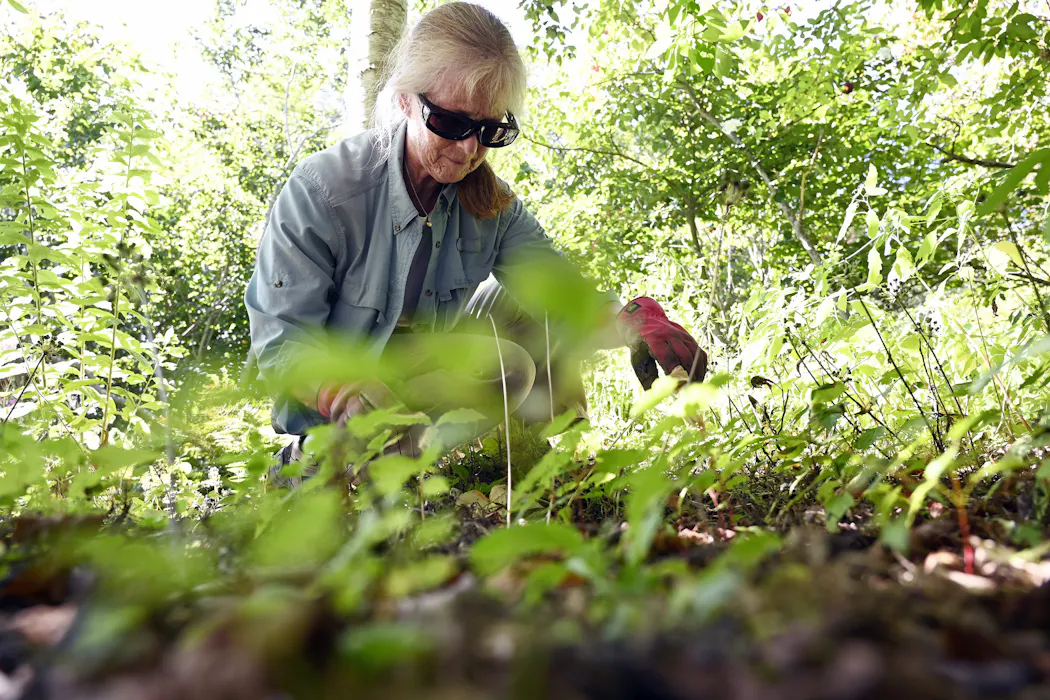
As late summer fades into early autumn, garden care shifts from active harvesting to preparation and planning for the next growing season. Weeds can feel like an overwhelming management task as the summer species burst into flower and spread seeds.
However, late summer and early fall is the single best time for weed control that lasts year-round. What gardeners do at this time of year will determine how clean, productive and manageable their garden beds will be when spring arrives.
As a professor of horticulture who is involved in teaching gardening skills to commercial gardeners and homeowners, here’s what I recommend for weed management during that time period:

1. Manage late-summer weeds
The immediate priority is stopping mature late-summer weeds from reproducing. A single mature crabgrass or dandelion plant can drop thousands of viable seeds that lie dormant in the soil for years.
If time is limited, prioritize cutting off seed heads and flower structures. Late-summer and early fall weeds typically feature fingerlike grass spikes, papery composite daisylike heads, or dense, spiked seed clusters. Mowing or shearing off blooms before they set seed halts the next generation.
Annual weeds, such as crabgrass, purslane and pigweed die with the first hard frost. So your main objective is preventing them from spreading their seeds. Slice them off at or just below the soil line with a hoe. That will kill them without disturbing deep soil layers, which carry nutrients and feed the roots of the plants you want to keep in your garden.
Perennials, such as dandelions, field bindweed, ground ivy and thistles all survive the winter by storing energy reserves in deep taproots or horizontal rhizomes. Pull or dig these out completely while the soil is moist, ensuring you extract the whole root system.
Never leave uprooted perennials directly on bare soil while waiting to bag them; species such as bindweed or field horsetail can quickly reroot overnight in moist soil.
Remember to wash or wipe down spade blades and hoe edges after working in heavily infested beds, so that you are not transporting creeping root fragments – like quackgrass rhizomes and nutsedge tubers – to weed-free soil.
You can also attack perennials with herbicides or organic weed-killing chemicals. In late summer and early fall they begin moving carbohydrates down into their root systems for winter storage. If you spray those plants during that period, they will naturally carry those chemicals deep into their root networks. That is much more effective at killing roots than applying weed killer in the spring.
When disposing of cut or uprooted weeds, especially if they have seeds or are perennials, don’t put them into your home compost pile. Standard backyard composting rarely reaches temperatures high enough to destroy weed seeds or persistent rhizomes. Instead, seal them in a dark plastic bag and bake them in direct sun for a few weeks to kill all seeds and roots before trashing them, or send them to a commercial or municipal composting facility.

2. Disrupt winter annual germination
Just as there are summer weeds, there are winter weeds, too. Chickweed, henbit, hairy bittercress, dead nettle and shepherd’s purse all germinate in late summer and early autumn. They pass the winter as low-lying rosettes, waking up early in spring to flower before the crops are planted.
Keep an eye out for tiny seedlings sprouting in bare soil during late September and October. Rake or surface-hoe them while they are small and easy to disrupt.
Applying organic controls such as corn gluten meal in late August to early September is another option to suppress winter annual seeds without using synthetic chemicals.

3. Prepare and protect garden beds
Exposed, unplanted soil invites weed seeds to take root. To prepare beds for winter, cover bare earth to deprive weeds of light, moisture and space to grow.
Minimize fall tilling. Digging and overturning soil can bring buried, dormant weed seeds to the surface layer, where autumn rains and sunlight can get them growing.
In vegetable gardens after harvest, sow quick-growing cover crops such as field peas. The living mulches build root structure by deeply penetrating compacted soil, prevent erosion by physically binding soil particles with roots and softening raindrop impact with surface foliage, and outcompete opportunistic weeds by utilizing moisture, nutrients and light for their growth.
For bare soil or areas heavily infested with persistent weeds, apply a 2- to 3-inch-thick layer of organic mulch directly over the bare soil. This barrier smothers dormant weed seeds and breaks down into rich soil by spring. The fallen autumn leaves can be left in the garden to serve as a carbon-rich winter cover that suppresses weeds just as effectively as wood bark mulch.
Spending time pulling weeds in the fall and preparing your garden for winter can help eliminate the spring weed explosion before it starts. By stopping seed production and protecting exposed soil, you can ensure healthier crops, weed-free beds and significantly less labor next season.
Manjot Kaur Sidhu is affiliated with University of Maine, Orono, ME.
Read These Next

These state supreme court races could decide abortion access and trans rights
Ohio, North Carolina and Michigan have open seats on their state supreme court, and these hotly contested…

Why your boss matters more than remote or hybrid work when it comes to burnout and job satisfaction
A return to the office can mean very different things to different workers, which is why this debate…

AI can help with academic research but doesn’t always get it right – here are some tips to check the
AI is quickly changing. These tips from university librarians can help people keep pace with the shifts…