Small businesses at the gateways to America’s national parks face 4 big risks – including changing b
Policy changes, climate disruption, staffing shortages and housing costs are reshaping the risks of owning or starting a gateway business.

A record 332 million people visited U.S. national parks in 2024, followed by roughly 323 million in 2025.
That’s a lot of love for national parks and lands. You might think that such big numbers of visitors automatically create windfalls for the towns and businesses that serve them. The National Park Service calls towns or counties within roughly 60 miles (about 100 kilometers) of a park boundary “gateway” communities. Gateway businesses operate in those jurisdictions.
Gateways are like the Main Street of the parks, which depend on them to lodge, feed and guide visitors. Generally speaking, stable business conditions mean less risk for businesses and a healthier Main Street.
Nationally, visitors spent a record US$29 billion at the parks themselves and $56 billion for lodging, gas, groceries and other goods and services in gateway communities. That supported about 340,100 jobs nationwide in 2024, the most recent year for which that data is available.
I research Main Street businesses, and I co-owned a company for more than two decades that manufactured oars and paddles. In the summer I live close to Maine’s Acadia National Park, where businesses in the gateway town of Bar Harbor say they’re having an off year in 2026.
And I’m concerned that gateway businesses face at least four main risks not seen in a typical Main Street ecosystem: Park boundaries can change and with them the gateway’s vicinity; park strategies to manage the surge in visitors can make the flow of customers more unpredictable; bouts of extreme weather and their local effects are growing more common; and workers who might get jobs at gateway businesses are being priced out of nearby housing.
Singly and together, these risks create a distinct category of challenge for this type of Main Street business.
Changing boundaries
First, a park’s boundaries can change.
A gateway economy and businesses in it, like a guide outpost or small hotel, can certainly benefit measurably from its proximity to protected park lands, as Headwaters Economics, an independent research firm, has found. But businesses built around those places can suffer setbacks when the boundaries themselves change.
That is what happened on July 13, 2026, when President Donald Trump signed proclamations shrinking by about 90% the size of Utah’s Grand Staircase–Escalante, created by President Bill Clinton in 1996, and Bears Ears, created by President Barack Obama in 2016. Both have seen their boundaries repeatedly redrawn. They were, briefly, fully restored by the Biden administration.
The Trump administration said it was able to do this because the 1906 Antiquities Act allows presidents to modify the footprint of a national monument – although there is significant legal disagreement about this point – and by extension where the gateway is, because national monuments sometimes eventually become national parks.
Rules in flux
Second, growing numbers of visitors pose a risk because attempts to manage congestion may alter access, timing and travel patterns in ways that disrupt gateway businesses.
Depending on the source of congestion – vehicles, bicycles, hikers – the National Park Service deploys different strategies in a series of locally based experiments that can be reversed.
In recent years it has eliminated, changed or reinstated many of its long-standing reservation systems with little warning. Yosemite, for example, has flipped its policy four times since 2020, and when it dropped reservations in 2023, wait times reportedly stretched to nearly three hours at entrance stations before the system was reinstated the next year.
Another example is when the National Park Service abruptly ended in 2026 four years of timed-entry reservations at Arches and Canyonlands.
The result is either increased congestion or more unpredictable park access. And it is left to gateway businesses to roll with the fallout.
Kai Palmer, co-owner of the Moab guiding company Desert Highlights, told The Times-Independent, a local newspaper, he worries that paying guests could now show up for a half-day tour and lose over an hour of it waiting in line, or get turned away entirely. These fears have come to pass in many national parks.
Extreme weather
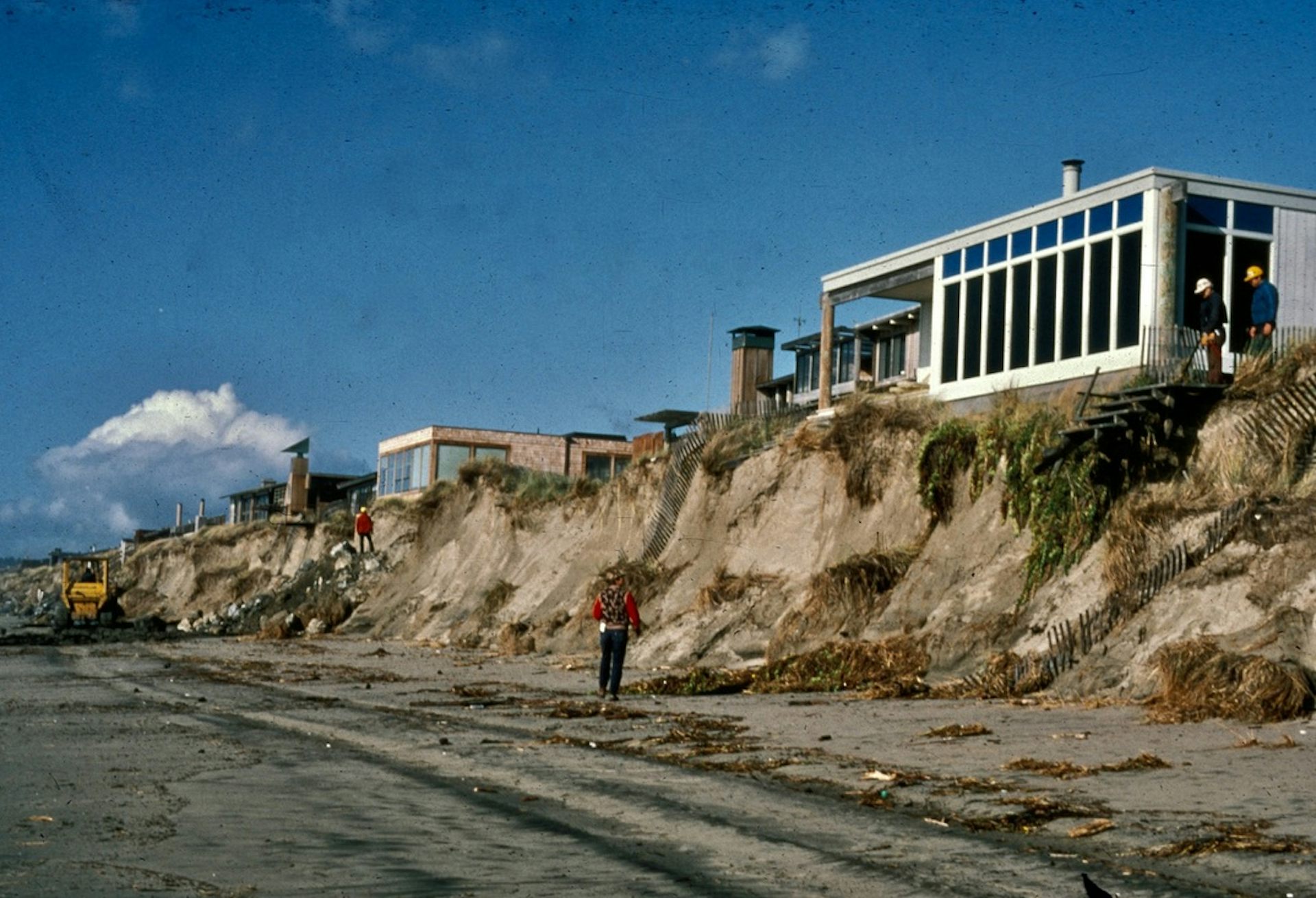
Third, the increased frequency of bouts of extreme weather, which is tied to climate change, increases the risks gateway businesses face.
For example, Colorado’s Black Canyon of the Gunnison National Park closed entirely in July 2025 for the first time in its 90-plus-year history.
The cause? A lightning-sparked wildfire tore through the South Rim, and campground reservations were canceled for the rest of the year. The park and its adjoining Curecanti National Recreation Area in 2025 had drawn 1.3 million visitors who spent $25.6 million in nearby communities.
In the Yellowstone Park gateway towns of Gardiner and West Yellowstone, Montana, drought and rising water temperatures in 2025 and 2026 have repeatedly triggered conditions that closed access to guided fishing.
The 2022 flood that washed out Yellowstone’s North Entrance road showed how sudden and lasting that damage can be: Jeannette Mikos, owner of the Yellowstone Basin Inn in Gardiner, told the Cowboy State Daily, a local media outlet, that she lost roughly $480,000 that year.
The road was not reopened until October 2022, after the peak tourist season had ended.
Compounding weather-related risks are the up-front, fixed costs of permitting and insurance to the businesses before the season starts. The roughly 15,000 outfitters and guides under permit on federal lands typically are very small businesses that depend on steady bookings.

Housing shortages
Fourth, the high cost of living in gateway communities reduces the number of workers available to staff gateway businesses.
There isn’t enough affordable housing for workers employed by gateway businesses near Acadia and other national parks. That shortage can strain those enterprises.
Headwaters Economics points to the paradox of what it calls an “amenity trap.” The unparalleled natural beauty and the allure of an active lifestyle draw many second-home buyers and drive the conversion of permanent housing stock to short-term rentals.
Parks often face limited buildable land due to natural boundaries, such as at the island-based Acadia National Park. That constraint contributes to the housing crises afflicting these seasonal recreation areas.
More than 1,000 workers put up with a 90-mile (about 145-kilometer) round-trip daily commute to Zion National Park from towns such as St. George, beyond the gateway town of Springdale, because there’s nowhere closer for them to live.
How long the trip can take varies depending on traffic, as Zion draws more than 17,000 visitors daily at peak season and over 4 million per year.
Meanwhile, in Jackson Hole, Wyoming, more than half of local businesses have cut their hours, closed for more days than planned or scaled back services due to staffing shortages that are at least partly caused by the shortage of affordable housing.
Historically, gateway businesses faced risks that were comparatively familiar and cyclical and tied to standard seasonal tourist traffic and traditional market challenges. The recent confluence of record visitor volume, fluctuating boundaries, climate anomalies and staffing shortages is fundamentally increasing the risks of owning, acquiring or starting a business in a gateway economy.
All told, this is transforming gateway entrepreneurship into a high-stakes balancing act.
Nancy Forster-Holt does not work for, consult, own shares in or receive funding from any company or organization that would benefit from this article, and has disclosed no relevant affiliations beyond their academic appointment.
Read These Next
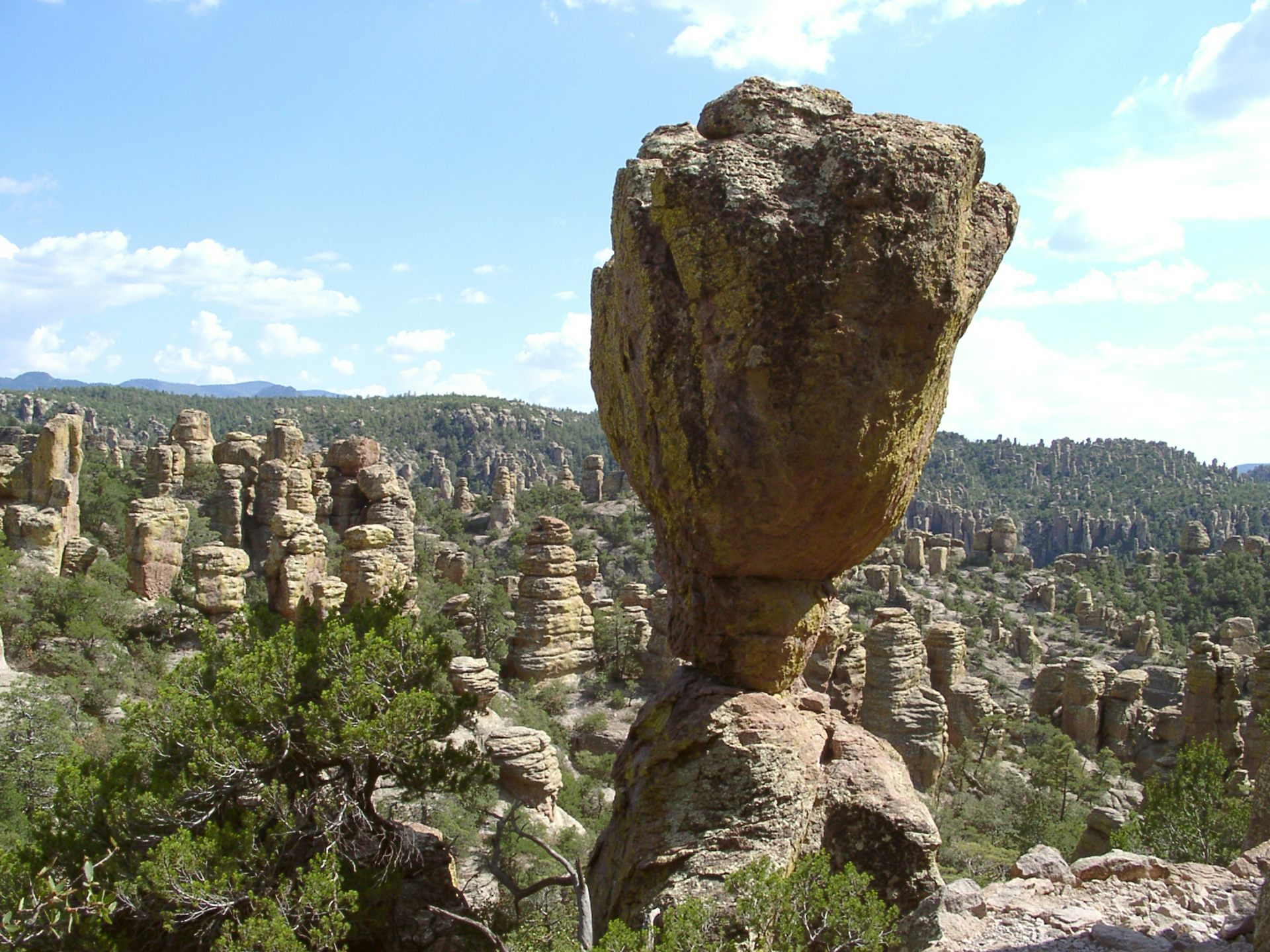
Chiricahua is the nation’s newest national park – what does that mean?
What comes next for Chiricahua, now that is has been officially redesignated as America’s 64th national…

An AI model’s false tip to Philadelphia police reveals how digital agents can do as they’re told and
An expert on AI governance explains why these rare mistakes may soon be common, and with much higher…

Offering cash for votes is quite common – but here’s why it doesn’t work
Money or other material benefits are often not enough to override a voter’s preferences and partisanship.