LA fires showed how much neighborliness matters for wildfire safety – schools can do much more to te
Managing fire risk is about more than regulations and rules. It’s also about caring for neighbors and taking steps on your own property and in your community to help keep neighbors safe.

On Jan. 7, 2025, people across the Los Angeles area watched in horror as powerful winds began spreading wildfires through neighborhood after neighborhood. Over three weeks, the fires destroyed more than 16,000 homes and businesses. At least 31 people died, and studies suggest the smoke and stress likely contributed to hundreds more deaths.
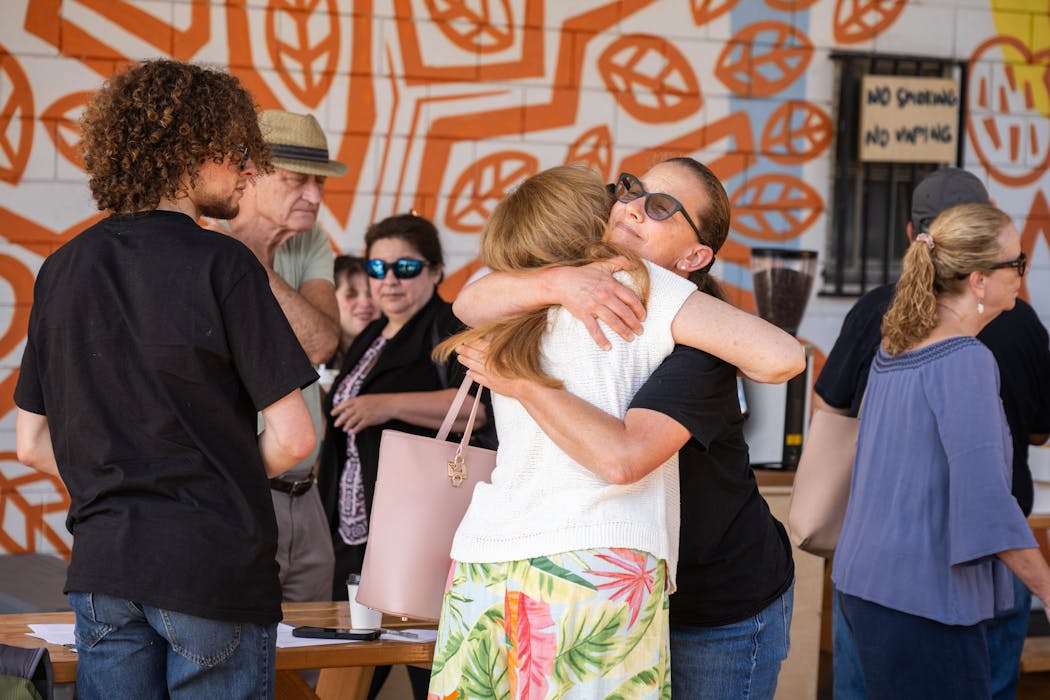
For many of us who lived through the fires, it was a traumatic experience that also brought neighborhoods closer together. Neighbors scrambled to help each other as burning embers started spot fires that threatened homes. They helped elderly and disabled residents evacuate.

As the LA region rebuilds a year later, many people are calling for improvements to zoning regulations, building codes, insurance and emergency communications systems. Conversations are underway about whether rebuilding in some locations makes sense at all.
But managing fire risk is about more than construction practices, regulations and rules. It is also about people and neighborliness – the ethos and practice of caring for those in your community, including making choices and taking steps on your own property to help keep the people around you safe.

As LA-area residents and historians who witnessed the fires’ destruction and have been following the recovery closely, we believe building a safer future for fire-risk communities includes increasing neighborliness and building shared knowledge of the past. Much of that starts in the schools.
Neighborliness matters in community fire safety
Being neighborly means recognizing the connectedness of life and addressing the common good, beyond just the individual and family network.
It includes community-wide fire mitigation strategies that can help prevent fires from spreading.
During the Southern California fires, houses, fences, sheds, roofs and dry vegetation served as the fuel for wind-blown fires racing through neighborhoods miles away from forested land. Being neighborly means taking steps to reduce risks on your own property that could put your neighbors at risk. Following fire officials’ recommendations can mean clearing defensible space around homes, replacing fire-prone plants and limiting or removing burnable material, such as wood fencing and sheds.

Neighborliness also recognizes the varying mental health impacts of significant wildfire events on the people who experience them. Being neighborly means listening to survivors and reaching out, particularly to neighbors who may be struggling or need help with recovery, and building community bonds.
Neighbors are often the first people who can help in an emergency before local, state and federal responders arrive. A fast neighborhood response, whether helping put out spot fires on a lawn or ensuring elderly residents or those without vehicles are able to evacuate, can save lives and property in natural disasters.
Fire awareness, neighborliness start in school
Community-based K-12 schools are the perfect places for learning and practicing neighborliness and providing transformative fire education.
Learning about the local history of wildfires, from the ecological impact of beneficial fire to fire disasters and how communities responded, can transform how children and their families think about fires and fire readiness.
However, in our view, fire history and safety is not currently taught nearly enough, even in fire-prone California.

California’s Department of Education Framework and Content Standards for K-12 education offer several opportunities to engage students with innovative lessons about wildfire causes, preparedness and resilience. For example, fourth grade history and social science standards include understanding “how physical environments (e.g., water, landforms, vegetation, climate) affect human activity.” Middle school science standards include mapping the history of natural hazards, though they only mention forest fires when discussing technology.
Schools could, and we believe should, include more fire history, ecological knowledge and understanding of the interconnectedness of neighborhoods and neighbors when it comes to fire safety in those and other classes.
Elementary schools in many states bring in firefighters to talk about fire safety, often through programs run by groups like the California Fire Prevention Organization. These efforts could spend more time looking beyond house fires to discuss how and where wildfires start, how they spread and how to make your own home and neighborhood much safer.
Models such as the U.S. Fire Administration’s collaboration with Sesame Workshop on the Sesame Street Fire Safety Program for preschool kids offer examples, blending catchy phrases with safety and science lessons.
Including knowledge from Indigenous tribal elders, fire management professionals and other community members can provide more robust fire education and understanding of the roles people play in fire risk and risk reduction. Introducing students to future career pathways in fire safety and response can also help students see their roles in fire safety.
As LA recovers from the 2025 fires, fire-prone states can prepare for future fires by expanding education about fire and neighborliness, and helping students take that knowledge home to their families.
Remembering, because it will happen again
Neighborliness also demands a pivot from the reflexive amnesia regarding natural and unnatural disasters to knowing that it will happen here again.
There’s a dangerous, stubborn forgetfulness in the vaunted Land of Sunshine. It is all part of the myth that helped make Southern California such a juggernaut of growth from the late 19th century forward.
The region was, boosters and public officials insisted, special: a civilization growing in the benign embrace of the environment. Anything grew here, the endless Los Angeles Basin could absorb everyone, and if there wasn’t enough water to slake the thirst of metropolitan ambitions, engineers and taxpayers would see to it that water from far away – even very far away – would be brought here.
The Southland is beautiful, but a place can be both beautiful and precarious, particularly in the grip of climate change. These are lessons we believe should be taught in K-12 classrooms as an important step toward lowering disaster risk. Living with fire means remembering and understanding the past. That knowledge, and developing more neighborly behavior, can save your life and the lives of your neighbors.
Elizabeth A. Logan receives funding from the Sierra Nevada Conservancy and the WHH Foundation.
William Deverell receives funding from the Sierra Nevada Conservancy and the WHH Foundation.
Read These Next
Why ultra-Orthodox parties hold so much sway in Israeli politics
Ultra-Orthodox Jews, often called Haredim, make up a small but growing percentage of Israel’s population.…
Fear-based campaign ads can grab attention, but whether they win votes is less clear
Political campaigns often use fear to play on voters’ existing prejudices and stereotypes. What that…

Surviving cancer starts at diagnosis and continues after treatment – earlier survivorship care can h
Cancer survivorship is often thought to begin after a patient receives their last treatment. But planning…