How I rehumanize the college classroom for the AI-augmented age
A writer instructor recognizes the role of AI on campus, while elevating social connection and humanity into the college experience.

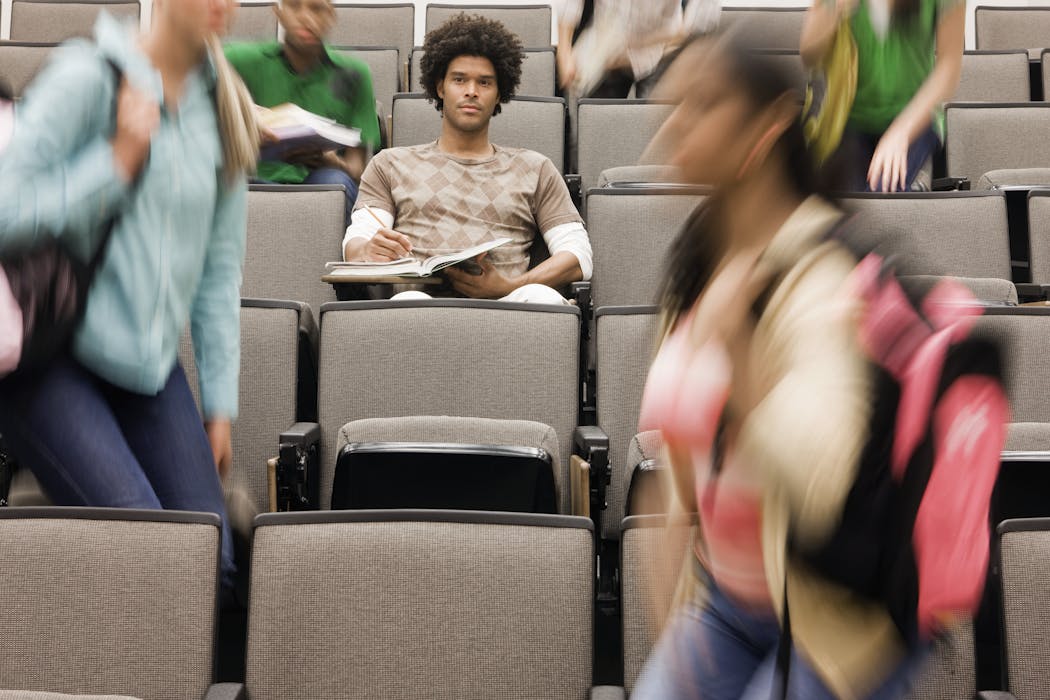
It’s week one of the semester, the first day of class: 20 students, mostly freshmen, sit silently waiting for our English 101 Writing Composition class to begin. Most have one AirPod in listening to whatever their Spotify AI DJ thinks they want to listen to; some scroll past AI-selected ads for drop-shipped fast fashion. And then someone who has forgotten to silence their phone opens TikTok and the 6-7 second sound blares. They hurriedly close the app, no apology, not even a half-hearted laugh from their classmates.
Welcome to the contemporary college classroom.
I am a college professor working at the intersection of humanities and artificial intelligence, and yes, I believe the latter not only threatens to devalue college, but it also risks stripping humanity from our lives altogether.
It doesn’t have to be this way. AI automating away parts of work and life challenges the next generation of the workforce to re-instill the importance of interpersonal social skills, and I see the college classroom as the ideal place for this rehumanization to take place.
Here’s my framework for building a classroom centered around student socialization. The goal: Equip students with the vital human skills needed in the AI-augmented workforce.
Target: Bring humanity to work
Young adults sit in college classes fully aware that an AI-infused workplace is just on the other side of graduation. But they – and everyone else – have little idea how best to prepare for it.
How to make this work for today’s college students? Known for the infamous Gen Z stare, having their faces glued to their screens, and their fidgeting, doomscrolling thumbs, Gen Z has been pegged as the generation that lacks the social skills needed to succeed in an AI-augmented workforce.
To me, this represents a clear tension between the young adults they are and the adults they need to be.
It’s easy for my rhetoric to give off “kids these days” vibes. But I’m a young millennial. Which is to say, I too don’t know what to do with my hands at dinner parties and have to make a conscious effort to maintain eye contact.
Simply put: I teach what I wish I would have been taught.
Shifting the mentality of the classroom
In the college classroom, it’s all too easy to talk at the students for 90 minutes – to just be a professor with a slide deck who tosses in a few canned jokes that you know work because you’ve already said them a dozen times. Time passes, and you hear the next class waiting outside the door.
“All right, y'all,” you say. “Let’s get outta here.”
The students dash off to their dorm rooms or dining hall, and wait to do the homework until midnight. You wait a few weeks too long to grade it – also at midnight, right before midterm grades are due – like two digital ships passing each other in the moonlight.
Instead, I offer a different mindset: The classroom is not some intermediary between two computers – the assignment creator and the assignment doer, which only serves to build an “us versus them” mentality between student and professor.
Rather, it’s us together in the battle against the midterm or final exam.
“OK, that sounds great, random guy on the internet,” I hear you say from the other side of the screen. “But how?”
Small social interactions
We academics like to use fancy words phrases like “student-centered classroom” or “student-driven approach.” What this means for me is simple: I constantly interact with the students and make social interactions integral to the classroom experience.
I used to hear professors brag about knowing each of their students’ names, so I made it a priority to do the same. But now I don’t think that’s enough. Instead, I’m asking the frat bros-future-businessmen and the honors-society-students-soon-to-be-doctors to get to know each other as peers and future colleagues.
As I shuffle into class and try to remember if I capitalized my first pet’s name as I log into the computer, I simply ask students to tell each other: What was the most challenging question on the homework? What did you do this weekend? And more importantly, what did you wish you did?
At the end of class, I give five minutes for students to plan out when they’re going to complete the homework, and then I have them talk to the person next to them about it.
These conversations often lead to friendships formed over common struggles: Alex would love to do his English paper tonight but has to study for his bio test, and Professor Smith’s exams are the worst. As luck has it, James is also in the lecture. “Man, you’re in the class too? Where do you sit? Professor Smith talks way too fast!”

Centering the importance of public speaking
Sure, in my writing-intensive classes we turn in term papers, they get grades, and yes, some students use AI. That’s all fine and well, but that’s not the important part. Instead, I’m interested in students knowing the material well enough to articulate it to the group – well enough to tell us why the subject matters to them, to us and to the world at large.
So we spend a week where students give a short 5-10 minute presentation on their work. “Tell us why fast fashion is destroying the planet. Tell me why we need to care more about the future of pork and factory farming practices.”
And for those brief moments of positive peer pressure as the students stand at the front of the class, it doesn’t matter that ChatGPT helped with the commas, did the googling or even wrote the entire conclusion because “I was just getting too tired.” What matters is the students’ ability to look a group of 20 peers in the eye and bring the private work of thinking, writing and sometimes even chatbot-prompting into the public sphere.
The point isn’t whether students used AI to compose the words; it’s whether the ideas feel like they originate from the person behind the words. Whether they’ve wrestled with them long enough to know what they’re trying to say. If ChatGPT helped them get there, fine. What matters is what they did after. Did they question it? Did they revise it? Did they decide it wasn’t quite right and try again?
That’s the work I care about. To me, it’s the difference between turning something in and actually turning something over — in your mind, in your hands, to the people around you. That’s what makes it real. What makes it theirs. What makes it college.
Back in the classroom …
It’s week 12. I just sent my students off into a small-group discussion on “the value of adapting AI-augmented practices into your daily life.” Five minutes go by. “All right, y'all, let’s bring it back in.” But no one stops talking.
And in that small moment as I pull my phone out to play the Snapchat notification sound, Rizzlord soundtrack or whatever the sound meme of the day is to get their attention, I know I’ve done my small part as an educator: teaching students how to be human again.
Sean Cho Ayres does not work for, consult, own shares in or receive funding from any company or organization that would benefit from this article, and has disclosed no relevant affiliations beyond their academic appointment.
Read These Next

Surviving cancer starts at diagnosis and continues after treatment – earlier survivorship care can h
Cancer survivorship is often thought to begin after a patient receives their last treatment. But planning…

Indian Gen Z ‘cockroach’ protesters aim to upend assumptions about democracy – and populism – in Mod
The protests challenge the government’s view of who “the people” are, what democracy means, and…

Are transgender sports bans really about protecting women? Survey data tells a different story
In a recent national survey, Americans with the most negative views of women were the biggest proponents…