Getting a big head start on holiday shopping can benefit retailers and consumers alike
But before you buy gifts long before you plan to give them away, be sure to read vendors’ fine print and get familiar with their return policies.

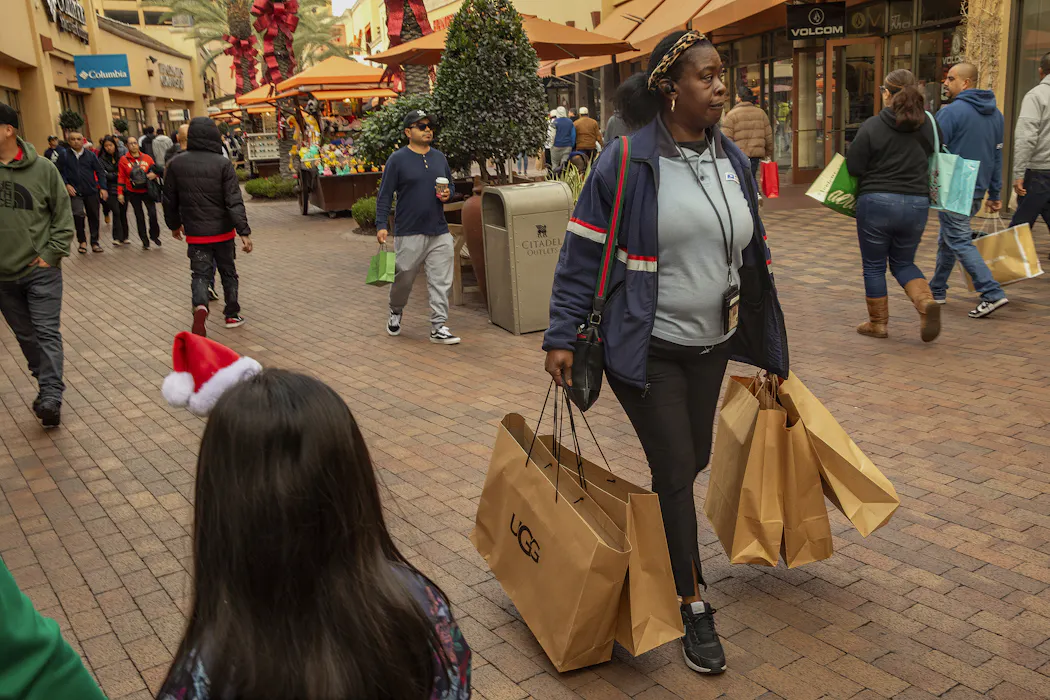
Amazon, Costco, Target, Walmart and other retailers begin their holiday sales as early as October.
But there’s no need to rush to buy wool scarves, fuzzy throw blankets and the other holiday gifts on your list the second you spot some tinsel while shopping.
As a finance professor who studies how people and companies make financial decisions, I can explain why the holiday shopping season starts so early: It can help retailers attract more customers while allowing cash-strapped shoppers to stretch purchases out across multiple paychecks. And, for people with deeper pockets, buying gifts early can help them avoid the stress that goes with last-minute shopping.
Why retailers get such an early start
Estimates for spending on holiday gifts, decor and the like between late 2026 and January 2027 range from about US$1 trillion to $1.7 trillion in the U.S.
Some 29% of Americans plan to shell out their share of those large sums in early to mid-December this holiday season, while 17% will shop on Black Friday, the day after Thanksgiving, according to the Bank of America Holiday Spending survey.
But many people like to shop for holiday gifts early – meaning before Halloween. Some do this out of necessity: They can’t afford to buy all the gifts they want to give unless they spread the cost over multiple paychecks.
For others, it’s more of a preference. In a 2025 survey, about 54% of early shoppers said they want to manage their budgets gradually. In addition, 41% said they buy gifts early to avoid the stress associated with last-minute shopping.
Retailers are adjusting by getting an early start on holiday sales and promoting seasonal items. By offering customers deals months before gift-giving commences, they can encourage even more people to join the early birds.
And by launching promotions in October, they might secure sales that otherwise would go to their competitors later in the season.
A longer selling season offers other advantages to retailers. It may ease pressure on their supply chain and logistics, since they can receive seasonal orders over three months instead of one or two. This minimizes shipping difficulties and lowers warehouse overhead costs.
Building more time into the calendar to move seasonal inventory gives retailers more opportunities to sell those items. However, an earlier shopping season does not necessarily increase consumer spending overall. Some purchases may simply shift from December to October.

Beware of some early-shopping pitfalls
To make sure that buying gifts long before the holidays occur is a wise move, early shoppers should read vendors’ fine print and research their return policies.
Many big retailers are making their return policies more restrictive by shortening the length of time you can return purchases and adding return/restocking fees.
In some cases, the deadline you face for returning an item could fall before the holidays. For example, Best Buy’s extended policy takes effect in 2026 only for purchases made on or after Oct. 30. Target similarly restricts its holiday-season returns window to items bought on or after Nov. 1.
Amazon extended its holiday return policy in 2026. If you buy an item from Nov. 1 to Dec. 31, it can be returned until Jan. 31, 2027, except for Apple products, which can be returned until Jan. 15. Anyone who bought gifts beforehand will likely be subject to a standard 30-day return policy, which will expire long before Christmas.

When buying early makes financial sense
Shopping early is smart when the costs of waiting could outweigh the potential benefits of spending your money earlier than otherwise necessary.
For example, if a popular wool scarf that was priced at $100 in October is out of stock on Amazon by November, the supply is gone, but demand remains high. If you want to buy it for your mom and ensure it arrives in time, you may need to get it from other retailers. Maybe you can find the scarf on a website but is selling for $150. If time has run out, you might have to pay, say, $30 more for expedited shipping, bringing the total to $180. Clearly, you would have been better off buying it early on at a lower price.
But that doesn’t mean you necessarily need to rush to buy a gift weeks or months ahead of when you’ll be placing it under a tree. First make sure that the price is in line with your expectations and what you’re willing to shell out.
And you should do some comparison shopping to make sure other retailers aren’t charging less for the same or similar items.
Remember, waiting to do your holiday shopping until the last minute can lead to unnecessary costs, like rush shipping fees. The key is to have a budget, recognize when the price is right, and know when to stop shopping.
James Malm does not work for, consult, own shares in or receive funding from any company or organization that would benefit from this article, and has disclosed no relevant affiliations beyond their academic appointment.
Read These Next

Not in a FEMA flood zone? Your home could still be at risk – and you could suffer more than your nei
Your home’s true flood risk is far more complex than FEMA flood maps reflect.

Disaster aid has become a political lottery – libraries, schools and places of worship are stepping
Libraries, synagogues, parks and local businesses are becoming the real front line of recovery.

Students who attended Miami-Dade public school pre-K outperformed peers in 18-year study
A new longitudinal study followed kids from pre-K through grade 12 and found that those who attended…