
New restrictions on purchases with SNAP benefits in some states mean fewer convenience stores are ac
Stores in waiver states may need to update their checkout systems and train employees to prevent purchases that are no longer allowed with SNAP benefits – potentially a big burden for retailers.

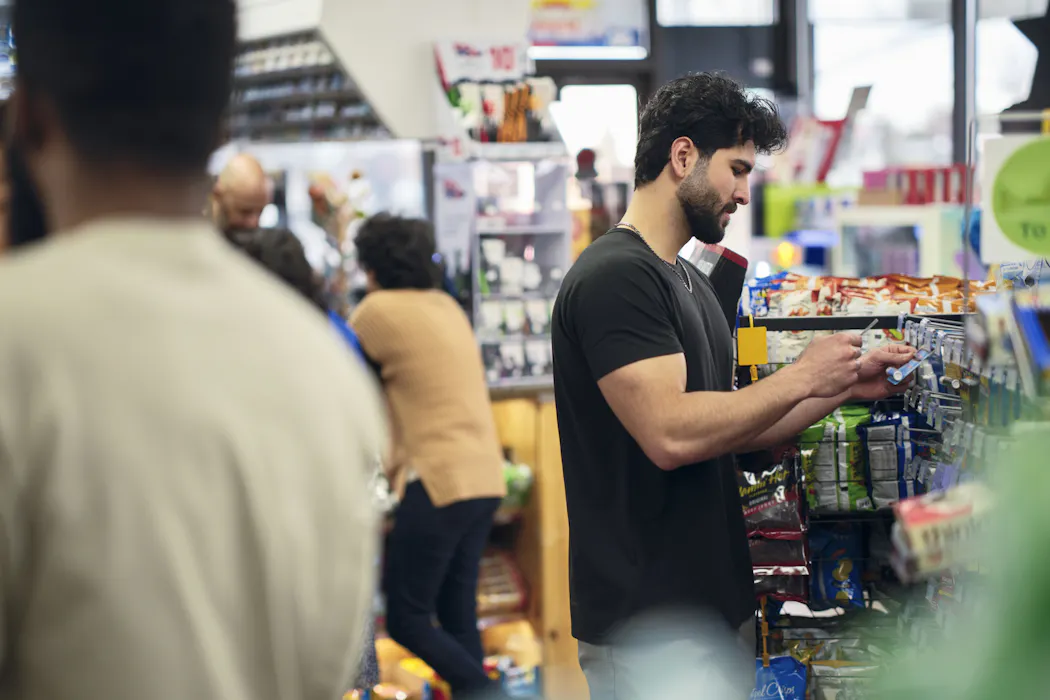
After 10 states began to add new restrictions to what people could buy with Supplemental Nutrition Assistance Program benefits in early 2026, the number of convenience stores authorized to accept those benefits was 1.4% lower than would be expected based on trends in states without the policy change.
That’s what we found in our study, published in October 2026 in Health Affairs Scholar – a peer-reviewed journal.
SNAP, a federally funded program administered by the states, helps about 36 million low-income Americans afford groceries with government benefits that can be used at more than 250,000 stores to buy fresh fruit, ground beef, canned beans and other groceries. Using the benefits for many items, including hot food, alcohol, toiletries and pet food, has long been prohibited.
States can now obtain federal waivers to prohibit SNAP benefits from being used to buy other products. The 10 states with waivers that we studied had a mix of rules. Some only barred the sale of soda and other sugary drinks. Other prohibitions applied to energy drinks, candy, cake and other prepared desserts.
In states like Oklahoma and Florida that have adopted these new SNAP restrictions to discourage unhealthy diets, the number of convenience stores participating in the program has fallen relative to other states that haven’t made these changes. That was especially notable in areas with high numbers of low-income people where a large share of the population gets SNAP benefits.
We analyzed the number of stores participating in SNAP from January 2025 through June 2026 for the 10 states. We compared changes to that number before and after the waivers took effect with what happened in the rest of the country.
We found no clear evidence that the number of supermarkets or superstores was declining in waiver states. Although it’s slightly lower than otherwise expected, this effect is not statistically significant.
Because the restrictions vary, we also investigated whether the type mattered: sugary drinks only, or sugary drinks plus other products that state officials wanted to discourage. We found the largest declines in the number of SNAP-authorized convenience stores in states restricting both drinks and candy: an average of 2.2%.
Why it matters
Stores in waiver states may need to update their checkout systems and train employees to prevent purchases that are no longer allowed with SNAP benefits – potentially a time-consuming burden for some retailers. That may help explain why the number of SNAP-authorized convenience stores is declining.
Although most people use SNAP benefits to buy food at big stores, they also purchase some groceries at convenience stores, especially in neighborhoods where there are few supermarkets.
Other federal policies are also changing how SNAP works due to provisions in the big tax and policy legislation that Congress passed in July 2025. It changed some eligibility rules and how much states pay to administer the program.
Even before all those changes take effect, many people who are likely eligible for SNAP benefits are having a harder time getting them, due to the steps states are taking to prepare for the new rules. The number of Americans enrolled in the program is falling fast despite no sign that their needs are shrinking.
What still isn’t known
We focused on changes to the number of stores authorized to accept SNAP in states with waivers. We didn’t study whether stores closed, or exactly why stores left the program.
We also don’t know what role court rulings will play. On June 22, near the end of our study, a federal court invalidated SNAP food restrictions in five states: Colorado, Iowa, Nebraska, Tennessee and West Virginia. Waiver programs in other states – Indiana, Utah, Idaho, Oklahoma, Louisiana, Texas and Florida – were allowed to continue.
Four states had similar restrictions in the works: South Carolina, North Dakota, Ohio and Virginia. Those plans are on hold.
Beginning in November 2026, most U.S. stores will also have to meet new requirements of a different kind to participate in SNAP. They’ll need to stock a wider variety of staple foods, such as grains, dairy products and produce. These requirements could pose additional challenges for convenience stores.
Further research is needed to see if the effects we found change over time, including in states that introduce these restrictions after the period we studied.
The Research Brief is a short take about interesting academic work.
Justin White receives funding from Bloomberg Philanthropies’ Food Policy Program.
Benjamin Chrisinger does not work for, consult, own shares in or receive funding from any company or organization that would benefit from this article, and has disclosed no relevant affiliations beyond their academic appointment.
Read These Next

1 in 4 Pennsylvanians say they paid out of pocket for their annual checkup. Why isn’t insurance cove
Billing errors, testing and questions about new symptoms can lead to unexpected bills, making some patients…

Some states are stepping up after federal childcare cuts – and now offer lessons for the future
Improving both supply and quality of childcare has been the focus of several states trying to find solutions…

‘Let nothing be forgotten’: Holocaust survivors’ memorial books honored lives lost and vibrant homet
After the Holocaust, Eastern European survivors collaborated on memorial books called ‘yizker bikher’…