Personal bankruptcy filings are soaring in 2026, signaling growing economic distress
State laws vary, so where you live may determine whether you’ll get to keep your home.

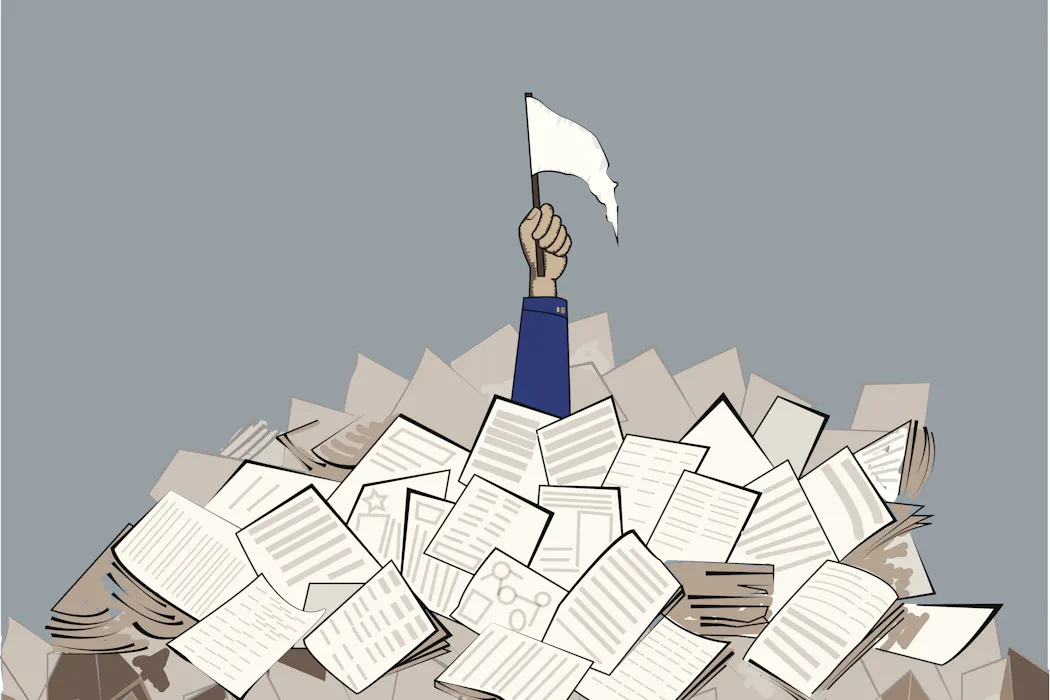
The number of Americans who file for bankruptcy is growing. More than 500,000 people took this step in 2025, nearly 50% more than in 2022. And the numbers have kept on climbing, with a 12% jump in June 2026 from a year earlier as many consumers struggled to pay their bills.
I am a business school professor who has researched bankruptcies and whether, when you are at the end of your financial rope, bankruptcy helps or hurts.
I became interested in the subject while in graduate school. Not because of any courses I took, but because I ran out of money. While I was in grad school, my wife, who was keeping the family afloat, unexpectedly lost her job at the very moment our savings went to zero.
Ultimately, we didn’t declare bankruptcy, and I’ll explain later what we did to avoid it. But this near brush with that fate sparked my long-term interest in this predicament that befalls many American consumers who find themselves financially stressed out.
What’s personal bankruptcy?
Bankruptcy is a legal process for people who can’t pay their debts. Because it usually requires liquidating their assets or entering a repayment plan, Americans generally turn to it as a last resort. To declare bankruptcy you first file a petition with a federal court, which appoints a trustee to oversee your case.
But bankruptcy does not discharge all debts.
There are 19 types of debts that even bankruptcy will not wipe out. Some of the bigger categories are alimony, child support and most taxes. Student loans can be wiped out, but getting that done is difficult and it’s not an automatic part of bankruptcy proceedings.
2 conflicting goals
U.S. bankruptcy law has two big goals that contradict each other.
The first is to give honest individual debtors a “fresh start.” The process ideally reduces or eliminates enough of their debt to make it possible to earn, spend, borrow and repay money like people with a more typical financial life. In other words, personal bankruptcy can take the financial noose off debtors’ necks.
The second is to ensure that creditors get repaid as much as possible for their loans. When someone declares bankruptcy, some or maybe all of their creditors don’t get their money back. In 2024, the Americans who filed for bankruptcy had about US$75 billion in assets, but they owed their creditors about $86 billion – $11 billion more.
States and the federal government make different trade-offs between these goals. As a result there are very different limits on how much equity – the difference between market value and what you owe – debtors can keep in their primary homes and personal property after they declare bankruptcy.
Some states are quite lenient. For example, Texas bankruptcy law doesn’t limit the amount of equity in a home at all. That helps debtors get back on their feet.
Other states are extremely strict in this regard. Arkansas limits home equity after personal bankruptcy to $800, and Kentucky restricts it to $5,000. This helps creditors: Lenders can force a debtor’s house to be sold and keep much of the equity the debtor built up.
Likewise, laws protecting vehicles and other kinds of personal property belonging to people who declare bankruptcy vary widely.
2 types of personal bankruptcy
People declaring bankruptcy typically file using either Chapter 7 or Chapter 13 of the federal bankruptcy code.
About 2 in 3 people use Chapter 7, a form of financial liquidation. The bankruptcy court appoints a trustee, who then sells off all of a person’s possessions, except what is covered by the various exemptions.
The trustee then gives creditors whatever money is left after the sale. In exchange for giving up most of what someone owns, filing Chapter 7 wipes out almost all debts and gives them a fresh financial start.
For people earning moderate to high incomes and whose debts are less than $2.75 million, bankruptcy courts make them use Chapter 13.
Chapter 13 is a slower-moving process. Creditors are paid over three to five years from a person’s earnings. Debtors keep enough of their wages to cover necessary living expenses, but all other disposable income goes to creditors. Chapter 13 allows people to save their homes from foreclosure and keep their vehicles.

Bankruptcy filing rising after decline
The number of personal bankruptcies filed annually fell sharply for more than a decade before the recent uptick, hitting a low of about 368,000 in 2022, down from about 1.5 million in 2010.
That number has climbed steadily since 2022.
A 2005 law called the Bankruptcy Abuse Prevention and Consumer Protection Act sparked the earlier decline. Its goal was to make declaring bankruptcy harder and more expensive. Many creditors pushed for these changes because they felt some individuals were abusing the system.
The changes introduced income limits for eligibility to declare Chapter 7 bankruptcy. It also required people to get credit counseling before filing to see whether there was any way they could avoid bankruptcy. It also added a new obligation: Americans now take a course in financial management after they file for bankruptcy to reduce the chance of future money troubles.
One interesting study regarding the legislation’s impact found that it lowered credit card interest rates, but it also prevented some people without health insurance from wiping out their medical debts.
The 2005 changes caused the number of personal bankruptcies to plunge. That ended with the Great Recession, which lasted from late 2007 until mid-2009.
This economic downturn pushed up the number of bankruptcies dramatically. But then the number fell from 2010 until 2022, as the Great Recession’s impact gradually receded. The decline continued into the early 2020s because the stimulus checks and more generous unemployment insurance payments the government provided at the height of the COVID-19 pandemic helped keep millions of U.S. consumers afloat.
The numbers began to rise again in 2022 as American consumers began facing increasing stress from income that has not kept pace with inflation and a sharp jump in credit card interest rates.
Lasting changes
Bankruptcy stays on your credit report for up to 10 years. After that, creditors are supposed to treat people who filed for it like anyone else. A study I worked on with law professor Lois Lupica tracked what happened over two decades to both people who had and had not declared bankruptcy. We wanted to see whether those who had filed for bankruptcy really got out of their financial hole.
Our findings were a good news, bad news story. The good news was that bankruptcy was not causing permanent financial stigma. The average person who declared bankruptcy eventually caught up financially with their peers who hadn’t.
The bad news was that it took 15-25 years to recover in almost all financial dimensions. This is longer than those 10 years that the bankruptcy filing stays on your credit report.
In short, we determined that bankruptcy does give people a fresh start, but getting that reprieve takes longer than the law’s intent.
Strategies that can stave off bankruptcy
My wife and I avoided bankruptcy primarily by doing two things.
First, we switched to using cash for most of our day-to-day purchases. When our wallets were empty, we were done spending. I talk more about this in my 2025 book “The Power of Cash.”
Second, we contacted the financial company where we owed our biggest monthly payment. After providing proof of financial hardship, they were surprisingly flexible.
If these two steps are not enough for you, the next step is to consult an attorney who specializes in bankruptcy law. While there are lots of things most people can competently do on their own, filing for bankruptcy is not one of them.
Jay L. Zagorsky does not work for, consult, own shares in or receive funding from any company or organization that would benefit from this article, and has disclosed no relevant affiliations beyond their academic appointment.
Read These Next

Ancestors all around – millions of dead people linger in Americans’ memories
The shadow population of deceased relatives is more than three times as large as today’s living population.

UN peacekeepers prepare to exit Lebanon after 70 years – leaving behind a worrying security vacuum
In August, the UN Security Council voted to end the decades-long peacekeeping mission in Lebanon. Blue…

PHP is in the foundation of 70% of websites – here’s what it is and why a flaw in the software is a
A cybersecurity researcher explains how a flaw in widespread software makes millions of websites vulnerable…