Some kinds of insider trading are perfectly legal – and they offer useful signals about a company’s
Corporate layoffs cause confusion about a business’s future, but there’s a way for investors and employees alike to see if downsizing could lead to profitability.

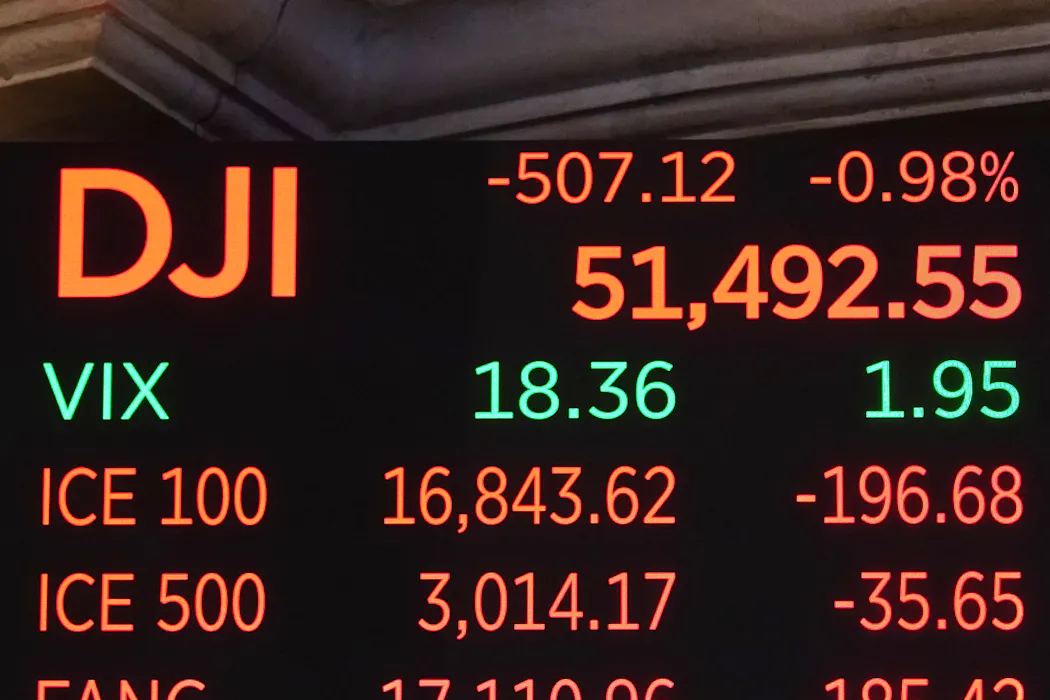
It’s a mantra among business executives that slashing their workforce will streamline operations and increase productivity – a strategic boost to the bottom line. And recent downsizing announcements have been no different, especially at tech companies citing massive disruptions caused by artificial intelligence.
Meta CEO Mark Zuckerberg, for example, stated in May 2026 that “this is the most dynamic I have seen our industry” as the company was starting its announced cull of 8,000 workers. He added: “I’m optimistic about everything we’re building. But success is not a given.”
For affected workers, of course, downsizing is brutal. And growing fears over diminishing job security in white-collar fields once thought of as safe are a key driver behind Americans’ growing pessimism about the economy.
But for two other groups – the workers still employed at downsizing companies, as well as investors – there’s a source of clarity amid the chaos. To see whether job cuts will actually help turn a business around, they can find a valuable signal in the buying and selling of the company’s stock by its own employees, especially in its senior ranks.
This type of insider trading, which is perfectly legal, was the focus of our research as finance professors. We found that it’s possible to predict the outcomes of corporate downsizing by looking at whether these insiders show their confidence, or lack thereof, in turnaround plans by selling or buying company stock.
This knowledge is also easier and quicker to come by than it used to be. Following the 2002 enactment of a sweeping accounting reform law, the Sarbanes-Oxley Act, these trades have to be disclosed within two days.
A different type of insider trading
Media attention typically focuses on illegal insider trading, which happens when someone makes money off information that the public doesn’t have. Lifestyle icon Martha Stewart and Enron CEO Jeffrey Skilling are just two of the more famous examples, with both having to serve time in prison for their crimes.

But researchers have been asking another question for years: What can we learn from the legal trading of a company’s stock by employees? This practice is in fact quite common. Publicly listed companies often compensate their workers with equity, which they can sell if they choose, and sometimes employees can also buy their company’s stock.
Read more: Rules against insider trading also boost innovation, research finds
This type of insider trading is permitted as long as those buying and selling shares don’t have material and nonpublic information, such as unreleased earnings numbers. It can also be quite profitable, especially at large multinational companies, research shows. This finding holds even when the windows for trading are restricted at specific times, like after quarterly earnings are announced.
The reason these insiders have an edge is not secret information. They’re just much better in general at processing public information and forecasting their company’s performance than investors on the outside.
Of course, a company’s future is highly uncertain when it’s laying off employees. So the next question is whether trades around such pivotal downsizing events signal how its employees, especially those who are most in the know, assess the turnaround plan touted by leadership, and if they believe it will actually work.
While these are valuable clues for investors, this information is also accessible to workers still at the company – presumably those who are most eager to know whether their employer will succeed. Thanks to Sarbanes-Oxley, senior staff are required to file a form with the Securities and Exchange Commission, the regulator that helps protect capital markets, on their purchases and sales of company stock. The SEC then makes these available to the public.
Finding signal in the noise
Whether downsizing actually helps a company turn things around remains an open debate. Some researchers argue that it can have value, especially if it’s done proactively. Others have concluded that workforce cuts alone won’t fix an ailing business, and can in fact damage profitability.
But we argue that there’s another way to find clarity on whether cuts will turn a business around. We analyzed nearly 9,000 firms from 1987 to 2022, covering more than 70,000 transactions. And we made several surprising findings. First, insiders are more likely to purchase their company’s stock when it’s downsizing. And if a company slashes staff by at least 5%, there’s a significant jump in share purchasing by insiders and significantly less selling – which suggests they’re optimistic about their company.
In cases when insiders’ purchasing of shares jumped, the company’s stock performance improved as well. In fact, insider purchases at downsizing firms were more profitable than trades by insiders at stable firms. This link is even stronger when we just look at traded shares held by senior executives.
To take two examples: Corning Inc. and Ball Corp. both laid off employees in 2022. However, insiders at Ball showed their optimism by purchasing shares of the firm, while those at Corning did not. During the following year, Ball’s stock performance rose over 9%, while Corning was down more than 6%. Those results reflected the fact that Ball had a successful turnaround strategy, in contrast to Corning.
In short, trading signals by senior corporate executives were a useful predictor of future stock performance when the company faced headwinds and had to trim staff.
What happened to these firms in the years after the job cuts? Over the longer term, the companies that had insiders purchasing their stock posted higher profits and share prices than at downsizing companies that did not. The former were also more likely to avoid bankruptcy or financial distress.
This suggests that the insiders put their money where their mouth is – and tell the market that they know the company is going to succeed.
Read more: Insider trading − the legal kind − is a lot more profitable if you work for a multinational company
What do investors and employees need to know?
For investors, these signals are valuable when they need to assess the future prospects of the companies they invest in. Executives may say the business is forging a new strategic direction by cutting costs, but if they’re also buying their company’s stock, they’re making a more robust commitment.
More broadly, though, these lessons aren’t just important for investors or the business elites. Rank-and-file workers can apply them as well. And in these uncertain times of rapid change, this type of clarity can make all the difference.
The authors do not work for, consult, own shares in or receive funding from any company or organization that would benefit from this article, and have disclosed no relevant affiliations beyond their academic appointment.
Read These Next

Why ultra-Orthodox parties hold so much sway in Israeli politics
Ultra-Orthodox Jews, often called Haredim, make up a small but growing percentage of Israel’s population.…

Surviving cancer starts at diagnosis and continues after treatment – earlier survivorship care can h
Cancer survivorship is often thought to begin after a patient receives their last treatment. But planning…

Indian Gen Z ‘cockroach’ protesters aim to upend assumptions about democracy – and populism – in Mod
The protests challenge the government’s view of who “the people” are, what democracy means, and…