Aid is on the way after Venezuela’s earthquakes, but it’s not clear how quickly it can get there
If you want to help, an aid expert advises you to donate cash to nonprofits involved in local rescue and recovery efforts.

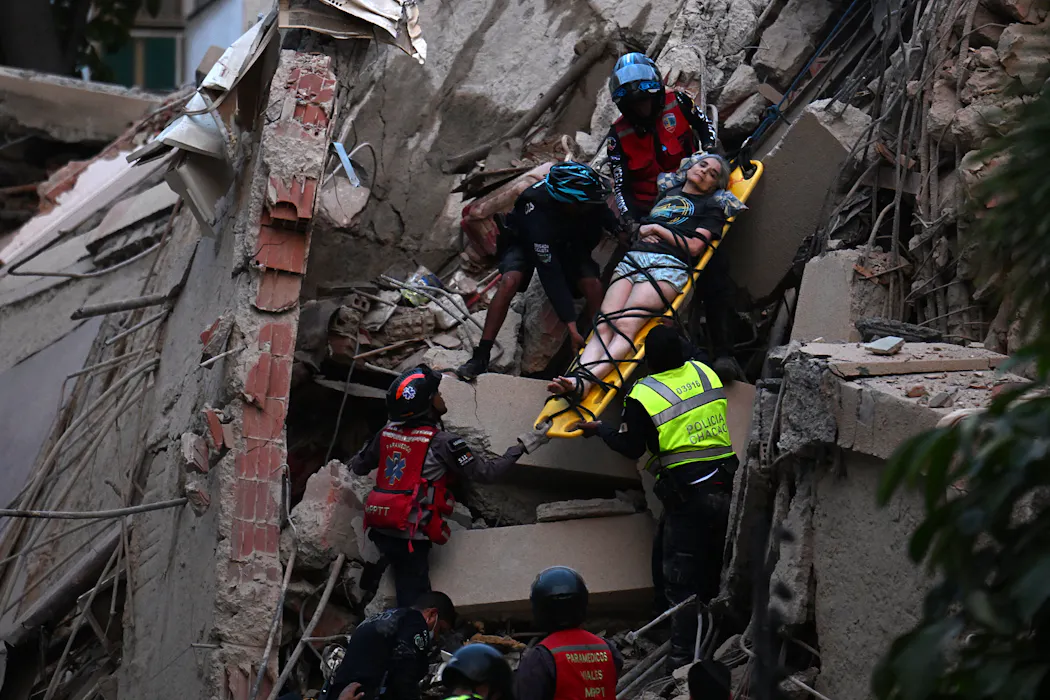
For a country already facing serious humanitarian needs, the two powerful earthquakes that shook Venezuela on June 24, 2026, have made life even harder.
Millions of Venezuelans were already struggling to get enough food, medicine, fuel and basic services to survive before this disaster. Now, even more people there urgently need shelter, medical care, clean water, food and support.
I, a scholar of humanitarian assistance with more than 10 years of experience managing humanitarian aid in Latin America, am teaching a course on disaster field operations. The graduate students taking this class were already learning how recovery from earthquakes and other disasters in Latin America depends on having strong local partners, reliable supplies and support that reaches the people most affected.
Now, with these earthquakes, they will get to see how this kind of tragedy unfolds in real time.
Can Venezuelans living abroad reach loved ones?
With more than 50,000 people unaccounted for, the number of causalities may soar from initial reports of hundreds of deaths and thousands of injuries.
And the number of people who have become displaced following the destruction of their homes is likely to remain unknown for weeks.
For the estimated 8 million Venezuelans living outside their native country, including the 1.2 million Venezuelans and people of Venezuelan descent who reside in the U.S., this is their worst nightmare. Many are unable to reach their loved ones, and every hour without contact brings more fear, confusion and pain.
For Venezuelans abroad, grief is turning into action. Community groups, nonprofit organizations and Venezuelan-owned businesses are collecting donations and raising funds to support disaster recovery. Their efforts show the deep connection Venezuelans still have with their homeland.

Have other countries begun to help?
The international community has risen to the occasion, showing support by sending equipment, such as helicopters, planes and logistical machinery, that rescue teams can use to rescue trapped people and conduct other disaster response operations.
The list of countries pledging to send humanitarian aid includes the United States, Brazil, El Salvador, Mexico, Spain, Germany, France and many others.
But because of the serious damage to airports, hospitals and other essential infrastructure, getting that aid delivered quickly could prove difficult.
Videos made by people on the scene and news reports show that Simón Bolívar International Airport, the country’s busiest, is in trouble, with ceiling panels falling, debris scattered throughout the terminal and power outages – leaving it unable to operate.
If the airport stays closed for a long period of time, it will interfere with deliveries of aid from foreign governments and international organizations, such as the International Red Cross and U.N. World Food Program.
What’s the best way to help Venezuela now?
As images of the destruction spread on social media and the news, many people are asking how they can help. My answer is simple: Donate money to trusted organizations that were already working in Venezuela before the earthquakes.
Giving cash to those nonprofits will make it possible for local groups and global organizations operating in Venezuela to respond quickly and effectively. They can purchase food, water, medicine, hygiene supplies and other essential items near the affected communities, saving valuable time and avoiding many of the delays that come with shipping supplies from another country.
Providing cash also helps strengthen the local economy when goods are purchased from nearby businesses, while sending blankets, food and other goods doesn’t do that and create hassles for aid workers. This keeps money in affected communities, helps local vendors stay open, protects jobs and supports recovery while families receive help faster.
The Associated Press is maintaining a list of vetted organizations responding to the crisis in Venezuela.

Are there precedents for what’s happening in Venezuela?
The aftermath of Venezuela’s earthquakes reminds me of the devastating earthquake that struck Haiti in 2010. Both were complex disasters made worse by already fragile infrastructure.
In Haiti, I saw many nonprofits and international agencies arrive; some of their staff who were dispatched to help had little or no experience in the country. This personnel problem contributed to a long recovery time.
My hope for Venezuela is that the coming flood of aid supports its recovery from its prior problems rather than complicates that process in a nation that continues to face one tragedy after another.
Dulce Suarez does not work for, consult, own shares in or receive funding from any company or organization that would benefit from this article, and has disclosed no relevant affiliations beyond their academic appointment.
Read These Next
Ancestors all around – millions of dead people linger in Americans’ memories
The shadow population of deceased relatives is more than three times as large as today’s living population.
UN peacekeepers prepare to exit Lebanon after 70 years – leaving behind a worrying security vacuum
In August, the UN Security Council voted to end the decades-long peacekeeping mission in Lebanon. Blue…
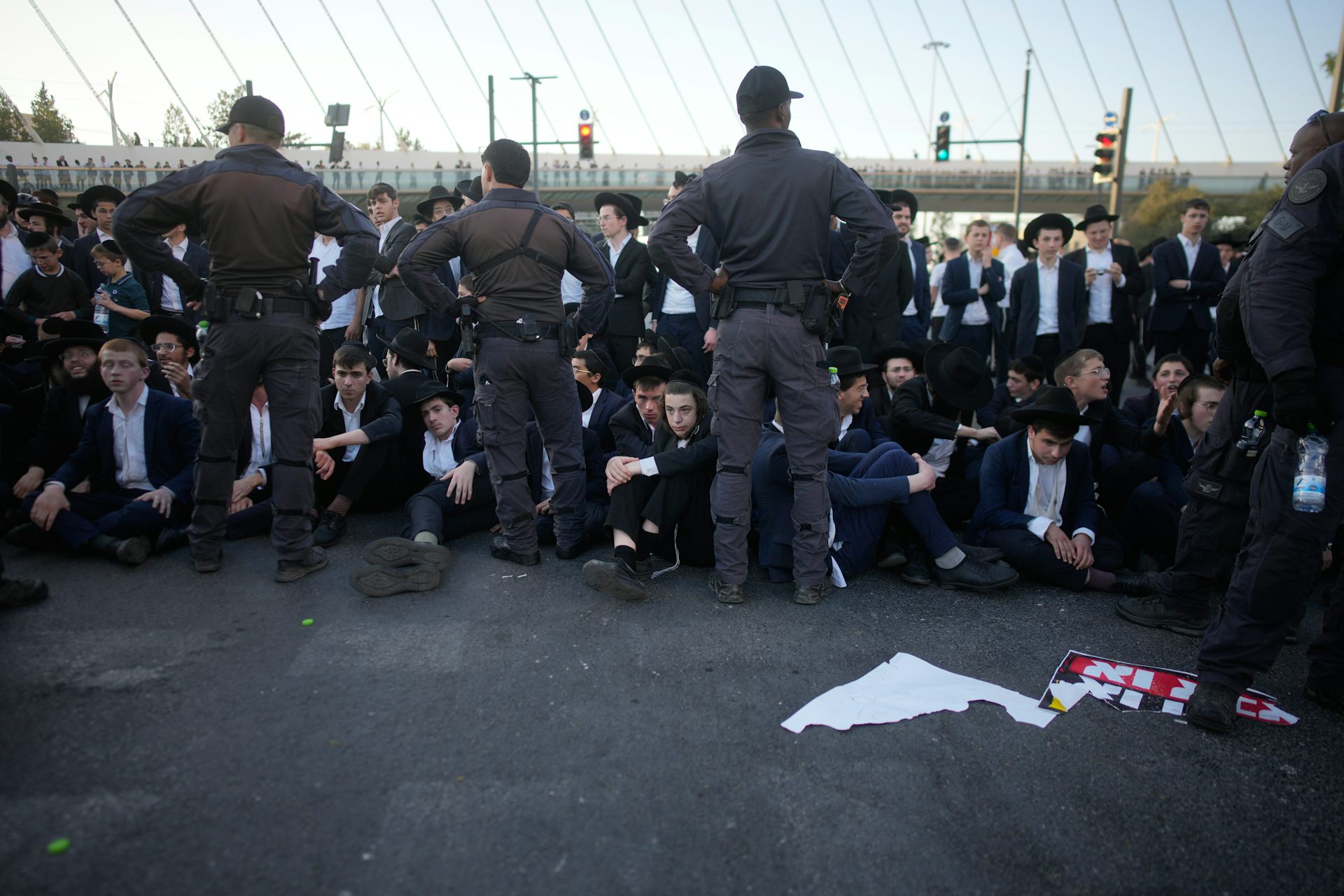
Why ultra-Orthodox parties hold so much sway in Israeli politics
Ultra-Orthodox Jews, often called Haredim, make up a small but growing percentage of Israel’s population.…