Gifts from top 50 US philanthropists jumped to $22.4B in 2025 − Mike Bloomberg, Bill Gates and the e
Three philanthropy scholars size up the latest data on gifts from the country’s biggest philanthropists.

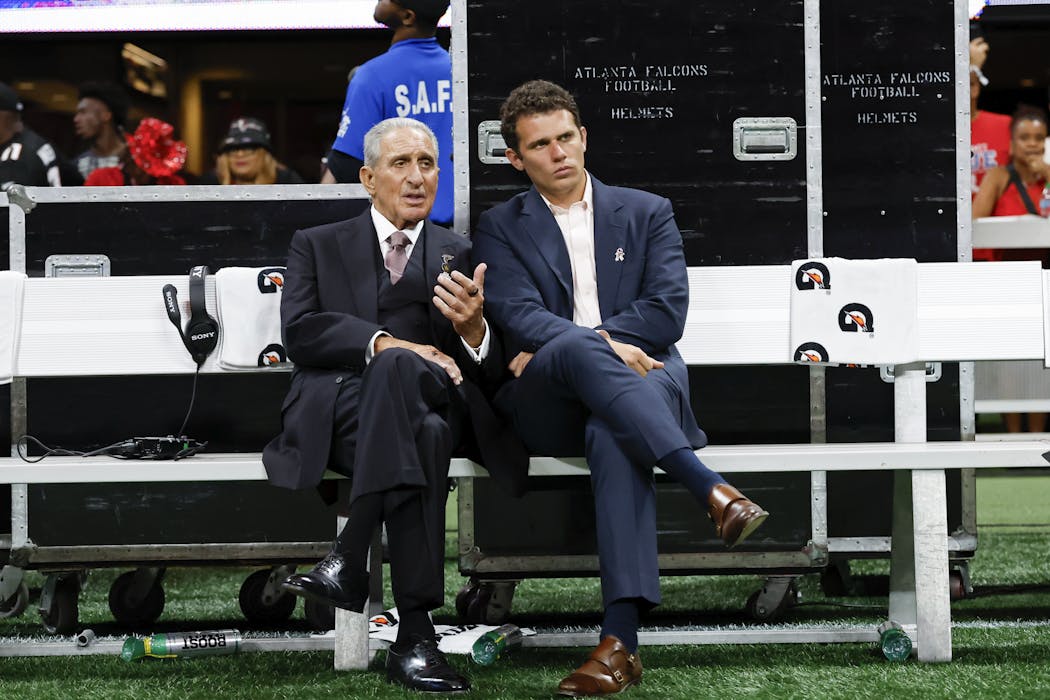
The 50 American individuals and couples who gave or pledged the most to charity in 2025 committed US$22.4 billion to foundations, universities, hospitals and more. That total was 35% above an inflation-adjusted $16.6 billion in 2024, according to the Chronicle of Philanthropy’s latest annual tally of these donations.
Media entrepreneur and former New York Mayor Mike Bloomberg led the Chronicle’s Philanthropy 50 list, followed by Microsoft co-founders Bill Gates and Paul Allen. Allen died in 2018, but his estate is still being settled.
The Conversation U.S. asked David Campbell, Lindsey McDougle and Hans Peter Schmitz, three scholars of philanthropy and nonprofits, to assess the significance of these gifts and to consider what they indicate about the state of charitable giving in the United States.
What trends stand out overall?
Schmitz: Higher education, hospitals, medical research, foundations and donor-advised funds – which serve as savings accounts reserved for charitable giving – drew the biggest gifts in 2025. The education and medical fields are a perennial favorite of high-dollar donors. To a degree, these preferences for supporting education and health were first expressed by Andrew Carnegie in his 1889 essay, “The Gospel of Wealth,” in which he famously claimed that “the man who dies rich dies disgraced.”
Campbell: This list changes little from year to year. Of this year’s top 20 donors, 16 have appeared at least one other time over the past five years. Six others have also made this list at least two other times since 2021. For the third year in a row, former New York City Mayor Mike Bloomberg is at the top of the list. He gave away over $4 billion in 2025, over $500 million more than the next highest donor.
Half of these 22 repeat top-50 givers have signed The Giving Pledge, in which they made a public commitment “to give the majority of their wealth to charitable causes in their lifetime or wills.” Their appearance on the list shows that they are making at least some progress toward that commitment.
How they give their money hasn’t changed much either. A dozen of the 22 who make this list year after year regularly fund the same causes – often their own family foundations. Donations to foundations increase the amount of money those philanthropic institutions may give away in the future, but that money might not be disbursed anytime soon. By law, foundations only have to donate or spend 5% of the money they possess every year.
McDougle: The top 50 donors gave more in 2025 than they had since 2021. But this growth is highly concentrated. Mike Bloomberg alone accounts for 19% of the $22.4 billion they gave in 2025, and the top 10 accounted for nearly three-quarters of what all 50 gave to charity.
This pattern reflects a broader reality: A small number of ultra-wealthy individuals increasingly dominate American philanthropy. This concentration is raising questions about democratic accountability, including this one: Whose priorities define the public good?
In my opinion, this kind of concentration can skew philanthropic priorities. Decisions about education, health care, climate policy and democracy can increasingly become influenced not through public deliberation, but through the discretionary choices of a few members of a financial elite.
What surprises you about the biggest donors?
Schmitz: I find it odd that MacKenzie Scott isn’t on this list. She says she gave $7.1 billion in 2025. If she had met the Chronicle of Philanthropy’s criteria, that would have landed her in first place by far. Unfortunately, the Chronicle says that MacKenzie Scott has never provided sufficient information about her generosity since becoming a major donor on her own, following her 2019 divorce from Amazon founder Jeff Bezos. And that leaves her off the list year after year.
Campbell: The Trump administration’s defunding of the U.S. Agency for International Development is among the most significant events of 2025. When it began, some philanthropy scholars wondered whether wealthy donors would replace at least a portion of the lost funds.
One example of that happening: Jacklyn and Miguel Bezos, the parents of Amazon founder Jeff Bezos, pledged up to $500 million to UNICEF, the United Nations humanitarian relief organization. No other donors on this list clearly made gifts for international development or foreign aid such a high priority. However, some of these donors’ foundations, notably the Gates Foundation, do support those efforts.
Similarly, it’s unclear to what extent these donors are responding to the huge funding cuts to research that the Trump administration made in 2025.
Several of them have supported medical research in the past and continued to do in 2025. Sergey Brin gave the Michael J. Fox Foundation $50 million for Parkinson’s disease research, a continuation of his past commitment to that organization. Phil and Penny Knight, the founder of Nike and his wife, announced plans to give $2 billion to the Oregon Health & Science University’s Knight Cancer Institute.
McDougle: I think it’s striking that there are no women who made this year’s Philanthropy 50 list on their own. The women listed appear only as part of a married couple, as members of a family, or within joint giving structures that include a male donor. By contrast, there are 24 male donors listed on their own.
Last year’s list included multiple women as sole donors, including two in the top 10.
The absence of women listed here who gave independently of men mirrors broader wealth disparities in the U.S.: About 86% of U.S. billionaires are men, according to the Forbes’ Real-Time Billionaires list.
What concerns do you have?
Schmitz: The list excludes donors like MacKenzie Scott, but includes other very rich donors with serious ethical issues. Businessman Denny Sanford is one example. He signed the Giving Pledge in 2010. He was removed from it in 2023 after being investigated for the alleged possession of child pornography. South Dakota prosecutors ultimately declined to levy charges against the philanthropist, who ranked 14th among the top 50 donors of 2025.
The reputation of Microsoft co-founder Bill Gates, one of the world’s biggest donors, is also getting tarnished. In February 2026, he apologized to the staff of the Gates Foundation for his ties to Jeffrey Epstein.
I suggest that the Chronicle of Philanthropy take ethically problematic behavior into consideration when it composes this annual list.
Campbell: It’s a bit surprising to see that only 19 of the top 50 donors are also on the Forbes 400, which lists the nation’s richest people. The wealthiest Americans have the most to give, and I would have expected to see more of them among the top 50 givers as well. Instead, what we see is that philanthropy is a higher and consistent priority more for some than for others, which I find disappointing.
I would like to see more members of the Forbes 400 on this list next year.
What do you expect to see in 2026 and beyond?
Campbell: We are living in a politically volatile moment, with high levels of polarization and increased concerns about democratic backsliding in the United States.
Several of these donors have made strengthening democracy a high priority, including Pierre and Pam Omidyar, and Home Depot co-founder Arthur Blank, through his family foundation. However, I don’t believe that this issue has been a high enough priority among the biggest givers in recent years. I would think that this kind of giving could increase in 2026.
McDougle: Another factor is demographic. Most of the top 50 donors are in their 60s or older. In the years ahead, philanthropy is likely to be influenced by a significant intergenerational transfer of wealth. Philanthropy scholars and consultants estimate that tens of trillions of dollars will transfer from older Americans to their younger heirs over the coming decades.
That shift could have substantial implications for large-scale giving. At the same time, it remains unclear whether the top 50 donors under 60 will be inclined to establish foundations. Surveys of very wealthy families suggest that younger donors often express different priorities than older ones.
Whether those preferences will reshape elite philanthropy remains an open question.
David Campbell is chair of the Conrad and Virginia Klee Foundation Board.
Lindsey McDougle is president-elect of the Association for Research on Nonprofit Organizations and Voluntary Action (ARNOVA).
Hans Peter Schmitz does not work for, consult, own shares in or receive funding from any company or organization that would benefit from this article, and has disclosed no relevant affiliations beyond their academic appointment.
Read These Next

Offering cash for votes is quite common – but here’s why it doesn’t work
Money or other material benefits are often not enough to override a voter’s preferences and partisanship.
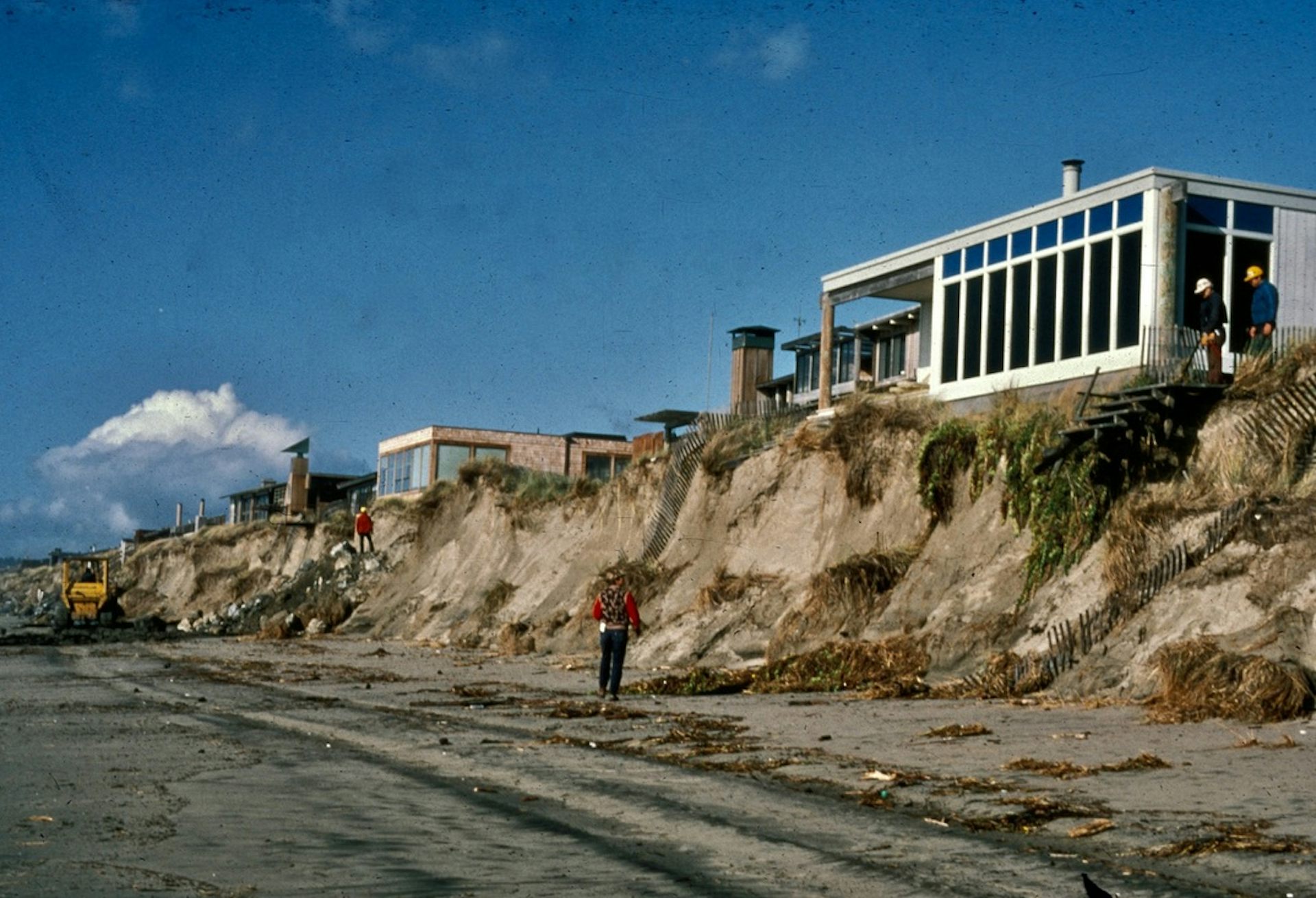
El Niño is threatening California’s fragile coast again – the 1982-83 El Niño opened eyes to the ser
The destructive 1982-83 El Niño, then the strongest on record, eroded cliffs, leaving homes hanging…

Human rights could improve – or worsen – based on how nations use the UN treaty against cybercrime
If the treaty enters into force, responsible nations will have to carefully monitor how other countries…