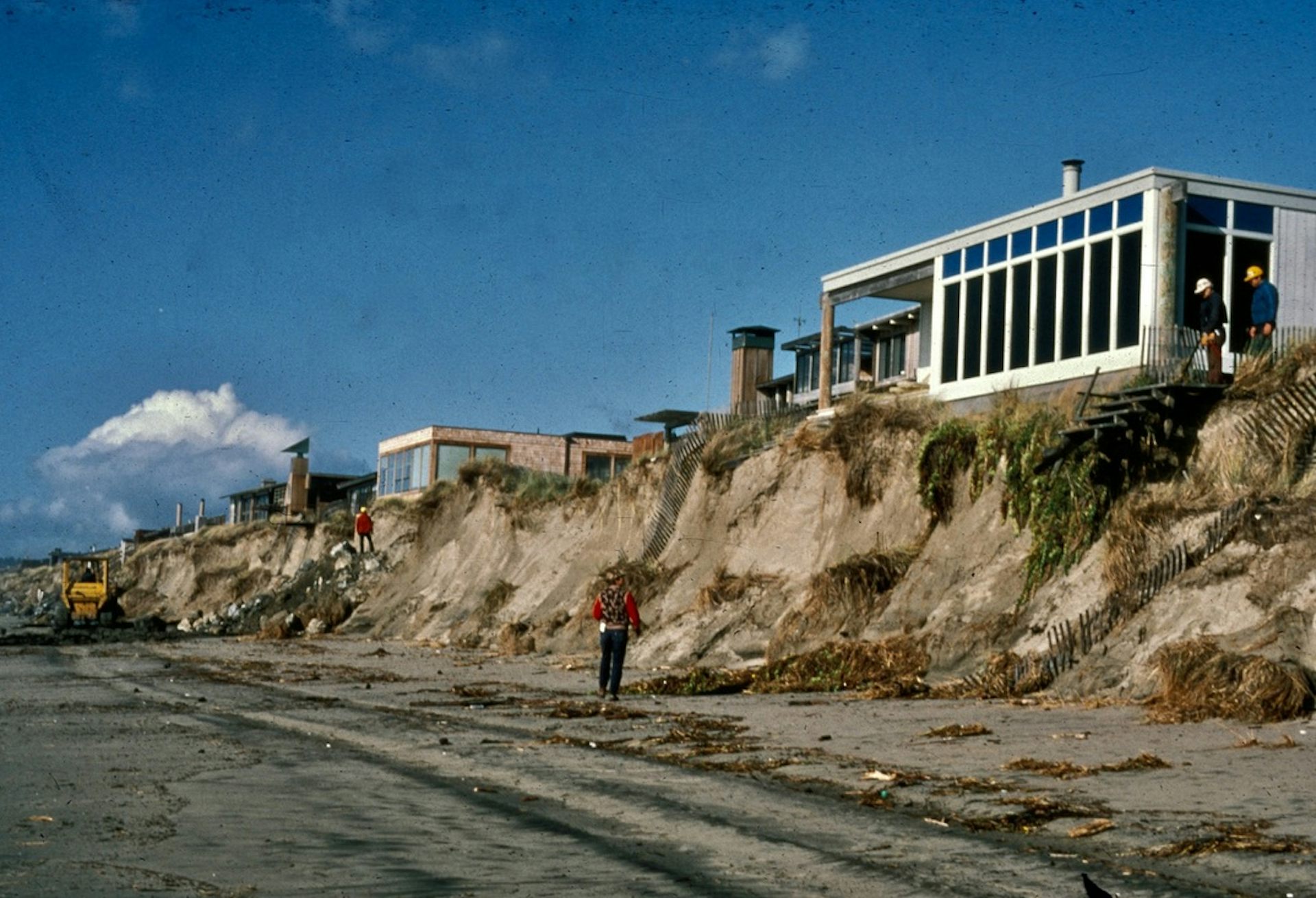
Juneteenth’s real meaning is written on the plates of smoked meats, potato salad and watermelon
One Black Texas family’s Juneteenth memories show how food became a powerful expression of emancipation, self-determination and remembrance.

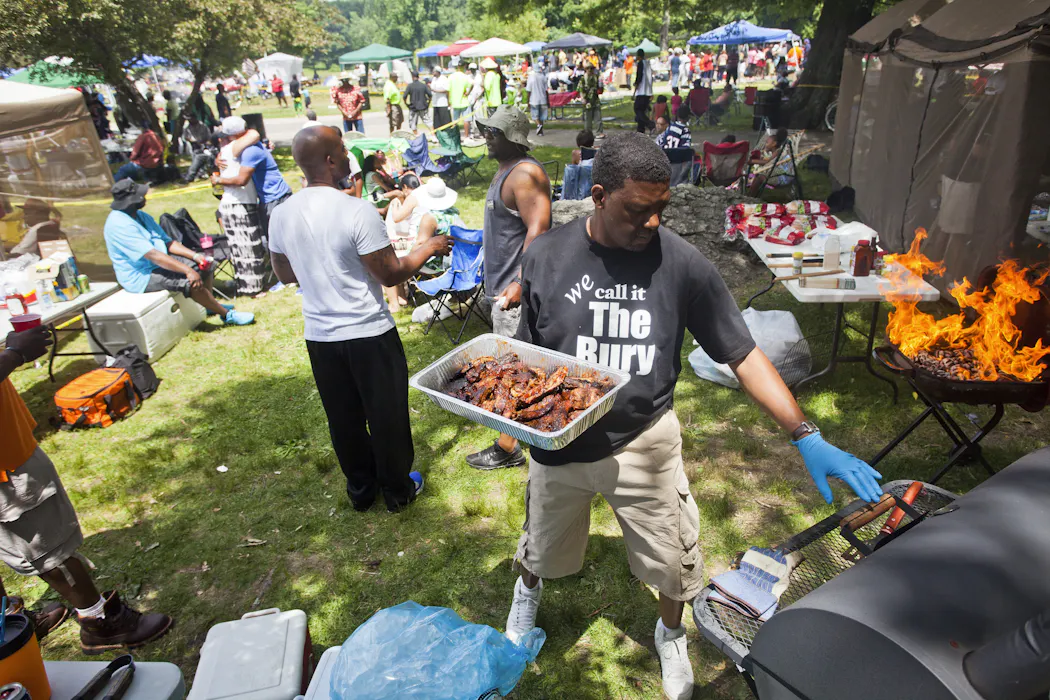
“Visiting Comanche Crossing on Juneteenth felt like freedom,” my father said as we pulled into Booker T. Washington Park, the site near what used to be known as the historic Comanche Crossing on Lake Mexia in Texas. “Listen, Bobby, this place would be full of Black folks cooking, dancing, and playing music. It was a big festival with fireworks and a party.”
It had been more than six decades since my father had visited the park in the summer of 1965. But he sounded like a little kid again as he breathlessly recounted all the food: “We would have barbecue ribs, chicken, brisket, blood sausage, raccoon, armadillo, fried chicken, potato salad, beans and yellow meat watermelon, and we had to have that Big Red Soda – you know it was created in Waco, right? – banana pudding, peach cobbler, pecan pie, white coconut cake, German chocolate cake, berry cobblers, pies and homemade ice cream.”
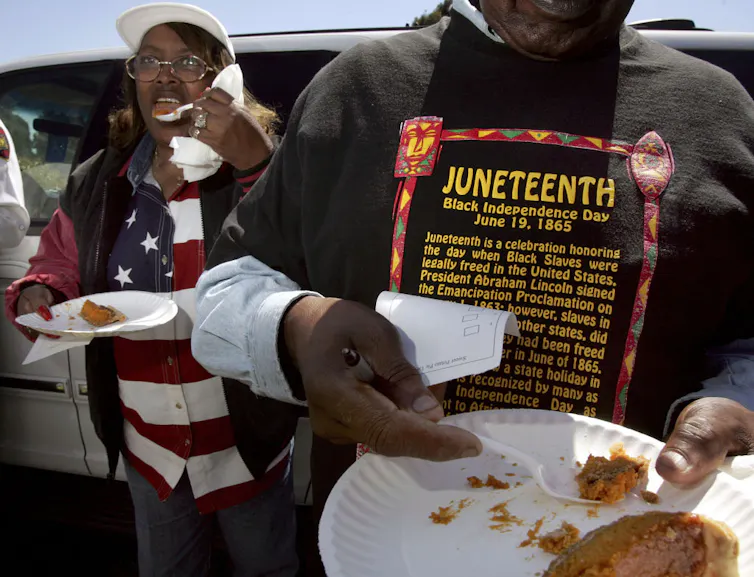
Long before Juneteenth became a national holiday in 2021 and Texas commemorated it as a state holiday in 1980, the park was where generations of my family would join thousands of Black Texans every June to celebrate June 19, 1865. That was the day Union troops informed enslaved Africans in Texas that they were free, two-and-a-half years after the Emancipation Proclamation and six months before the ratification of the 13th Amendment, which officially abolished slavery in the U.S.
Comanche Crossing lies less than 3 miles north of the site where the region’s enslaved people first learned of their freedom, and it’s where they decided to celebrate with a feast from their harvest.
Yet the story of Black Texans – and how they shepherded the traditions of Juneteenth celebrations through food for over a century – is a central part of this history that receives scant attention.
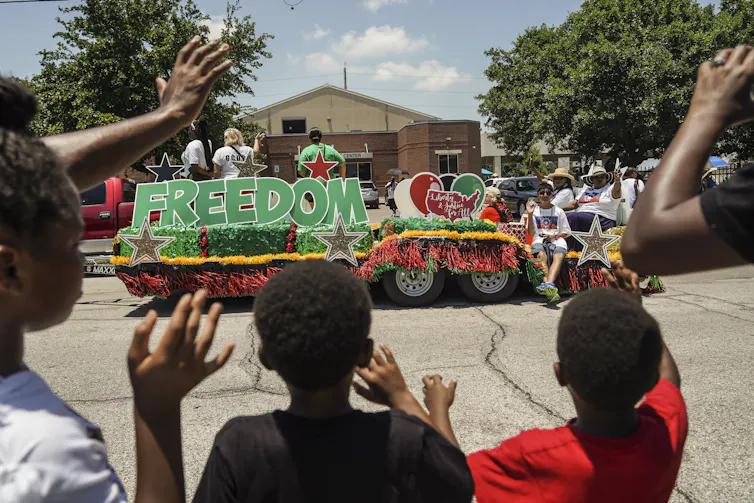
I’m a native Black Texan, so Juneteenth is personal. And I thought I fully understood its significance while I devoured smoked pork ribs, summer sausage and brisket, year after year, at my paternal grandmother’s house in my hometown of Fort Worth.
But now, as a scholar of Black food culture, I see these celebrations differently. The mouthwatering spreads that were laid out each year did more than nourish Black Texans. They celebrated the way food was wielded as a tool of resistance and a symbol of freedom during and after slavery.
The freedom feast
As we continued walking through Comanche Crossing, I asked my father what he remembered about preparing food for Juneteenth.
By summer 1965, he recalled, they were living in Fort Worth but traveled back to his hometown of Waco the night before Juneteenth to help his family cook for their annual Comanche Crossing trip. He recalled that the cooking lasted all night, with the meat smoked to perfection over the pit, while other family members, including my grandmother, assembled dishes for the next day, using mostly fresh ingredients and farm-raised livestock. The food was packed up on the morning of June 19, and then the whole family headed for Comanche Crossing.
“And that’s when we would really have a time,” he said.
As my father excitedly described all the food and its preparation, I thought of culinary historian Jessica B. Harris, who, in her 2011 book, “High on the Hog, wrote, "The backbone of Juneteenth festivities has always been the table.”
Each family that came to Comanche Crossing prepared their own unique dishes for the Juneteenth spread.
“You can’t pinpoint how each family would prepare the foods,” my father said, “but you know you would see smoked meat for sure because that was our main tradition.”
For my family, smoked meat and potato salad were nonnegotiable.
The smoked meat echoes the ritual of hog killing that has long been part of the rural Black experience. The practice was one of the few moments when enslaved people exercised a measure of control over their food. Potato salad symbolized the abundance of the harvest of the land, putting on full display the agricultural knowledge and labor of the enslaved.
After emancipation, these traditions symbolized more than just celebration for Black Texans. They reflected what I called “emancipatory food power” in my first book, “Food Power Politics” – the ability of Black communities to use food as a resource for survival, self-determination and freedom.
A portal into the past
When we approached the large, elevated dance pavilion, the park’s largest structure, my father remarked, “It seemed much bigger to me as a kid.”
He wasn’t wrong. The current structure isn’t the original, which was destroyed by a fire in the 1990s. But for my father, it nonetheless conjured memories of him and his cousins “running around it and watching the adults dance and just be free.”
He said it reminded him “of that Sugar Shack picture.” He was referring to the iconic 1970s painting by Black artist Ernie Barnes depicting a group of exhilarated Black men and women enthusiastically dancing, arms and legs splayed every which way, to live music at a juke joint – a type of informal gathering place that emerged in rural Black communities in the American South after emancipation.
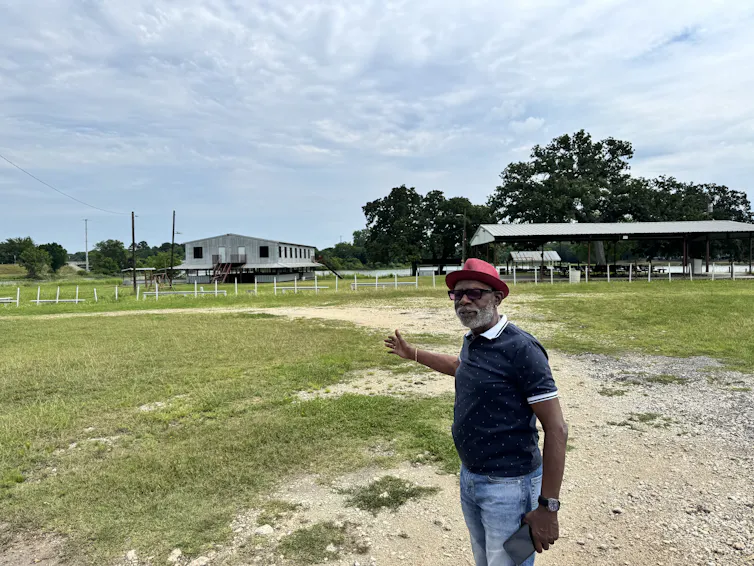
I watched as my father walked under the pavilion and around the park and thought about his recollections: a portal into those earlier Juneteenth celebrations in Texas, when those who attended were just one or two generations removed from enslavement. It was a brief glimpse into how deeply they treasured that day.
Black Texan and historian Amilcar Shabazz picks up on that thread in his 2004 book, “Advancing Democracy”:
“Before Black Texans had their own history, schools, churches … they had Juneteenth. It may not have looked like much in the eyes of an arrogant world, but it was everything Black Texans had, and they each loved and cherished that day with all their heart … and most important of all, they remembered.”
A homecoming 60 years in the making
As my father and I walked back to the car to get back on the road, I could tell that he could have stayed there, reminiscing, for hours.
He kept glancing around, as if his cousins, aunts, uncles, mother, grandmother and great-grandparents were right there with him in spirit, in their own little corner of Comanche Crossing, passing around dishes, filling plates and toasting to freedom.
But once we were in the car, his tone changed. He began talking about the 1981 tragedy at the park, which rocked the Mexia community to the core. Three Black boys, known as the “Comanche Three,” were being transported by three police officers across Lake Mexia in a small aluminum boat. Some type of accident occurred on the water, and all three boys drowned. The three police officers survived. To this day, the circumstances of what happened that night remain unclear.
While the tragedy disrupted the future of Juneteenth celebrations in Comanche Crossing, the events continued, though the number of visitors declined dramatically. But it didn’t erase the past from the minds of Black Texans like my father.
Clearly, the smell of barbecue, the sound of music and the love of community and family lingered in him.
In many ways, returning to Comanche Crossing after more than 60 years was a homecoming for my father. It was one for me, too. Through his memories, I came to see myself in the Juneteenth story – both personally and intellectually.
“I’m glad that I got the chance to see this place again in my lifetime,” my father said, holding back tears as Comanche Crossing disappeared in the rearview mirror.
Bobby J. Smith II does not work for, consult, own shares in or receive funding from any company or organization that would benefit from this article, and has disclosed no relevant affiliations beyond their academic appointment.
Read These Next
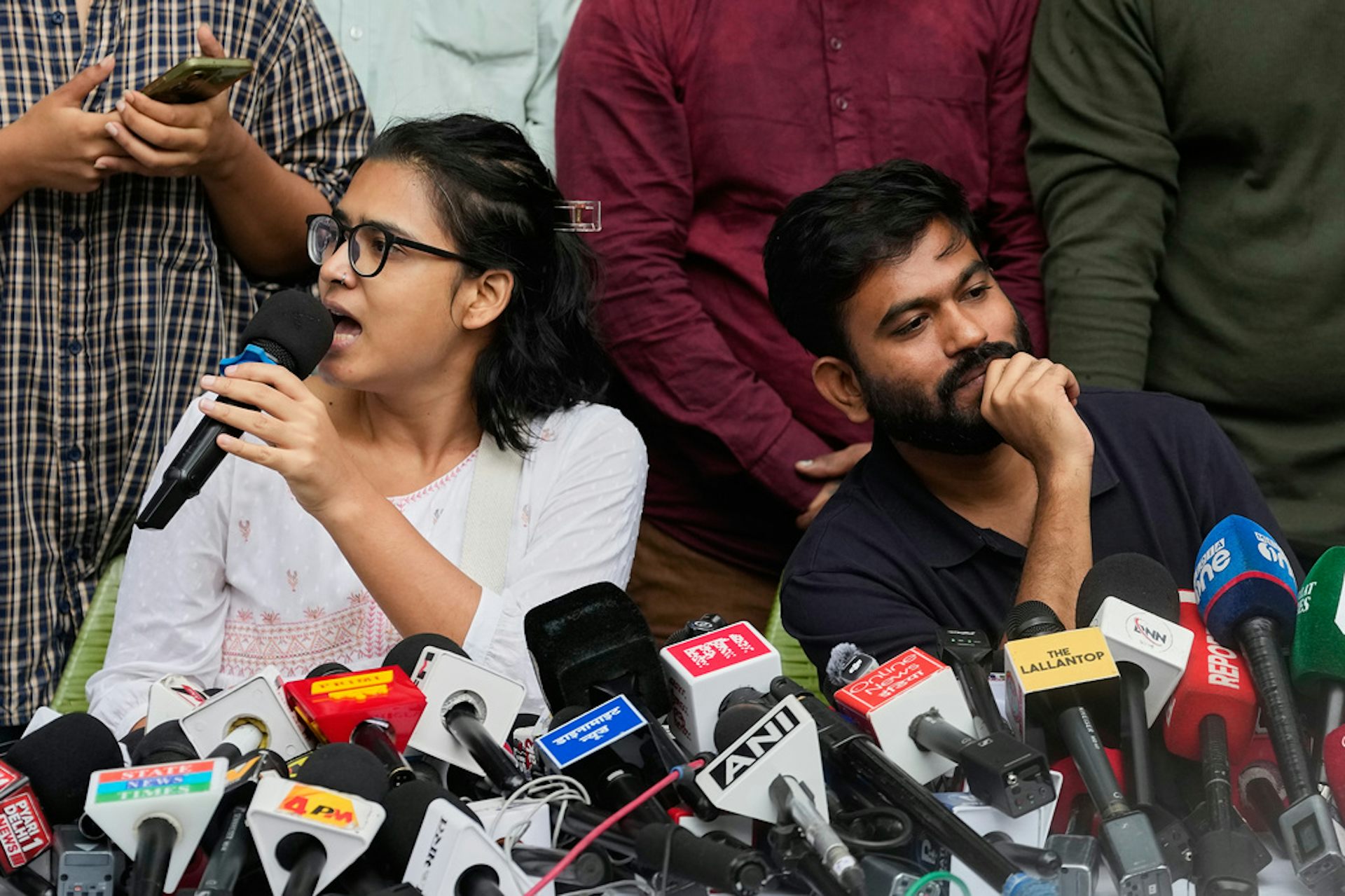
Indian Gen Z ‘cockroach’ protesters aim to upend assumptions about democracy – and populism – in Mod
The protests challenge the government’s view of who “the people” are, what democracy means, and…
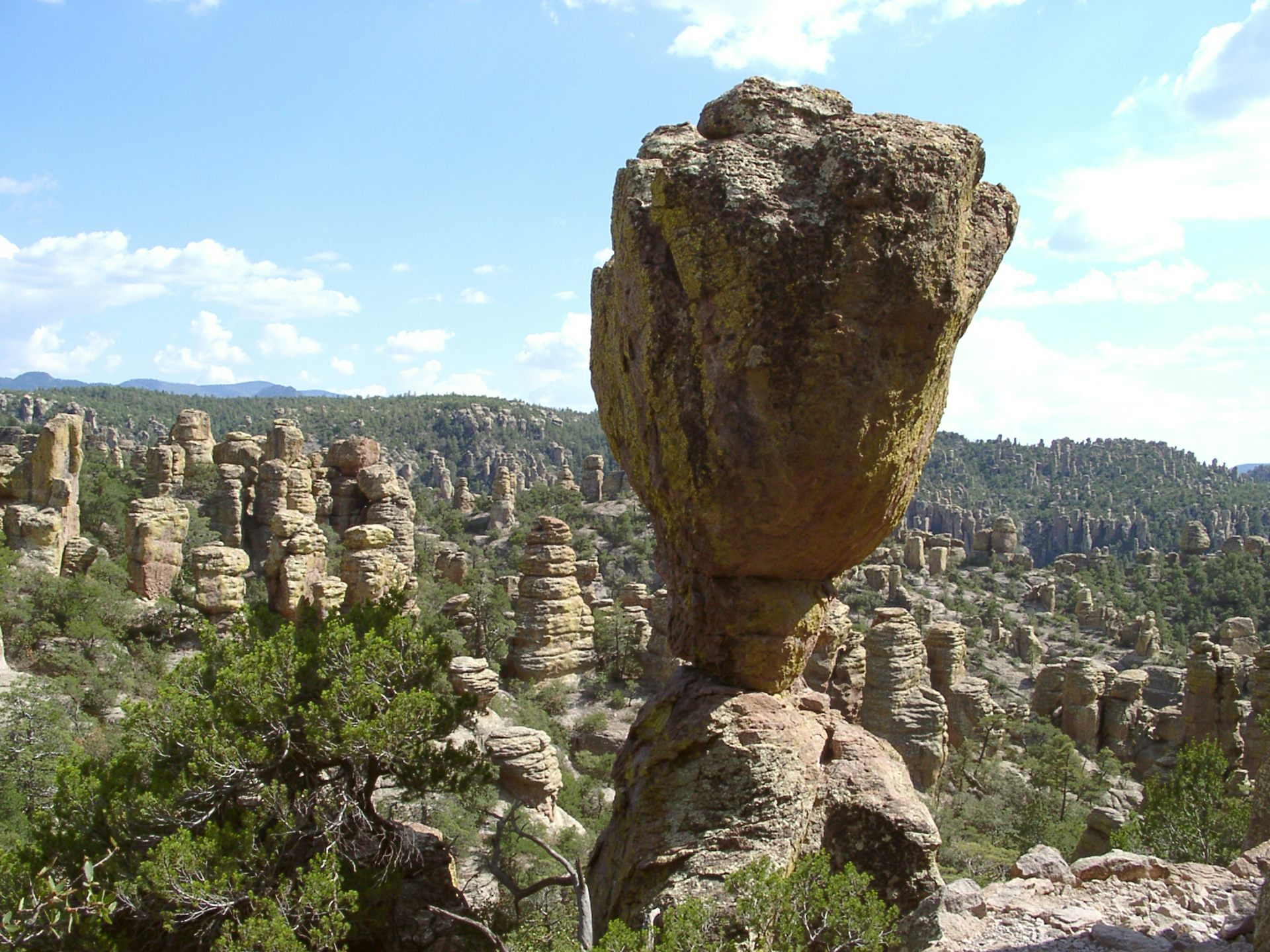
Chiricahua is the nation’s newest national park – what does that mean?
What comes next for Chiricahua, now that is has been officially redesignated as America’s 64th national…

An AI model’s false tip to Philadelphia police reveals how digital agents can do as they’re told and
An expert on AI governance explains why these rare mistakes may soon be common, and with much higher…