
EPA says repealing power plant emissions rules will save billions – but its estimate leaves out heal
Keeping aging coal plants open, building new gas plants and choices about pollution controls affect electricity bills. Pollution adds health costs and climate damage that may not appear on those bills.

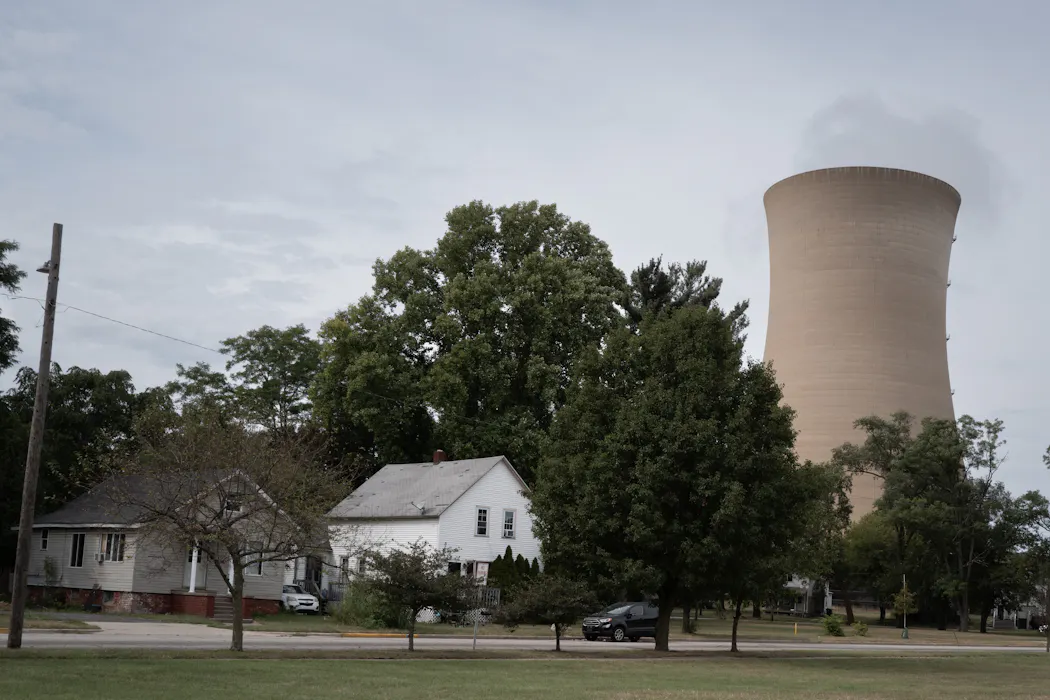
The Trump administration is repealing federal rules that limit greenhouse gas emissions from coal- and gas-fired power plants.
It says the changes will make electricity cheaper for Americans. What consumers pay will depend partly on the cost of keeping older plants running compared with building and operating new ones. Even if the changes make electricity cheaper, the administration’s headline savings estimate leaves out the health and climate costs of additional pollution.
The Environmental Protection Agency also repealed emissions standards for equipment to capture and store carbon dioxide at coal-fired plants undergoing major modifications and for new gas-fired turbines that run frequently. That equipment keeps much of the carbon dioxide emitted from burning coal and gas out of the atmosphere, where it would contribute to climate change.
The agency is trying to prevent future administrations from restoring the previous rules, by arguing that Section 111 of the Clean Air Act does not authorize the agency to regulate power plant greenhouse gas emissions to address climate change.
As an economist who studies energy and the environment, I look beyond the direct compliance costs of meeting emissions limits to assess the full costs and benefits to Americans. Keeping aging coal plants open, building new natural gas plants and choices about pollution controls each affect electricity bills. Additional pollution also brings health costs and climate damage that may not appear on those bills.
The basic economics of meeting rising electricity demand
As data centers, electrification and other uses drive up electricity demand, electricity suppliers face decisions about how long to operate existing coal plants and when to invest in new generating capacity.
In an outlook issued in April 2026, the U.S. Energy Information Administration projected that power companies would continue retiring coal plants and building new natural gas plants, even if the greenhouse gas rules were repealed.
Keeping aging coal plants operating can help meet power demand while new projects are built, but coal plants can cost more to operate than gas-fired plants – especially when comparing older coal plants with new gas plants. The trade-off between delaying retirement and building new plants depends on fuel prices, plant efficiency and maintenance needs.
Repealing the emissions limits aimed at fighting climate change, and removing the requirement to capture and store carbon dioxide, can make both continued coal operation and new gas plant construction more financially attractive by reducing the cost of controlling greenhouse gas emissions. But if future administrations change the rules, retrofitting those plants later could cost even more than installing this equipment during construction.
Which plants remain open, which plants get built and whether new plants include pollution control equipment at the outset will affect Americans’ electricity bills.

Old and costly
Keeping old coal plants open isn’t necessarily a money saver.
The J.H. Campbell coal plant, on the eastern shore of Lake Michigan, provides a concrete example. Its owner, Consumers Energy, had planned to retire its last coal plant on May 31, 2025. The company’s approved plan included purchasing a natural gas plant and expanding solar generation. Consumers Energy estimated that the broader plan would save customers US$600 million through 2040 compared with its previous plan.
But just days before the planned shutdown, the U.S. Department of Energy ordered Consumers Energy to keep the coal plant running, saying that retiring the plant would threaten the grid’s ability to meet electricity demand without interruptions. The department has repeatedly extended that order, most recently through Nov. 14, 2026. The Campbell coal plant is just one of several across the nation that the Trump administration has forced to remain operational after their owners had planned to shut them down. These orders are separate from the EPA’s emissions-rule repeal.
Michigan, Illinois and Minnesota, supported by environmental groups, challenged the orders keeping the plant running. On Sept. 11, 2026, a federal appeals court struck down the initial order. However, Consumers Energy said it would continue operating under a later order, which extends through Nov. 14. Challenges to the later orders remain pending.
The costs of keeping the plant going have recently become clear – as has who might be asked to foot the bill.
In its latest quarterly financial filing, Consumers Energy reported the net cost of keeping the Campbell plant running from May 2025 through June 2026 was $259 million – an amount above and beyond the $239 million in revenues it earned in the electricity market.
Consumers Energy has asked the Federal Energy Regulatory Commission to let it pass those costs on to customers across the Midwest – including people who get their power from other utility companies. How much the company could collect, and how the costs would be divided, remains disputed.
Measuring affordability
To defend its repeal of pollution limits, the EPA has estimated economy-wide cost savings of $310 billion from 2026 to 2047. The projected savings come from avoiding spending on carbon capture and storage, allowing efficient new gas-fueled plants to run more often without capturing their carbon dioxide emissions, and keeping more coal plants open so fewer new plants need to be built.
The agency projects that national average electricity prices across homes and businesses will be 5.8% lower in 2035 without the limits than they would be if the rules remained in place. For a home or business that uses 1,000 kilowatt-hours of electricity a month, that could mean power bills roughly $8 a month lower with these changes than if current rules weren’t repealed.

Pollution costs
Electricity bills capture only part of the costs Americans bear. Local air pollution harms human health and worker productivity, while greenhouse gas emissions contribute to climate change. Those costs aren’t considered in the EPA’s $310 billion savings estimate.
Burning fossil fuels releases pollutants that form fine particles and ground-level ozone, increasing risks of heart and lung disease and premature death. Families face poorer health, medical expenses and the costs of missed work and school.
Greenhouse gas emissions contribute to climate change by increasing the concentration of heat-trapping gases in the atmosphere. The Fifth National Climate Assessment, published in November 2023, documents risks to health, infrastructure and agricultural productivity. Families experience these through heat-caused illness, damaged homes and lost earnings.
Carbon emissions standards can reduce conventional air pollution as well as greenhouse gases when they shift production away from coal. In its 2025 analysis of the proposed repeal, the EPA estimated that the additional illnesses and premature deaths from fine particle and ozone pollution exposure due to the repeal would cost $130 billion from 2026 to 2047. That figure includes the monetized costs of the increased risks of premature death as well as medical expenses from additional illnesses.
The headline $310 billion savings estimate from EPA’s 2026 analysis excludes air pollution and climate costs, though it does estimate how the repeal would change power plant emissions and air quality. It projects higher carbon dioxide emissions and, by 2035, higher fine particle and ozone levels across much of the eastern U.S. than if the standards remained in place. But it does not assign a dollar value to the resulting health costs or climate damage and ultimately does not include those costs as part of its headline benefit-cost estimate.
Widespread effects
These rule changes could have nationwide and even global effects, including discouraging U.S. investment in technologies that can capture carbon dioxide from industries and the air and store it safely.
Alabama’s National Carbon Capture Center has tested technologies from developers in several countries. If the U.S. stops innovating, that would weaken global efforts to cut emissions cost-effectively.
The repeal’s effect on power companies’ present-day decisions – which plants to continue to operate, what to build and with what pollution controls built in – affects the electricity prices consumers pay now and over the coming decades. To get a full picture of the effects of the repeal, any savings on electricity bills must be weighed against the costs of additional illness, premature deaths and lost productivity from increased local air pollution exposure; the climate damage from increases in greenhouse gas emissions; and the foregone global benefits from innovations in pollution control technology.
Akshaya Jha does not work for, consult, own shares in or receive funding from any company or organization that would benefit from this article, and has disclosed no relevant affiliations beyond their academic appointment.
Read These Next

Guilfoyle resigns as ambassador to Greece – adding to the global vacancies sapping US embassies
Ninety-two out of 196 U.S. ambassador jobs are currently unfilled. That includes countries that are…

Americans are stressed about grocery prices, so why do they toss or overlook so much ‘misfit’ food?
Quality, rather than discounts or environmental benefits, is what’s needed to encourage shoppers to…

Today’s irreverent politics ignore ancient wisdom: The need to know your limits
Many Americans have decried today’s politics as ‘shameless.’ The antidote, a political philosopher…