‘Affordable’ Pittsburgh doesn’t have enough affordable housing – here’s why
For a quarter of its residents, Pittsburgh isn’t an affordable place to live. A contested housing policy is at the center of efforts to change that.

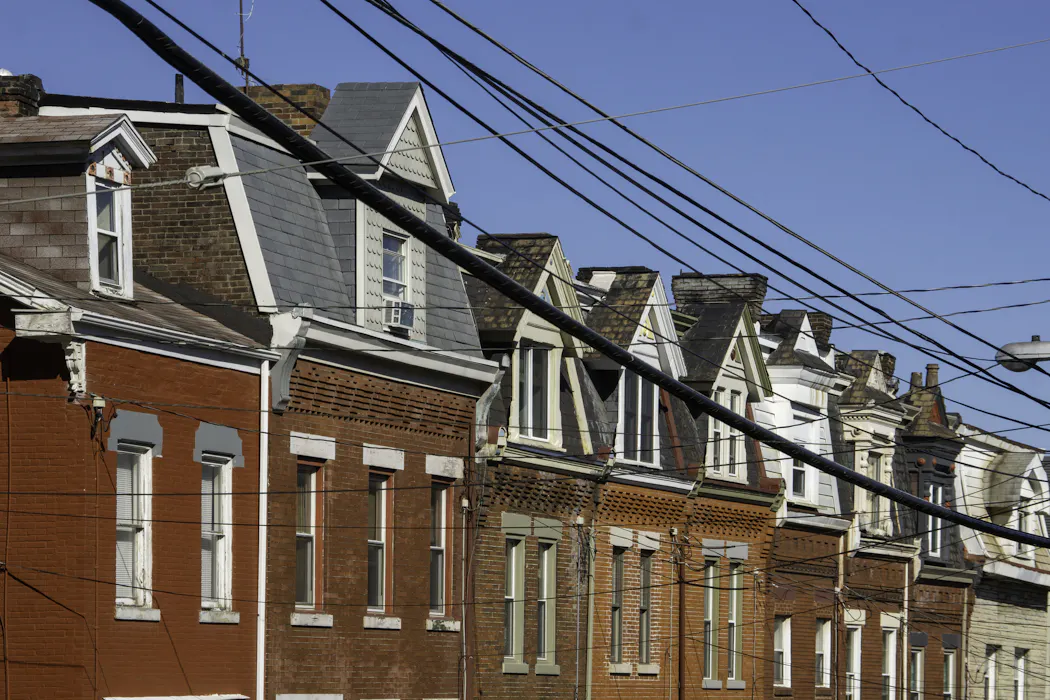
Pittsburgh is widely regarded as a relatively affordable place to live. Overall, housing and living costs remain below national averages for midsize cities in the United States.
Along with low home prices, Pittsburgh offers stable employment rates and close proximity to leading universities and high-quality hospitals.
However, data from a March 2026 survey shows that a single adult needs to earn about $95,000 to live comfortably in Pittsburgh. This is well above the city’s median household income of $67,000. A family of four needs nearly $239,000.
My peer‑reviewed work examines how housing affordability affects a community’s health. It also documents how well policy holds up over time in terms of affordable housing efforts.
Inclusionary zoning explained
Inclusionary zoning requires developers to reserve a portion of new housing units for lower-income residents at below-market rents. A city might require, for example, that a new residential complex reserve or set aside 10% of units for households that earn 80% or less of the area median income.
Also referred to as a “mandatory set-aside,” inclusionary zoning is often done in exchange for developer incentives, such as density bonuses, which allow developers to build additional units. Other incentives could be expedited permitting or relaxed parking minimums, allowing developers to build fewer parking spaces than normally required.
In 2025, Pittsburgh adopted the Affordable Housing Bonus Program, a largely voluntary, incentive-based policy that applies inclusionary zoning requirements only within designated overlay districts. An overlay district is an extra layer of rules that apply to a specific area on top of the neighborhood’s regular zoning rules – such as a special zone within a zone.
The goal is to encourage developers to include a percentage of affordable units within specific geographic areas, such as Lawrenceville, Bloomfield, Polish Hill and parts of Oakland. The Affordable Housing Bonus Program emerged after legal challenges and public opposition derailed inclusionary zoning citywide.
The Affordable Housing Bonus Program is now being tested by a University of Pittsburgh student housing project called The Caroline at University Commons. University Commons is situated in Pittsburgh’s Oakland neighborhood, an inclusionary zoning overlay district. However, the developer, Walnut Capital, is seeking to exempt the project from inclusionary zoning overlay requirements altogether. This would reduce the number of affordable units set aside from 16 to 0. Walnut Capital believes it’s exempt from inclusionary zoning because it meets all other bonus requirements.
Short on homes, split on solutions
The fragility of the Affordable Housing Bonus Program matters not only for the neighborhoods that it affects but for what it reveals about Pittsburgh’s housing affordability.
Pittsburgh faces a persistent shortage of affordable housing. This is especially true for extremely low-income residents, or those who earn less than 30% of an area’s median income. That’s roughly one-quarter of all Pittsburgh residents.
Local estimates from The Pittsburgh Foundation show a deficit of more than 11,000 affordable units for residents at the lowest income levels. This shortage leaves many of these renters cost-burdened and vulnerable to eviction.
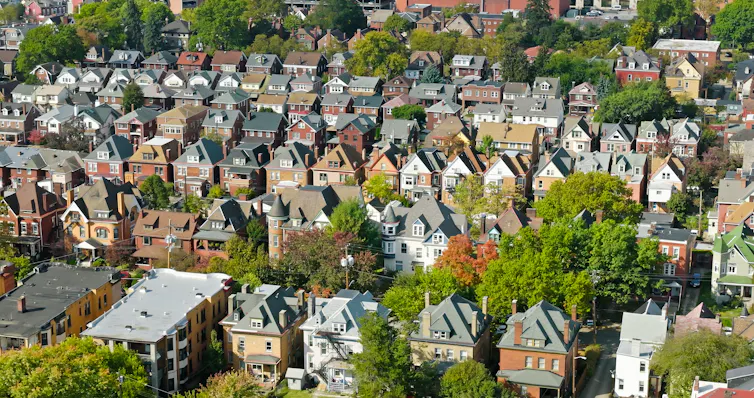
The debate about inclusionary zoning in Pittsburgh is heated. Among advocates, community organizations and some policymakers, it’s seen as an effective policy lever. They say it keeps neighborhoods affordable and diverse while giving residents a voice in how their neighborhoods change.
Conversely, developers and some policymakers argue that inclusionary zoning can reduce new construction and lead to higher rents overall. They also warn it can undermine equity goals by slowing housing production or concentrating affordable units in just a few areas.
Why Pittsburgh struggles to provide affordable housing
Pittsburgh’s housing challenges stem from a combination of rising construction and administrative costs; dependency on fragmented financing structures; housing market shifts and demographic change; a constrained tax base and a complex zoning and permitting system.
These supply-side challenges are compounded by demand-side barriers. In 2025, Pittsburgh added “housing status” as a protected class to prevent discrimination against the unhoused population, those with disabilities, and families fleeing domestic violence. But widespread landlord refusal of Section 8 vouchers shows how affordability policies can fall apart without real enforcement. The Affordable Housing Bonus Program similarly faces compliance problems.

Pittsburgh’s housing crisis is a health crisis
Pittsburgh’s uncertain housing affordability policies have far-reaching implications for public health, equity and neighborhood stability.
Research shows 2 in 5 Pittsburgh renters spend more than 30% of their income on housing, and 1 in 4 spend over half. This increases eviction risk and housing instability, with cascading health effects, such as hypertension, cardiovascular disease, anxiety and depression.
Housing burdens can also force people to make trade-offs between housing and health care, medications, nutritious food or transportation.
Displacement and aging, poorly maintained housing stock compound these problems, making Pittsburgh’s affordable housing crisis a public health crisis as much as a housing one.
Pittsburgh’s path forward
No single policy can resolve Pittsburgh’s housing challenges. But the city has taken meaningful steps.
Since the city budget was approved in March 2026, Pittsburgh has streamlined its permitting processes, increased local funding commitments for community investments and strengthened support for nonprofit developers and community organizations.
Treating housing affordability as a serious policy priority will require more innovation, not only in regulation and financing, but in how policies are evaluated, adapted and sustained over time.
Selena E. Ortiz receives funding from the Robert Wood Johnson Foundation.
Read These Next

Surviving cancer starts at diagnosis and continues after treatment – earlier survivorship care can h
Cancer survivorship is often thought to begin after a patient receives their last treatment. But planning…

Chiricahua is the nation’s newest national park – what does that mean?
What comes next for Chiricahua, now that is has been officially redesignated as America’s 64th national…

Offering cash for votes is quite common – but here’s why it doesn’t work
Money or other material benefits are often not enough to override a voter’s preferences and partisanship.