Agricultural work is dangerous – but good communication can save lives in Colorado
Agricultural workers are six times more likely to die on the job than the average American worker.

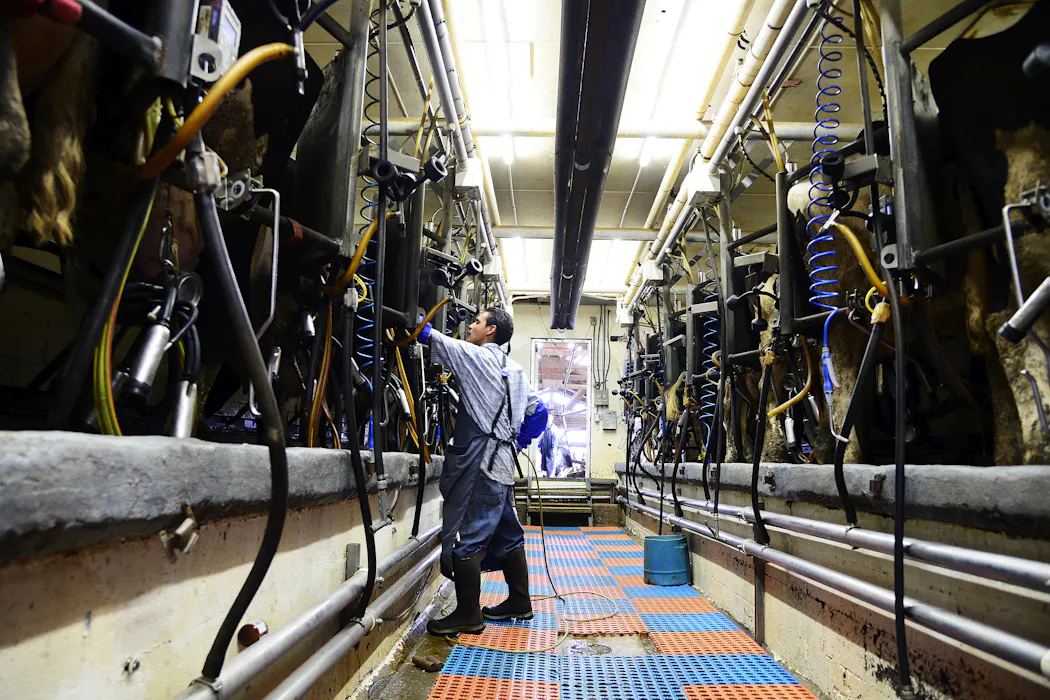
Six people, including one teenager, died at a dairy farm in Keenesburg, Colorado, 35 miles northeast of Denver, on Aug. 20, 2025.
Four of the deceased were from the same extended family. The coroner’s report confirmed they died from hydrogen sulfide exposure after a manure pipe disconnected in an enclosed pump room.
After an investigation, the Occupational Safety and Health Administration cited three companies present at the worksite for failures in training, hazard communication and worker protection.
Tight-knit families and rural communities across northern Colorado mourned the deaths. Community events were organized to benefit the families.
The OSHA citations highlight a broader and common challenge in agricultural workplaces: clear communication and training. Agricultural workers may not have adequate information about the hazards they face. They may not be trained to recognize those hazards and may not feel comfortable reporting unsafe conditions for fear of losing their jobs. They may also lack clear protocols when things go wrong.
We work at the High Plains Intermountain Center for Agricultural Health and Safety at Colorado State University. For more than 35 years, our multidisciplinary team of researchers, educators and safety specialists has been working on agricultural safety – including traumatic injuries and improving safety and health.
Dangers of agricultural work
Farming is among the most essential and most dangerous jobs in the U.S.
The agriculture, forestry and fishing sector has one of the highest fatal workplace injury rates. In 2024, there were 20.9 deaths for every 100,000 full-time agricultural workers, compared with 3.3 per 100,000 across all other industries. Agricultural workers are more than six times more likely to die on the job than the average American worker.
The risks in agriculture are wide-ranging and complex. They include hazards from grain storage and silos, chemical exposure and loud and heavy machinery. Agricultural workers also face dangers from animal handling, extreme weather and physically demanding labor, often in isolated settings with limited access to medical care.
Making agricultural work safer
Since the deaths in Keenesburg, we have heard from many farmers, ranchers and dairy operators looking for information on how to keep their workplaces safe.
Our team is working with faculty members at Colorado State University to develop and deliver a confined spaces safety training program for dairy and beef producers in Colorado. This work, funded by the OSHA Susan Harwood Training Grant Program, will educate farm supervisors and workers to follow protocols before entering any confined space on a farm. Those spaces, like the pump room in Keenesburg, have limited or restricted ability for workers to enter or exit and poor ventilation.
Safe workplaces are built by leaders who prioritize safety, model safe behavior and create environments where workers feel empowered to raise concerns or stop work. Research and training have led to a better safety climate on dairy farms through the development and delivery of training modules. Other work has documented best practices for designing safety training for dairy workers.

We provide grant funds for community-initiated projects to address concerns specific for the region. We also offer a repository of resources so producers can learn about safety in ways that fit their circumstances.
Colorado has new regulations mandating training to prevent heat-related illnesses among agricultural workers. Our center offers free workshops for farm owners, managers, supervisors, crew leaders, human resource professionals and safety experts to learn how to conduct heat illness prevention training for their employees.
There’s more to do
The Keenesburg deaths were not an isolated event. On-the-job fatalities are a recurring pattern in agriculture.
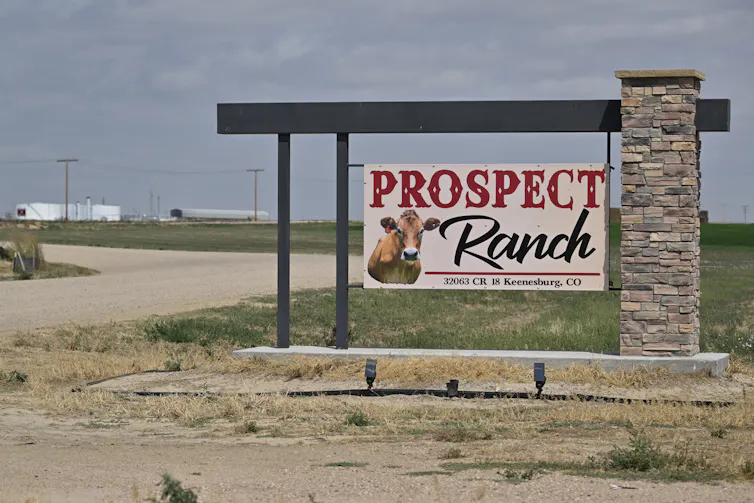
Worksites that include people employed by different contractors, such as the situation on the dairy farm in Keenesburg, require extra coordination. In these settings, making sure everyone, regardless of who signs their paycheck, receives the same safety information and training is critical.
Research suggests that the true number of agricultural injuries and deaths may be undercounted. Improving how injuries are tracked and reported helps direct resources, training and innovative solutions where they are needed most.
Agricultural workers contribute to food, fiber and fuel production. They often work long hours in challenging conditions and sometimes lack the same level of safety infrastructure present in other industries. Attention to how risks are identified, communicated and managed in agricultural workplaces can save lives.
Read more of our stories about Colorado.
Morgan Valley receives funding from the National Institute for Occupational Safety and Health and the Western Extension Risk Management Education Center. She is affiliated with the Association for University Programs in Occupational Health and Safety.
Lorann Stallones receives funding from the National Institute for Occupational Safety and Health, the United States Department of Agricultural, and the Trefler Foundation.
Read These Next

Offering cash for votes is quite common – but here’s why it doesn’t work
Money or other material benefits are often not enough to override a voter’s preferences and partisanship.
What the failed attack on an Illinois temple reveals about anti-Hindu hate in the United States
Hostility toward Hindu worship practices draws on a long history of prejudice portraying the faith’s…

Japan’s expensive funerals and declining birth rates are transforming ancestral traditions
With fewer people to care for their ancestors’ graves, many in Japan are looking for innovative solutions.