Understanding the emoji of solidarity
New research discovered how people use emoji to express their concern and support during tragedies and disasters.

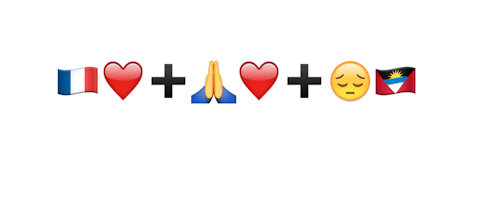
When disaster or tragedy strikes, people far away are touched and want to help – but really can’t do much. Often the first thing distant observers do is take to social media to send their thoughts, prayers, support and good wishes for survivors, rescue workers and others affected. And a lot of times, those online posts involve emoji – as well as hashtags in the poster’s own language, and other languages.
First created in the late 1990s, emoji became prominent worldwide in 2015 when the Oxford Dictionaries named the “face with tears of joy” emoji
Read These Next

Supreme Court preserves access to mifepristone via telehealth – at least for now
The court’s decision sends the mifepristone case back to a lower court, which has signaled that it…

Is baby talk bad? Why ‘parentese’ actually helps babies learn language
Exaggerating phrases and talking in a sing-song way can actually help, not make it harder, for young…

Most people don’t know what they don’t know, but think they do – correcting your metaknowledge can m
Do you actually know how a bicycle or a zipper work, or what a penny or a common brand logo look like?…